Enhancing Your Garden Design with the Poppy anemone Plant: A Landscaping Guide
1
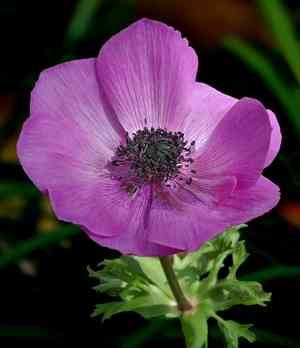
Poppy anemones display a range of bright hues, bringing aesthetic charm to any outdoor space.
2
Selecting an appropriate location for Poppy anemones requires assessing light exposure and ground quality.
3
Given suitable seasonal attention, Poppy anemones will flourish and beautify your garden all year long.
Introducing Poppy Anemone in Garden Design
Explore the vivid hues and shapes of Poppy Anemone.
Poppy anemone offers a spectacular range of intense colorsâfrom deep crimson to soft rose and pure whiteâmaking it a versatile option for any garden. Their striking flower forms can create a powerful visual impact, especially when planted in groups or used as focal points in your landscape. Whether you aim to add a splash of color to a monochrome garden or complement existing bright shades, Poppy anemone provides a floral richness that's hard to surpass.
Understanding Poppy Anemone's seasonal influence on garden aesthetics.
The seasonal nature of Poppy anemone provides an evolving display that can enhance your garden throughout various times of the year. Typically blooming in spring, these flowers can revitalize your garden's appearance after the winter months. As seasons change, Poppy anemone's foliage continues to offer texture and interest, even after the blossoms have faded. This cyclical presence ensures your garden remains captivating year-round.
Choosing the Ideal Location for Poppy Anemone
Assess sun exposure and shaded areas suitable for Poppy Anemone.
Poppy anemone flourishes best in spots receiving full sun to partial shade. For optimal growth, identify areas in your garden that get at least six hours of direct sunlight daily. However, excessive intense afternoon sun can be harmful, so locations with filtered light or partial afternoon shade are perfect. This balance helps produce the most vibrant blooms and maintains plant health.
Soil requirements for optimal growth.
Soil quality is vital for successful Poppy anemone cultivation. These plants prefer well-draining soil with a sandy or loamy texture. Avoid heavy clay soils, as they retain too much moisture and can lead to root rot. Amending your garden soil with organic compost can improve drainage and fertility, supplying the necessary nutrients for vigorous growth. Regular soil testing can also help maintain the correct pH levels, ideally between 6.0 and 7.0.
Integrating Poppy Anemone into Various Landscape Styles
Enhancing formal gardens with Poppy Anemone's elegance.
In formal gardens, Poppy anemone can impart a touch of sophistication and structured beauty. These gardens typically feature symmetrical designs and meticulously maintained spaces, where Poppy anemone's organized blooms fit perfectly. Consider using Poppy anemone in geometric patterns or as border plants along pathways. Their consistent height and blooming nature can elevate the refined aesthetic associated with formal landscaping.
Utilizing Poppy Anemone in informal, cottage-style settings.
For a more relaxed, cottage-style garden, Poppy anemone offers a charming and whimsical touch. This landscaping approach embraces a variety of plants in a seemingly random arrangement, which Poppy anemone's natural and abundant blooms complement beautifully. Placing clusters of Poppy anemone among other perennials and annuals can create a delightful mosaic of colors and textures, embodying the free-spirited essence of a cottage garden.
Companion Planting with Poppy Anemone
Identify plants that complement Poppy Anemone in color, texture, and growth needs.
When planning companion planting, consider plants that share similar growing conditions with Poppy anemone yet offer contrasting textures and complementary colors. For instance, pairing Poppy anemone with ornamental grasses or low-growing evergreens can create a visually appealing blend. Additionally, plants like pansies or violas, which bloom simultaneously, can enhance your garden's overall palette.
Benefits of biodiversity through proper companion planting.
Plant diversity not only boosts your garden's visual appeal but also fosters a healthier ecosystem. Companion planting with Poppy anemone can attract beneficial insects that assist in pollination and pest control. A diverse plant environment can also reduce the risk of disease spread, ensuring a more resilient and sustainable garden. By thoughtfully combining Poppy anemone with other compatible plants, you create a balanced and thriving garden ecosystem.
Seasonal Care and Management for Poppy Anemone
Preparing Poppy Anemone for vibrant spring blooms.
To ensure Poppy anemone bursts into bloom in spring, preparatory steps must be taken in the preceding months. Plant bulbs in the fall, ensuring they are placed in well-drained soil and receive adequate sunlight. Mulching around the plants can help protect them from harsh winter temperatures and preserve soil moisture. As spring approaches, gradually remove mulch to allow new shoots to emerge.
Post-bloom care: What to do after the flowering season ends.
After Poppy anemone has finished its flowering phase, it's important to provide proper care to ensure its vitality for the next growing season. Deadheading spent flowers encourages the plant to invest energy in strengthening its roots rather than seed production. Continue watering the plant until the foliage begins to yellow and die back naturally, signaling that it's entering dormancy. At this point, you may trim back the foliage and prepare the ground for future planting.
Creative Uses of Poppy Anemone in Landscaping
Designing pathways and borders using Poppy Anemone.
Poppy anemone can be strategically used to enhance garden pathways and borders, creating a seamless flow of color that guides visitors through your landscape. Plant Poppy anemone along the edges of walkways or driveways to create a vibrant and inviting entrance. Their compact size and lush blooms provide a natural border that can define spaces and add structure to your garden layout.
Innovative ideas for incorporating Poppy Anemone in urban and small spaces.
Urban and small spaces present unique challenges for gardeners, but Poppy anemone can thrive in these environments with innovative planting ideas. Consider using Poppy anemone in container gardening, where they can be easily moved and managed. Vertical gardening techniques, such as wall-mounted planters or tiered plant stands, can also allow Poppy anemone to flourish in confined spaces. By creatively utilizing available space, you can enjoy the beauty of Poppy anemone even in the smallest gardens.



