Enhancing Your Garden Design with the Western serviceberry Plant: A Landscaping Guide
1
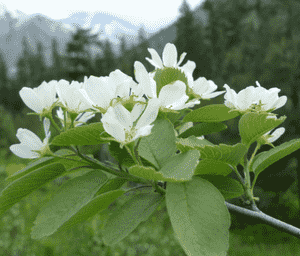
Western serviceberry is celebrated for its beautiful changes throughout the year.
2
Ideal positioning for Western serviceberry takes into account both light exposure and ground quality.
3
Adding Western serviceberry to your garden can draw in diverse creatures, such as avian species and beneficial insects.
Introducing Western Serviceberry to Your Landscape
An overview of Western serviceberry and its visual appeal
For improving your outdoor space, Western serviceberry offers significant aesthetic charm. As a deciduous woody plant, it features various attributes that can invigorate any garden. In spring, its blossoms create a stunning display of white flowers, while its summer foliage provides a rich green backdrop. By autumn, the leaves turn a brilliant yellow, and its berries add a splash of color until winter. The multi-season interest that Western serviceberry provides makes it a versatile and highly valued plant in ornamental gardening.
The rising popularity of Western serviceberry in contemporary garden design
The popularity of Western serviceberry in modern landscaping has been increasing, partly due to its minimal upkeep and environmental advantages. Many gardening enthusiasts appreciate Western serviceberry for its robust qualities, as it can flourish in diverse soil types and light conditions. Furthermore, its capacity to support local wildlife and enhance biodiversity aligns it with current trends towards sustainable and eco-friendly gardening.
Ideal Placement of Western Serviceberry in Garden Designs
Considering light exposure and soil conditions
When deciding where to position Western serviceberry in your garden, sunlight and soil conditions are crucial factors. Western serviceberry thrives in full sun to partial shade, requiring at least six hours of daily sunlight. Well-drained soil is also essential, though Western serviceberry adapts well to various soil types. Meeting these conditions will help Western serviceberry flourish and display its best visual qualities.
Integrating Western serviceberry with other plants in the design
Incorporating Western serviceberry into your garden layout demands careful integration with other plants. Its height, which can range from 3 to 16 feet, should be considered when planning garden tiers and layers. Combine Western serviceberry with smaller shrubs, perennials, and ground covers to create a harmonious and layered effect. This balance not only enhances the visual appeal but also ensures that all plants receive adequate light and space.
Seasonal Aspects of Western Serviceberry
Spring and summer flowering period
During the spring to early summer flowering period, Western serviceberry displays delicate white flowers arranged in clusters. This blooming phase not only adds beauty to your garden but also attracts pollinators like bees and butterflies. Proper care during this period, such as regular watering and light pruning, ensures vigorous growth and an extended blooming season.
Autumn color change and winter form
As fall approaches, Western serviceberry undergoes a stunning transformation. The leaves turn a vibrant shade of yellow, and the berries mature, providing visual interest and food for birds. Even in winter, Western serviceberry maintains a structural presence with its bare branches and unique silhouette, ensuring your garden looks captivating year-round. To enhance its winter appeal, consider planting Western serviceberry alongside evergreens or shrubs with interesting bark.
Companion Plants for Western Serviceberry
Choosing shrubs and flowers that complement it well
Selecting the right companion plants for Western serviceberry can enhance its beauty and the overall garden design. Some excellent choices include native shrubs, perennials, and ground covers that thrive in similar soil and light conditions. Flowers like coneflowers, black-eyed Susans, and lavender provide complementary colors and attract pollinators to the garden.
Creating contrasts in color and texture
Creating color and texture contrasts is essential for a visually appealing landscape. Pairing Western serviceberry with plants that have different leaf shapes, sizes, and colors can create a dynamic and interesting garden. For instance, the fine texture of Western serviceberry’s leaves contrasts beautifully with the broader leaves of hostas or the spiky foliage of ornamental grasses. Adding a mix of flowering plants that bloom at different times ensures continuous interest throughout the growing season.
Ecological Advantages of Adding Western Serviceberry to Your Yard
Attracting wildlife - birds and pollinators
One of the significant ecological benefits of incorporating Western serviceberry into your landscape is its ability to attract wildlife. Its flowers provide nectar for pollinators such as bees and butterflies, while its berries feed various bird species. This not only enhances the biodiversity of your garden but also supports local ecosystems.
Contributing to local ecology and biodiversity
Western serviceberry is a native plant in many regions, which means it plays a critical role in local ecosystems. By planting Western serviceberry, you contribute to maintaining the ecological balance, supporting local flora and fauna, and enhancing the biodiversity in your garden. Additionally, native plants like Western serviceberry are often more resilient to local pests and diseases, reducing the need for chemical interventions and promoting a healthier environment.



