Enhancing Your Garden Design with the Belladonna lily Plant: A Landscaping Guide
1
Belladonna lily flourishes in soil that drains effectively and in areas with ample sunlight.
2
Place Belladonna lily bulbs into the ground during autumn to achieve a spectacular summer flowering.
3
Belladonna lily requires minimal care, making it ideal for those new to gardening.
Appreciating the Visual Charm of Belladonna Lily
Highlighting the Distinctive Flower Characteristics
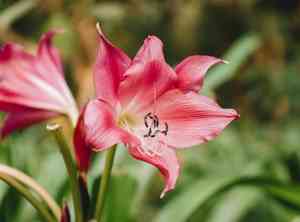
Belladonna lily is celebrated for its impressive, trumpet-shaped blossoms that bring sophistication to any garden. These flowers showcase a range of delicate petals that spread out to form a bold and unique shape. Their visual appeal stems from their ability to stand tall and remain prominent, even among other plants, making them a focal point in landscape designs.
Color Variations and Their Aesthetic Impact
The flowers of Belladonna lily appear in various shades including pink, white, and red, each offering a distinct visual effect on your landscape. The pink varieties can impart a soft and romantic feel, while the vibrant reds deliver a lively burst of color. The white variations provide a clean and crisp look, perfect for creating contrast or enhancing the simplicity of contemporary garden designs.
Seasonal Flowering Patterns of Belladonna Lily
Belladonna lily primarily flowers in late summer, offering a splash of color when many other plants have finished blooming. This seasonal cycle ensures your garden stays vibrant and engaging throughout the season. The timing of their bloom can be strategically used to extend visual interest in your garden well into the colder months.
Optimal Placement of Belladonna Lily in Garden Settings
Selecting the Right Location: Sun and Shade Requirements
Belladonna lily thrives in spots that receive full sun to partial shade. It's crucial to choose a location where the plant can absorb at least six hours of sunlight daily to encourage vigorous growth and flowering. When selecting the site, ensure the soil drains well as Belladonna lily dislikes soggy conditions.
Companion Plants: What Complements Belladonna Lily?
Belladonna lily pairs beautifully with various other plants. Consider planting it alongside ornamental grasses or ground covers that allow the blooms to stand out. It can also be combined with other bulbous plants like daffodils and tulips, which can create a layered flowering display throughout the year.
Influence of Placement on Growth and Bloom
The positioning of Belladonna lily in your landscape directly affects its growth and flowering performance. Placing it in a sunny, well-drained spot will ensure healthy development and vibrant blooms. Proper spacing is also essential, as overcrowding can lead to reduced air circulation and increased vulnerability to pests and diseases.
Landscaping Styles That Incorporate Belladonna Lily
Formal Gardens: Enhancing Structured Layouts
Belladonna lily can be a wonderful addition to formal gardens, where its structured blooms complement geometric layouts and symmetrical designs. Plant them in rows or clusters to create defined borders or focal points that align with the formal aesthetic of your garden.
Cottage Gardens: Achieving a Lush, Welcoming Atmosphere
In cottage gardens, Belladonna lily contributes to a lush and charming ambiance. Its blooms add depth and variety amidst the mix of colorful and fragrant plants, creating an inviting, whimsical space. Scatter them throughout the garden beds to achieve a natural, free-flowing appearance.
Modern Landscapes: Utilizing Belladonna Lily for Minimalist Designs
Belladonna lily fits perfectly into modern landscapes, often characterized by simplicity and minimalism. Its striking blooms can serve as a statement piece in otherwise understated garden beds. Use them to create clean lines and focal points that enhance the minimalist approach.
Seasonal Care Advice for Belladonna Lily in Gardens
Spring and Summer Maintenance Needs
During spring and summer, Belladonna lily requires consistent watering, especially during dry periods, to keep the soil moist but not waterlogged. Applying a balanced fertilizer in early spring can promote robust growth. Removing spent flowers will encourage continuous blooming and maintain the plant's appearance.
Preparing Belladonna Lily for Autumn and Winter
As autumn approaches, reduce watering to allow the plant to enter dormancy. In regions with mild winters, Belladonna lily can generally remain in the ground. However, in colder climates, it's advisable to lift and store the bulbs in a cool, dry place to protect them from frost. Mulching can also offer additional protection if left in the ground.



