Enhancing Your Garden Design with the Prince's feather Plant: A Landscaping Guide
1
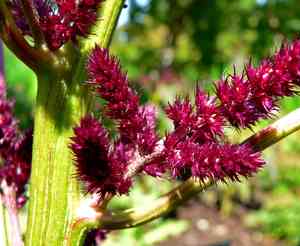
Prince's feather is recognized for its impressive look, capable of bringing a distinct aesthetic charm to any garden.
2
Cultivating Prince's feather is quite straightforward, as it flourishes in soil that drains well and receives ample sunlight.
3
Prince's feather can be an essential component of garden designs, complementing diverse flora and boosting ecological variety.
Introducing Prince's feather to Your Garden
Why Choose Prince's feather for Landscaping?
Selecting Prince's feather for your garden is a superb choice for several reasons. Firstly, Prince's feather is renowned for its vibrant, plume-like flowers, making it a prominent feature in any setting. These blossoms not only offer a stunning visual display but also create a distinct texture that beautifully contrasts with other flora. Furthermore, Prince's feather is relatively easy to maintain, flourishing in well-aerated, well-draining soils. Its drought-tolerant nature ensures it remains a robust option even in challenging conditions. By incorporating Prince's feather, gardeners can introduce a durable and decorative element into their landscapes.
Basic Requirements for Growing Prince's feather
Cultivating Prince's feather in your garden is straightforward if you meet its fundamental needs. This plant prefers full sun, needing roughly six hours of direct sunlight daily. Plant Prince's feather in well-drained soil to prevent waterlogging, which can harm its roots. Adequate spacing is also vital, as it requires room to grow without competition. Watering should be consistent but moderate, ensuring the soil stays moist but not overly saturated. With these conditions met, Prince's feather will thrive and become a vibrant part of your garden.
Designing With Prince's feather in Mind
Incorporating Prince's feather into Garden Themes
Integrating Prince's feather into your garden's design can significantly enhance its overall aesthetic. Prince's feather performs exceptionally well in various garden themes, including both modern and traditional styles. Its unique foliage and vivid blooms make it an excellent focal point for garden beds and borders. For a unified look, consider pairing Prince's feather with plants of differing heights, textures, and colors. This not only highlights Prince's feather's striking appearance but also creates a balanced and appealing landscape.
Complementary Plants for Prince's feather
Companion planting is crucial for showcasing Prince's feather in your garden. This plant pairs beautifully with other species that introduce contrasting textures and colors. For instance, combining Prince's feather with ornamental grasses or groundcovers like creeping thyme can create a dynamic and picturesque garden scene. Additionally, Prince's feather thrives alongside plants such as cosmos or zinnias, which share similar growing requirements and blooming seasons. By selecting complementary plants, gardeners can enhance the visual impact and harmony of their garden.
Seasonal Care Tips for Prince's feather
Spring and Summer Care
During the spring and summer months, Prince's feather demands attentive care to maintain its vibrant health. Begin by ensuring that soil temperatures are consistently warm before planting. As Prince's feather enters its growth phase, it's essential to water it regularly, keeping the soil uniformly moist. Fertilize with a balanced, slow-release fertilizer to support vigorous growth and flowering. Additionally, monitor for pests and diseases, addressing any issues promptly to prevent widespread damage. Regularly removing spent blooms encourages the plant to produce new flowers, extending its blooming period.
Fall and Winter Strategies
Transitioning Prince's feather from the active growing seasons into the colder months requires some strategic care. As autumn approaches, gradually reduce watering to help the plant prepare for dormancy. Mulching around the base of Prince's feather can provide extra insulation against cold temperatures, protecting the roots. In regions with harsh winters, consider covering Prince's feather with a frost cloth or moving potted specimens indoors. Pruning can be minimal during this time, primarily removing any dead or damaged branches to maintain the plant's health and shape.
Visual and Practical Benefits of Prince's feather
Aesthetic Appeal of Prince's feather
Prince's feather significantly boosts the visual appeal of any garden landscape. Its striking, feathery blossoms add a burst of color and a unique texture that captures attention. Prince's feather serves as an excellent focal point, especially when strategically placed within garden beds or along pathways. Its tall, graceful stature can also add vertical interest, making gardens feel more dynamic and layered. Whether used in mass plantings or as a solitary specimen, Prince's feather offers a visually stunning addition that enriches the overall beauty of your garden.
Environmental Benefits of Prince's feather
Beyond its aesthetic appeal, Prince's feather offers several environmental advantages that contribute to a healthier garden ecosystem. It attracts pollinators such as bees and butterflies, aiding in the pollination of nearby plants. The dense foliage of Prince's feather also serves as a habitat for various beneficial insects and birds. Additionally, Prince's feather can help improve soil health by preventing erosion due to its robust root system. Its ability to thrive in diverse conditions makes it a resilient choice for promoting biodiversity and sustainability in your garden.



