Enhancing Your Garden Design with the Love-lies-bleeding Plant: A Landscaping Guide
1
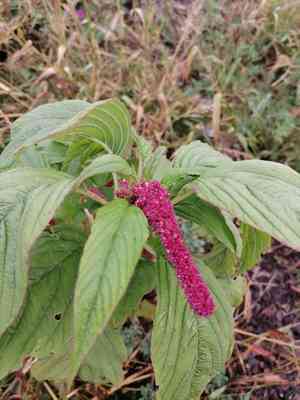
Love-lies-bleeding stands out due to its vivid and distinctive look, enhancing any garden space.
2
This species thrives in diverse weather conditions, providing versatility for cultivators across different areas.
3
Love-lies-bleeding needs little upkeep, making it a great option for both new and seasoned plant enthusiasts.
Why Select Amaranthus caudatus for Your Garden?
Striking and distinctive appearance
Amaranthus caudatus is celebrated for its captivating visuals, featuring cascading flower tassels in shades from deep red to vibrant pink. These intense hues and unique textures can elevate a garden, providing a captivating focal point that draws attention. The dramatic, trailing blossoms not only offer a beautiful display but also attract pollinators like bees and butterflies, bringing life and movement to your outdoor space.
Versatility across various climates
A key attribute of Amaranthus caudatus is its adaptability. It flourishes in diverse climates, from temperate zones to warmer regions. This resilience makes it an excellent option for gardeners encountering different weather patterns throughout the year. Whether your garden enjoys ample sun or experiences light frost, Amaranthus caudatus typically copes well, making it a flexible addition to many garden environments.
Minimal maintenance requirements
For those preferring a relaxed gardening approach, Amaranthus caudatus offers an ideal solution. It demands little care once established, requiring only occasional watering and basic soil upkeep. Its drought-tolerant nature allows you to enjoy its beauty without extensive effort. This low-maintenance quality makes Amaranthus caudatus especially appealing to both busy gardeners and newcomers to the hobby.
Design Concepts Using Amaranthus caudatus in Landscapes
Establishing prominent focal points
Given its distinctive look, Amaranthus caudatus can serve as a magnificent focal point in any garden design. Position it in visible areas where its long, colorful tassels can be fully appreciated. Whether placed centrally in a flower bed or at your garden's entrance, Amaranthus caudatus captures the eye and adds a dramatic flair to your landscape.
Enhancing garden features
Amaranthus caudatus integrates beautifully with other garden elements. Utilize it to boost the visual appeal of pathways, garden seating, and water features. Its flowing form contrasts effectively with more structured garden components, creating a balanced and harmonious design. Planting it alongside sculptures or decorative garden art can also amplify its aesthetic impact.
Edging and background plantings
Another effective application for Amaranthus caudatus is in borders and as background plantings. Due to its height and form, it can create a lush, colorful backdrop for shorter plants. It adds depth and dimension to garden beds, making them appear fuller and more layered. Furthermore, using Amaranthus caudatus in this manner can help define your garden's edges, giving it a well-organized look.
Integrating Amaranthus caudatus with Other Plants
Optimal companion plants for Amaranthus caudatus
When pairing Amaranthus caudatus with other plants, select companions that thrive in similar conditions and complement its appearance. Plants such as marigolds, zinnias, and cosmos are excellent choices as they share similar sunlight and moisture needs. Their varied colors and textures can also enhance your garden's overall appeal, creating a cohesive and pleasing aesthetic.
Color and texture contrast strategies
Introducing contrast in your garden can make Amaranthus caudatus stand out even more. Combine it with plants that possess different textures and colors. For instance, the soft, feathery foliage of ornamental grasses or the bold, solid leaves of hostas can offer a striking visual contrast to Amaranthus caudatus's trailing blooms. Additionally, using plants with white or blue flowers can make the vibrant reds and pinks of Amaranthus caudatus pop, adding drama and interest to your garden.
Balancing plant heights and volumes
Achieving balance is crucial when designing a landscape with Amaranthus caudatus. Consider the heights and sizes of surrounding plants to ensure a harmonious arrangement. Place taller plants at the rear, medium-height plants like Amaranthus caudatus in the middle, and shorter ground cover plants at the front. This layered approach creates depth in your garden. Also, avoid overcrowding plants, which can lead to competition for resources and uneven growth.
Seasonal Care Advice for Amaranthus caudatus
Spring preparation and planting
Spring is the perfect season to plant Amaranthus caudatus. Begin by preparing the soil, ensuring it is well-drained and rich in organic matter. Plant seeds or seedlings after the last frost has passed, spacing them appropriately for growth. Water them consistently until established, and use a balanced fertilizer to give young plants a strong start. Mulching around the plants can help retain soil moisture and deter weeds.
Summer maintenance
During summer, Amaranthus caudatus flourishes with minimal intervention. Ensure it receives regular watering, especially during dry periods, but be careful not to overwater. Applying a slow-release fertilizer can support its vigorous growth. Pruning is generally unnecessary, but you may remove spent blooms to encourage new growth and maintain a neat appearance. Monitor for pests and address any issues promptly to keep the plant healthy.
Managing autumn and winter
As autumn approaches, gradually reduce watering to help prepare Amaranthus caudatus for dormancy. You can collect seeds from mature plants for next year's sowing. In colder climates, consider covering the plant's base with mulch or using frost cloths to protect it from harsh winter weather. If you reside in an area with severe winters, you might dig up the plants and store them in a cool, dry location to replant in spring.
Common Issues and Solutions with Amaranthus caudatus
Pest and disease management
Amaranthus caudatus is generally robust, but it can occasionally be affected by pests like aphids or diseases such as root rot. Watch for signs of infestation or disease, including discolored leaves or stunted growth. Combat pests with natural predators like ladybugs or use neem oil as an organic treatment. Ensure proper drainage and avoid overwatering to prevent fungal infections that can cause root rot.
Addressing excessive growth
As a vigorous grower, Amaranthus caudatus can sometimes become overgrown. To manage this, regularly inspect and trim back excessive growth to maintain the desired shape and size. This practice not only keeps the plant looking tidy but also promotes healthier growth by allowing better air circulation within the plant.
Mitigating climate impacts
Extreme weather conditions can stress Amaranthus caudatus, affecting its growth. During heatwaves, ensure the plant is adequately watered and consider providing temporary shade. In cooler climates, protecting it from frost is essential. Using mulch and row covers can help lessen the impact of cold weather. Always stay informed about the forecast and be ready to take action to shield your plants from extreme conditions.



