Enhancing Your Garden Design with the Saint Martin's lily Plant: A Landscaping Guide
1
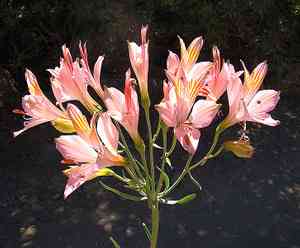
Saint Martin's lily presents a beautiful spectrum of hues that can liven up any outdoor space.
2
Strategic positioning of Saint Martin's lily can improve your garden's vitality and aesthetic appeal.
3
Saint Martin's lily is resilient, simple to care for, and can draw beneficial creatures to your garden.
Appreciating the Visual Charm of Saint Martin's lily
Discovering the Distinctive Color Range of Saint Martin's lily
What sets Saint Martin's lily apart for garden settings is its vivid and diverse spectrum of colors. From gentle pastels to bright, bold shades, these blossoms effortlessly integrate into various garden schemes. They offer a captivating visual allure that captures attention and establishes a focal point in any garden area. Envision a garden adorned with strokes of pinks, reds, and purplesâhues that can transform your outdoor space into a picturesque sanctuary.
Its Structural Form and How It Complements Contemporary Garden Designs
Saint Martin's lily possesses a unique structural shape that imparts a touch of grace and sophistication to modern garden aesthetics. The tall, slender stems and delicate blooms create a sense of height and movement, which can enhance vertical layers in your garden. This form allows Saint Martin's lily to pair beautifully with minimalist and current garden styles, adding a light and airy feel to the landscape. Whether planted in clusters or as individual specimens, their structure complements other plants and hardscape elements, fostering a harmonious and visually pleasing garden.
Seasonal Flowering Patterns That Boost Year-Round Garden Beauty
A wonderful characteristic of Saint Martin's lily is its seasonal blooming cycles, which can help sustain garden interest throughout the year. Depending on the cultivar, Saint Martin's lily flowers can emerge in different seasons, ensuring there is always something in bloom in your garden. This continuous cycle of flowering can provide a dynamic and ever-changing landscape that keeps your garden looking fresh and vibrant across the seasons.
Integrating Saint Martin's lily with Other Flora
Companion Plants That Flourish Alongside Saint Martin's lily
To cultivate a thriving and unified garden, consider pairing Saint Martin's lily with companion plants that complement its growth habits and visual appeal. Plants like lavender, salvia, and ornamental grasses work well with Saint Martin's lily, enhancing the visual texture and variety of your garden. These companions can help fill empty spaces and create a lush, full garden while supporting the health and development of Saint Martin's lily.
Utilizing Saint Martin's lily as an Edging or Background Plant
Saint Martin's lily is incredibly adaptable and can be effectively used as an edging or background plant. When positioned along the borders of garden beds, Saint Martin's lily forms a soft and attractive boundary that defines areas without being overwhelming. In the rear, its height and structure provide a lovely backdrop for shorter plants, adding depth and dimension to your garden layout. This strategic placement ensures a balanced and well-organized garden design.
Balancing Color Palettes and Textures in the Garden
A harmonious garden often features a balanced blend of colors and textures, and Saint Martin's lily can play a crucial role in achieving this. Combining Saint Martin's lily with plants of contrasting textures and complementary colors can create visual interest and cohesion. For instance, the delicate blooms of Saint Martin's lily can be paired with the bold foliage of hostas or the feathery fronds of ferns. Consider the color wheel when selecting companion plants to ensure a pleasing and vibrant color scheme that enhances the beauty of your garden.
Practical Advice for Arranging Saint Martin's lily in Your Landscape
Optimal Spacing for Plant Health and Visual Impact
When planting Saint Martin's lily, it is vital to consider ideal spacing to ensure both the well-being of the plants and their aesthetic effect. Proper spacing prevents overcrowding, which can lead to poor air circulation and increased vulnerability to diseases. Allow each plant ample room to grow and spread, which typically means providing at least 12 to 18 inches between plants. This spacing not only promotes healthy growth but also allows each bloom to be visible, enhancing the overall beauty of your garden.
The Significance of Placement Regarding Sunlight and Shade
Correctly positioning Saint Martin's lily in terms of sunlight and shade is essential for its growth and flowering performance. Saint Martin's lily thrives in locations with full to partial sunlight, so choose spots in your garden that receive abundant light throughout the day. However, in regions with intense afternoon sun, partial shade can prevent the blooms from scorching. Observing how sunlight moves across your garden can help you select the best spots for planting to maximize growth and flower production.
Maintaining Visual Appeal Through Varied Heights and Layers
Achieving a visually captivating garden design often involves experimenting with different heights and layers. Saint Martin's lily's natural height and structure make it an excellent candidate for adding vertical interest to your garden. Layering Saint Martin's lily with shorter plants in the foreground and taller plants or trees in the background can create a dynamic and engaging landscape. This approach not only enhances the visual appeal but also ensures that each plant has its own space to thrive and be appreciated.
Long-Term Advantages of Including Saint Martin's lily in Your Garden
Resilience and Ease of Upkeep
One of the significant long-term benefits of incorporating Saint Martin's lily into your garden is its hardiness and low maintenance requirements. Saint Martin's lily is known for its robustness and ability to withstand various climatic conditions. Once established, it demands minimal care, making it an excellent choice for both novice and experienced gardeners. Regular watering, occasional feeding, and basic pruning are usually sufficient to keep Saint Martin's lily thriving and looking beautiful year after year.
Boosting Property Value with Attractive Landscaping
Well-designed gardens with appealing plantings can significantly increase the value of your property, and Saint Martin's lily is no exception. Its striking flowers and elegant form can improve curb appeal, making your home more attractive to potential buyers. A beautiful garden can be a major selling point, adding to the overall aesthetics and livability of your property. Investing in Saint Martin's lily and other landscaping elements is a wise choice that can pay off in both enjoyment and financial returns.
Creating a Haven for Wildlife
Beyond their visual charm, Saint Martin's lily can contribute to establishing a habitat for wildlife in your garden. The flowers attract pollinators such as bees, butterflies, and hummingbirds, supporting local ecosystems and promoting biodiversity. By integrating Saint Martin's lily into your garden, you provide essential resources for these creatures, creating a lively and vibrant outdoor space that benefits both you and the environment. This ecological aspect adds an extra layer of value to your garden, making it not only beautiful but also environmentally friendly.



