Enhancing Your Garden Design with the Soap aloe Plant: A Landscaping Guide
1
Soap aloe flourishes in soil that drains effectively and in bright, sunlit areas.
2
Soap aloe's distinctive appearance makes it a prominent element in any landscape.
3
Soap aloe needs little upkeep, making it a perfect choice for novice plant enthusiasts.
Introducing Soap Aloe in Garden Design
Discovering the unique visual appeal of Soap aloe
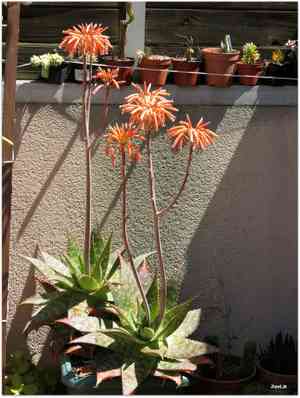
Soap aloe is a visually striking plant, featuring vibrant, speckled foliage and prominent, tubular blossoms. Its architectural form introduces a dynamic element to any landscape. The plant's dramatic shape and appealing textures make it an attractive addition to both contemporary and traditional garden schemes. Its distinctive leaves can draw attention to key areas in your garden, providing an exotic touch that can either complement or contrast with other plant varieties.
Why select Soap aloe for your outdoor space?
Choosing Soap aloe for your garden offers several advantages. Firstly, its robust nature makes it suitable for various climates, especially drier ones. It is drought-tolerant, reducing the need for frequent irrigation and making it an excellent option for low-maintenance gardens. Furthermore, Soap aloe's perennial characteristic ensures it provides aesthetic value year-round. Its resistance to pests and diseases further minimizes the need for regular intervention, simplifying garden upkeep.
Optimal Placement for Soap Aloe
Prime spots for visual impact
When deciding where to position Soap aloe in your landscape, consider strategic focal points like your home's entrance, along pathways, or within rock gardens. These locations not only showcase Soap aloe's beauty but also enhance your yard's overall visual appeal. Grouping several Soap aloe plants together can create a bold display, amplifying their distinctive look. They are particularly effective in xeriscape designs, where their unique appearance can stand out among more subtle ground covers and stones.
Considering light exposure requirements
Soap aloe flourishes best in full sun, where it can absorb ample light for optimal development. However, it can tolerate some partial shade during the hottest parts of the day. Ensuring Soap aloe receives at least six hours of direct sunlight daily will promote vigorous health and abundant flowering. When planting, select spots that offer good sun exposure but are also protected from extreme midday heat if your climate tends to be particularly warm. This balance will ensure Soap aloe remains healthy and visually appealing.
Pairing Soap Aloe with Other Flora
Companion plants for color and texture contrast
Pairing Soap aloe with suitable plants can enrich your garden's visual diversity. Consider plants with contrasting colors and textures to make Soap aloe stand out. Succulents with rounded leaves or ornamental grasses with slender blades create a pleasing visual blend. Flowering plants that bloom in complementary hues can also accentuate Soap aloe's vibrant flowers. For instance, planting alongside blue or purple perennials can create a striking color contrast that captures attention.
Advice for achieving a unified garden aesthetic
Creating a harmonious garden design requires careful planning. Soap aloe should serve as a focal point around which other plants are arranged. Layering plants by height, with Soap aloe in mid-to-front positions, helps create depth and visual interest. Additionally, repeating Soap aloe throughout your garden can unify diverse sections and foster a cohesive feel. Balance Soap aloe's bold presence with plants of varying textures and forms to prevent a monotonous appearance.
Seasonal Considerations for Showcasing Soap Aloe
Adjustments for growth and bloom cycles
Understanding Soap aloe's growth and flowering phases can help you maximize its aesthetic potential throughout the year. During the active growing season, consistent watering and occasional feeding can support optimal development. As Soap aloe enters its blooming phase, typically in late spring to early summer, minimizing disturbances can help maintain its flower display. After the blooming season, trimming any spent flowers will keep the plant looking tidy and encourage new growth.
How Soap aloe adapts through different times of year
Soap aloe adapts well to seasonal changes, maintaining its appeal across various conditions. In warmer months, its growth is more vigorous, and flower production peaks. As temperatures drop, Soap aloe's growth slows, but its structural integrity remains, ensuring it continues to add visual interest. If you reside in a region with frost, providing some protection can sustain its health. Utilizing mulch or frost cloth can safeguard against extreme cold without detracting from the plant's beauty.
Soap Aloe Maintenance Guidelines
Basic care practices
Caring for Soap aloe is straightforward, making it ideal for beginner gardeners. Regularly remove any dead or damaged leaves to maintain a neat appearance. Watering should be moderate; allowing the soil to dry out between waterings mimics the plant's natural habitat and prevents root rot. Fertilizing occasionally with a balanced, water-soluble fertilizer will support sustained growth. Monitoring for any signs of pests or diseases, though uncommon, will ensure prompt action can be taken if necessary.
Preventing common problems
To keep Soap aloe thriving, proactive measures are crucial. Ensure the planting site has well-drained soil to prevent waterlogging, which can lead to root rot. Be mindful of overwatering and provide adequate spacing between plants to promote good air circulation, reducing the risk of fungal infections. Regularly inspect your plant for signs of common pests such as aphids or mealybugs and treat infestations early with appropriate organic or chemical controls.



