Enhancing Your Garden Design with the Alocasia sanderiana Plant: A Landscaping Guide
1
The Kris plant flourishes optimally with a mix of sun exposure and shaded areas.
2
Kris plant's distinctive foliage design brings an artistic touch to outdoor spaces.
3
Consistent maintenance guarantees the Kris plant stays lively and well-maintained throughout the entire year.
Appreciating the Visual Charm of Kris Plant
Distinctive foliage: How does Kris plant's unique leaf shape enhance garden beauty?
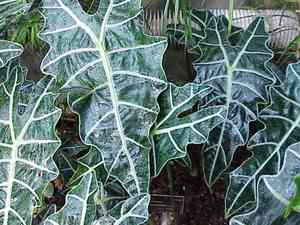
Kris plant showcases sizable, arrow-like leaves with prominent venation, making it an excellent option for injecting visual intrigue into your garden. Its bold and dramatic leaves instantly grab attention, forming a natural focal point without overpowering the landscape. These plants lend a tropical ambiance to various outdoor settings, proving versatile for diverse garden styles. The elaborate leaf patterns and textures provide unique depth and dimension, ensuring Kris plant remains a captivating feature throughout the year.
Color contrasts: Utilizing Kris plant's vibrant greens against other garden elements
The rich, deep green foliage of Kris plant can be used to forge striking contrasts in your garden. Pairing Kris plant with plants featuring lighter or more muted leaves can accentuate its vivid hue and impart a lush, revitalizing feel to your landscape. Contrasts with brightly colored flowers can also boost your garden's visual appeal, making Kris plant a superb choice for adding both texture and color diversity. By carefully positioning Kris plant alongside complementary plants, you can cultivate a visually engaging and harmonious garden space.
Selecting the Optimal Location for Kris Plant in Your Garden
Considering sunlight and shade: Finding the perfect balance for Kris plant
Kris plant flourishes best in conditions receiving bright, indirect illumination. Direct sun exposure can scorch its delicate leaves, while too much shade might hinder its growth potential. To create an ideal environment, select a garden spot offering partial shade, which helps shield Kris plant from excessive sun while providing ample light to thrive. Morning or late afternoon light is often perfect, ensuring Kris plant maintains its vibrant look throughout the growing season.
Soil conditions and elevation: Ensuring the ideal environment for Kris plant
Optimal growth for Kris plant depends on well-draining soil that remains consistently moist but not waterlogged. Enriching your garden soil with organic material can improve its texture and fertility, greatly benefiting Kris plant. Slightly elevating your planting area can also enhance drainage, preventing root rot and other hydration problems. Regularly checking the soil's moisture and ensuring it stays adequately hydrated will promote healthy, robust growth in your Kris plants.
Landscaping Design Concepts with Kris Plant
Focal points: How to make Kris plant a centerpiece in your garden
To maximize Kris plant's visual impact, consider positioning it as a central element in your garden design. Planting Kris plant in prominent, visible spots can draw the eye and establish a natural point of interest. Surrounding Kris plant with lower-growing plants or incorporating it within a mixed border can further highlight its height and distinct foliage. Using containers or raised planters can also emphasize its unique attributes, allowing its intricate leaf patterns to be admired from various angles.
Creating borders and edging with Kris plant: A step-by-step guide
Employing Kris plant for borders and edging involves strategic placement to frame garden beds and pathways. Begin by preparing the planting area with well-draining, enriched soil. Position the plants uniformly along the border, ensuring they have sufficient room to grow without overcrowding. Apply mulch around the base to retain moisture and deter weeds, which helps maintain a clean, tidy appearance. Regularly trim to manage size and shape, keeping the border looking defined and refined.
Companion planting: What plants complement Kris plant effectively?
Kris plant pairs well with various plants, enhancing overall garden aesthetics and ecosystem well-being. Consider companion plants with contrasting foliage colors, such as ferns or hostas, to create a dynamic visual effect. Flowers with vivid blooms, like impatiens or begonias, can add splashes of color that stand out against Kris plant's green leaves. Additionally, integrating plants that thrive in similar conditions, such as shade-tolerant varieties, will ensure a harmonious growing environment for all your garden inhabitants.
Maintaining Kris Plant in Your Landscape
Regular upkeep tips for Kris plant in different seasons
To keep Kris plant looking its finest, establish a consistent maintenance routine throughout the year. During the active growth period, ensure consistent watering and fertilization to support vigorous development. Prune any damaged or deceased leaves to encourage new growth and maintain a neat look. In colder months, consider relocating potted Kris plant indoors or providing protection in outdoor settings to prevent frost damage. By adjusting your care routine seasonally, you can keep Kris plant thriving regardless of the weather.
Dealing with common issues: Pests and diseases affecting Kris plant
Kris plant can be vulnerable to common pests and diseases, such as spider mites, aphids, or root rot. Regularly inspect your plants for indications of pests or disease, such as discolored leaves or visible insects. Treat infestations promptly using organic or chemical solutions as needed, and enhance air circulation around your plants to lessen disease risk. Ensuring proper watering techniques, like avoiding waterlogged soil, can also help prevent problems from arising, keeping your Kris plant healthy and robust.



