Enhancing Your Garden Design with the Elephant's ear Plant: A Landscaping Guide
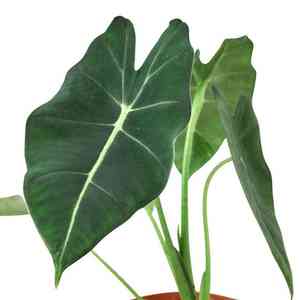
1
Elephant's ear flourishes in either dappled shade or filtered light, allowing for flexible placement across different garden locations.
2
Arranging multiple Elephant's ear plants together can form vibrant, verdant zones that enhance the richness and diversity of your outdoor space.
3
Correct positioning and appropriate seasonal maintenance are crucial for preserving the vitality and aesthetic appeal of Elephant's ear within your garden.
Introducing Elephant's Ear in Garden Design
Overview of Elephant's ear as a landscaping plant.
Recognized for its striking foliage and bold presence, Elephant's ear infuses a tropical essence into your garden. Its distinctive, large leaves resemble an elephant's ear, imparting a dramatic and captivating look. This plant is ideal for adding height and visual appeal, especially when combined with other greenery. Whether you're undertaking a small backyard project or a major landscaping renovation, Elephant's ear offers a flexible and impressive option.
Advantages of incorporating Elephant's ear into your garden space.
Integrating Elephant's ear into your garden offers multiple benefits. Firstly, its expansive leaves offer excellent shade, naturally cooling garden areas. Furthermore, Elephant's ear demands relatively low maintenance, making it a perfect selection for both new and seasoned gardeners. The plant's sturdy structure also provides resistance to common pests, ensuring your garden stays healthy and vibrant. Moreover, the aesthetic charm of Elephant's ear can elevate your landscape's overall look, establishing it as an impressive centerpiece.
Creative Ways to Integrate Elephant's ear in Your Garden
Central focal point: Utilizing Elephant's ear to create a visual centerpiece.
Elephant's ear can serve as a prominent central focus in your garden. Its grand and sculptural leaves capture attention, making it a natural centerpiece for your outdoor area. For a unified look, place Elephant's ear in a visible spot, such as the middle of a flower bed or where pathways intersect. This not only forms a stunning visual anchor but also guides the eye toward other elements of your garden's layout.
Borders and pathways: Edging walkways with Elephant's ear.
Edging pathways with Elephant's ear is an excellent method to define your garden walkways. The plant's tall and dense foliage creates natural borders that guide visitors through your garden. By consistently spacing Elephant's ear plants along the edges of walkways, you can establish a lush and welcoming path. This approach not only boosts your garden's visual appeal but also provides a sense of order and structure.
Grouping for effect: Massing Elephant's ear for abundant greenery.
For those aiming to cultivate a rich and verdant garden area, consider massing Elephant's ear plants together. Clustering several Elephant's ear plants in one location can yield a fuller and more dramatic impact. This technique works particularly well in corners or larger open spaces where you wish to introduce more greenery. By varying the plants' height and spacing, you can achieve a natural and dynamic look that adds depth and interest to your landscape.
Optimal Placement of Elephant's ear in Landscaping
Sunlight and shade: Ideal locations for planting Elephant's ear.
Elephant's ear thrives best in spots with partial shade or indirect light. While it can withstand some direct sun, excessive exposure can scorch its leaves. Perfect locations include areas receiving morning sun and afternoon shade, such as beneath the canopy of taller trees or along building walls. Ensuring adequate shade helps preserve the plant's vibrant color and prevents leaf damage, keeping your garden looking immaculate.
Space considerations: Required area for Elephant's ear.
When planting Elephant's ear, it's crucial to consider the amount of space each plant will require. Elephant's ear can grow quite large, so allocating sufficient room for its full spread is essential. Typically, each plant should have at least 3 to 5 feet of surrounding space to grow comfortably. This spacing also facilitates proper air circulation, reducing the risk of fungal diseases and promoting healthier growth. Plan your garden layout with these space needs in mind to ensure Elephant's ear can flourish without encroaching on other plants.
Seasonal Care for Elephant's ear
Summer care guidelines for Elephant's ear.
Throughout summer, Elephant's ear needs consistent watering to keep its soil moist but not soggy. Applying mulch around the plant's base can help retain moisture and regulate soil temperature. Additionally, regular fertilization with a balanced feed can encourage robust growth and vibrant foliage. Be mindful of hot, dry periods and provide extra water as necessary to keep Elephant's ear hydrated and flourishing during the warmer months.
Preparing Elephant's ear for cooler weather.
As cooler temperatures approach, it's important to ready Elephant's ear for the seasonal shift. Begin by reducing watering, allowing the soil to dry out slightly between irrigations. In areas with harsh winters, consider bringing potted Elephant's ear plants indoors or covering those planted in the ground. Pruning any damaged or dead leaves can also help the plant conserve energy and lessen stress during colder months. Following these steps will ensure Elephant's ear remains healthy and ready to flourish again in spring.
Companion Plants and Enhancements
Selecting plants that complement Elephant's ear.
Pairing Elephant's ear with complementary plants can enhance your garden's visual appeal. Consider planting it alongside smaller, shade-loving plants with contrasting textures or colors, such as ferns, hostas, or caladiums. These combinations create a balanced and aesthetically pleasing landscape. Additionally, incorporating flowering plants with bright blooms can add a burst of color that stands out against the lush green foliage of Elephant's ear, making your garden even more vibrant and dynamic.
Decorative elements to accentuate the display of Elephant's ear.
Incorporating decorative elements can further highlight the beauty of Elephant's ear in your garden. Consider adding features such as garden sculptures, water features, or ornamental stones around the plant's base. These elements not only draw attention to Elephant's ear but also create a more structured and visually interesting space. Additionally, using decorative containers or planters can elevate the appearance of potted Elephant's ear plants, making them stand out as focal points in your garden design.



