Enhancing Your Garden Design with the Chinese taro Plant: A Landscaping Guide
1
Chinese taro offers a prominent visual element in diverse garden designs.
2
Appropriate seasonal maintenance is vital for preserving the vividness of Chinese taro.
3
Pairing Chinese taro with other flora improves its visual attractiveness.
Introducing Chinese Taro in Garden Design
Grasping the aesthetic impact of Chinese taro in outdoor spaces
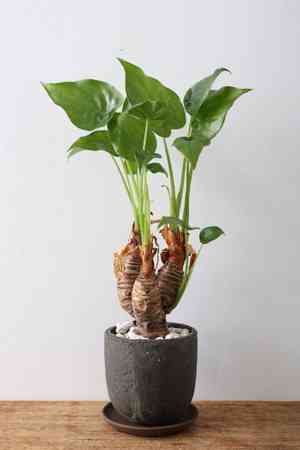
The distinctive and abundant foliage of Chinese taro instantly elevates the look of any garden. Its sizable, heart-shaped leaves can evoke a tropical ambiance, making it an excellent focal point or background plant. Whether crafting a peaceful sanctuary or a lively front yard, Chinese taro adds both texture and depth, enriching the overall atmosphere with its unique appearance.
The function of Chinese taro in landscape planning and beauty
Chinese taro is not only attractive but also adaptable in landscape design. It can be used to provide contrast against other garden elements, breaking up uniformity with its dynamic leaf patterns. Its ability to flourish in shaded areas also makes it an ideal option for introducing greenery to spaces that might otherwise be neglected, thereby improving the entire landscape's visual quality.
Incorporating Chinese Taro into Various Garden Styles
Utilizing Chinese taro in structured garden layouts
In formal garden designs, Chinese taro can be strategically positioned to highlight symmetry and order. Its bold foliage works well when planted in clearly defined borders or organized flower beds. The plantâs grand presence can soften strict lines, adding an element of natural elegance while preserving the garden's overall formality.
Adding Chinese taro to informal and rustic garden schemes
The relaxed and less structured aesthetic of cottage and rustic gardens can be beautifully enhanced by Chinese taro. Its abundant greenery introduces a wild yet charming element, fitting perfectly within the casual flow of these garden styles. Placing Chinese taro among colorful blossoms or alongside climbing plants can create a cozy and inviting setting.
Contemporary landscape applications with Chinese taro
Modern landscapes benefit from the striking, architectural form of Chinese taro, which can offer a contemporary flair. Used as a singular feature or as part of a minimalist garden design, Chinese taro can make a powerful statement. Its clean lines and rich green tones complement modern materials like concrete, steel, and glass, achieving a sophisticated and stylish look.
Seasonal Considerations for Chinese Taro
Key information about the growing period of Chinese taro
Chinese taro thrives in warmer months, typically exhibiting its best growth from spring through early autumn. Understanding its growing season allows for effective planning of your garden's bloom and foliage schedule. During its peak growth, ensure it receives adequate sunlight, water, and nutrients to showcase its full potential.
Managing Chinese taro during dormant periods
Caring for Chinese taro during colder months involves safeguarding it from frost and extreme cold. In regions with harsh winters, consider planting it in containers that can be moved indoors or using protective covers. Proper winter care ensures that Chinese taro remains healthy and can rebound vigorously in the subsequent growing season.
Companion Plants for Chinese Taro
Selecting plants that boost the visual appeal of Chinese taro
Choosing companion plants for Chinese taro involves considering both visual and growth characteristics. Plants with similar light and water requirements, such as ferns and hostas, can enhance its beauty without competing for resources. Additionally, varying leaf shapes and plant sizes can create an exquisite layered appearance.
Understanding color and texture contrasts with Chinese taro
Improving the attractiveness of Chinese taro can be achieved by pairing it with plants of contrasting colors and textures. Brightly colored flowers or variegated foliage can create a stunning backdrop for the deep green leaves of Chinese taro. Similarly, combining it with plants of different textures, like grasses or succulents, can add depth and visual interest to your landscape.
Maintenance Advice for Chinese Taro in Gardens
Basic care and grooming for Chinese taro
Regular maintenance for Chinese taro includes consistent watering, occasional feeding with a balanced fertilizer, and pruning any dead or damaged leaves. Ensure that the soil remains moist but not waterlogged to prevent root rot. A well-cared-for Chinese taro will reward you with lush and vibrant foliage throughout its growing season.
Addressing common pests and problems in Chinese taro
Chinese taro can be vulnerable to pests like aphids and spider mites, and it may develop fungal diseases if overwatered. To manage these issues, regular inspections and prompt treatment with appropriate insecticides or fungicides are necessary. Maintaining proper air circulation around the plant and ensuring it is not too densely planted with other flora can also reduce risks.



