Enhancing Your Garden Design with the Elephant's ear Plant: A Landscaping Guide
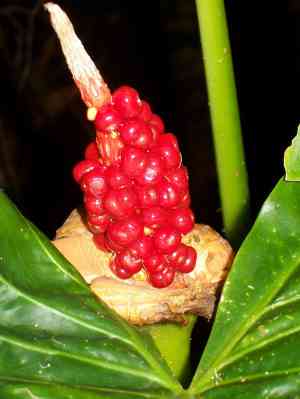
1
Alocasia prefers soil that drains well and partial shade.
2
Alocasia complements ferns and hostas wonderfully in dimly lit garden spots.
3
Alocasia makes an impressive centerpiece because of its big, striking foliage.
Introducing Elephant's Ear in Outdoor Spaces
Understanding the visual appeal of Elephant's Ear
To infuse your garden with a tropical flair, Elephant's Ear is transformative. Its expansive, verdant foliage makes a bold statement and offers a rich backdrop that can enhance various landscape schemes. This impressive plant not only provides vertical interest but also brings a sense of lush, exotic greenery to any outdoor area, making it a favorite among landscape architects and gardening enthusiasts alike.
Key characteristics of Elephant's Ear that improve garden aesthetics
Elephant's Ear is recognized for its broad, heart-shaped leaves that can grow quite large, creating a dramatic visual impact. Typically, the leaves are shiny and sometimes display intriguing variegated patterns, adding further visual interest. This plant is not only decorative but also adaptable, capable of flourishing in partially shaded spots. Its vigorous growth can quickly fill in garden voids, contributing to a lush, full garden appearance.
Designing Your Garden Layout with Elephant's Ear
Choosing the optimal spot for Elephant's Ear based on light and area
Selecting the ideal location for Elephant's Ear involves considering its light and spatial needs. While Elephant's Ear prefers partial shade, it should receive some indirect sunlight to thrive, especially in the morning. Plant it in a spacious area where its large leaves have ample room to expand without encroaching on other plants. Sufficient spacing also ensures good air circulation, helping to prevent potential fungal problems.
Companion planting: Plants that pair well with Elephant's Ear
Elephant's Ear complements various other shade-loving plants such as ferns, hostas, and astilbes. These companions enhance the tropical feel of your garden and create a unified look by filling in gaps with their diverse textures and foliage. Additionally, consider pairing Elephant's Ear with ground covers like creeping Jenny or sweet woodruff to create a lush, layered effect that highlights the grandeur of Elephant's Ear's large leaves.
Styling tips to make Elephant's Ear a central feature of your garden
To make Elephant's Ear the focal point of your garden, position it where it naturally draws attention, such as near a seating area or along a garden path. Its large, dramatic leaves can serve as a natural divider or backdrop for smaller plants. You can also cultivate Elephant's Ear in containers for added height and flexibility, allowing you to relocate it to different garden areas throughout the season.
Integrating Elephant's Ear into Various Garden Styles
How Elephant's Ear fits into structured garden designs
Elephant's Ear can be smoothly incorporated into formal garden designs by using it to create symmetrical patterns and structure. Placing them at regular intervals along pathways or within geometrically shaped flower beds adds a touch of order and sophistication. Their bold foliage contrasts beautifully with the more structured elements of a formal garden, providing both framework and vibrant greenery.
Utilizing Elephant's Ear in informal or cottage-style gardens
In an informal or cottage-style garden, Elephant's Ear adds a sense of lush, relaxed elegance. Plant it among a mix of perennials and wildflowers to enhance the garden's free-flowing feel. Its large leaves act as a unifying element amidst a sea of colors and textures, grounding the design and providing a visual anchor that keeps the garden looking intentional rather than chaotic.
Innovative ideas for Elephant's Ear in modern garden arrangements
For contemporary garden designs, consider using Elephant's Ear in inventive ways, such as planting it in sleek, modern containers or alongside minimalist decor. Its bold foliage pairs well with clean lines and minimalist features, adding a touch of organic softness to balance the modern aesthetic. Group multiple Elephant's Ear together for a striking, sculptural effect that commands attention and complements contemporary garden vibes.
Caring for Elephant's Ear in Your Landscape
Seasonal maintenance advice for Elephant's Ear
Maintaining Elephant's Ear requires some seasonal care to ensure its vitality. During the active growth period, ensure it receives consistent moisture by watering regularly, especially during dry spells. In the colder months, reduce irrigation to prevent root rot. Applying a layer of mulch can help retain soil moisture and moderate temperature extremes.
Managing growth: Pruning and controlling the spread of Elephant's Ear
To manage the growth of Elephant's Ear, occasional pruning is necessary. Remove any yellowing or damaged leaves to encourage healthy new growth and prevent disease transmission. If Elephant's Ear begins to spread beyond its designated area, you can dig up and divide the plant to control its size and prevent overcrowding.
Common issues and remedies when cultivating Elephant's Ear outdoors
Gardening with Elephant's Ear may present a few challenges, such as pest infestations and fungal diseases. Regularly inspect the leaves for signs of trouble, such as insect damage or spotting. Treat pests with appropriate organic pesticides and fungal issues with fungicides, and ensure proper spacing and air circulation to mitigate these problems. If the plant appears stressed, check soil moisture levels and adjust watering practices as needed.



