Enhancing Your Garden Design with the Black alder Plant: A Landscaping Guide
1
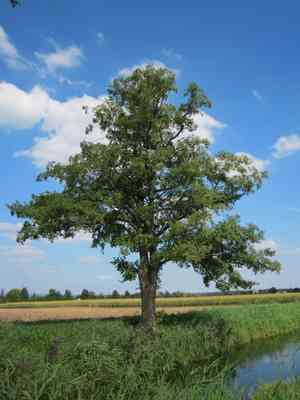
Black alder enhances the visual appeal and environmental benefits of any setting.
2
Placing Black alder appropriately can optimize its development and visual charm.
3
Black alder contributes significantly to sustaining local fauna and enriching ground quality.
Introducing Black Alder in Landscape Design
Appreciating the visual charm of Black Alder
Black alder offers a blend of graceful beauty and vigorous growth, making it a prominent feature in any setting. Its distinct dark bark and vibrant foliage create a striking contrast, enhancing garden aesthetics. Whether as a central element or part of a larger arrangement, Black alder infuses spaces with an inherent allure that is hard to surpass. The tree's seasonal transformations also provide continuous interest; its lush green leaves in spring and summer transition to golden in autumn, presenting a dynamic and colorful display throughout the year.
Black Alder's adaptability across various landscape styles
Black alder proves versatile across diverse landscape designs, from structured gardens to more relaxed, natural environments. Its capacity to thrive in different soil types and moisture levels allows it to integrate well into various settings, from urban parks to rural properties. This adaptability makes Black alder a flexible option for landscapers and garden enthusiasts aiming to create harmonious and visually pleasing outdoor areas. Its ability to function effectively as a standalone specimen or within a mixed planting scheme further highlights its versatility.
Optimal Planting Strategies for Black Alder
Selecting the appropriate site for Black Alder
Choosing the ideal spot for Black alder is essential for its successful growth and development. It flourishes best in areas with full to partial sunlight and moist, well-drained soil. It's important to consider the tree's mature size when selecting its planting location, ensuring ample room for growth without crowding other plants. Placing Black alder near water features or along garden path edges can accentuate its natural beauty and make it an integral part of your landscape design.
Companion planting: Ideal partners for Black Alder
Companion planting with Black alder can boost both the tree's health and the garden's visual appeal. Suitable companions include plants that thrive in similar soil and light conditions, such as ferns, hostas, and shade-tolerant perennials. These plants not only complement Black alder's aesthetic but also help retain soil moisture and reduce weed growth. Additionally, incorporating shrubs and smaller trees like dogwood or holly can create layered planting schemes that add depth and variety to the landscape.
Designing with Black Alder: Creative Concepts
Integrating Black Alder into formal garden designs
In formal gardens, Black alder can be used to establish elegant lines and structures. Planting Black alder in symmetrical patterns or as part of structured hedges can impart an air of sophistication and order to the garden space. The tree's height and foliage density make it an excellent choice for creating natural screens or windbreaks. To emphasize its formality, understory plantings with immaculate lawn borders or trimmed hedges can further enhance the garden's structured appearance.
Utilizing Black Alder in informal or natural garden settings
Black alder is equally at home in casual or natural garden environments, where it can contribute to a more relaxed and organic feel. In these settings, allowing the tree to grow naturally without excessive pruning enables it to achieve its full, sprawling form. Pairing Black alder with wildflowers, grasses, and other native plants can create a biodiverse and low-maintenance garden that supports local wildlife. Emphasizing naturalistic paths and water features will also enhance the serene and undeveloped charm of the garden.
Maintenance Tips for a Healthy Black Alder
Basic upkeep and seasonal care for Black Alder
Maintaining Black alder's health involves routine care such as watering during dry spells, mulching to conserve soil moisture, and applying slow-release fertilizers during the growing season. Pruning dead or damaged branches helps maintain the tree's shape and promotes better air circulation, which can prevent disease. Seasonal checks for pests and diseases ensure timely interventions, keeping the tree healthy year-round. Additionally, protecting young trees with tree guards can help prevent damage from wildlife.
Addressing common issues affecting Black Alder
Common problems that might impact Black alder include fungal infections, leaf spots, and root rot, often due to overly wet conditions. Ensuring proper drainage and avoiding waterlogging can alleviate many of these issues. Regular inspections for signs of disease, such as yellowing leaves or unusual growth patterns, can help detect problems early before they become severe. Using appropriate fungicides and consulting with local extension services for specific regional advice can help keep Black alder in optimal health.
The Environmental Impact of Planting Black Alder
Benefits of Black Alder for local wildlife
Planting Black alder significantly benefits local wildlife by providing habitat and food sources. Birds find refuge in its branches, and its seeds offer sustenance to various species. Insects and pollinators are attracted to its flowers, contributing to the ecosystem's overall health. Areas with natural grasses and wildflowers around Black alder offer even more resources for wildlife, fostering biodiversity and creating a balanced, thriving ecosystem.
How Black Alder contributes to the ecosystem
Black alder plays a crucial role in improving soil health by fixing nitrogen, thereby enriching soil fertility and benefiting surrounding plants. Its deep root system helps prevent erosion, making it invaluable in stabilizing riverbanks and slopes. The tree's ability to absorb pollutants and improve air quality also highlights its environmental importance. By planting Black alder, you are not only enhancing your landscape aesthetically but also contributing to a healthier, more sustainable environment.



