Enhancing Your Garden Design with the Giant onion Plant: A Landscaping Guide
1
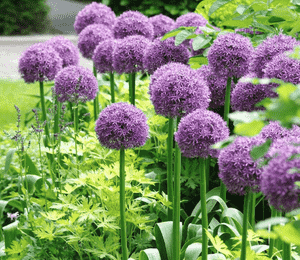
Allium giganteum contributes both vertical dimension and architectural form to your garden, making it a flexible option for diverse landscape layouts.
2
Allium giganteum integrates quite readily with other flora, fostering a balanced and vibrant garden environment.
3
Grasping the seasonal requirements and typical difficulties associated with cultivating Allium giganteum can aid in guaranteeing a flourishing garden.
Why Incorporate Giant Onion into Your Garden?
Appreciating the Visual Appeal of Giant Onion
A key reason to select Giant Onion for your garden is its remarkable visual charm. With its impressive height and striking floral display, Giant Onion immediately becomes a focal point in any setting. The plant's stature adds vertical interest, breaking up the uniformity of ground-level flora. Its spherical flower heads offer a unique, whimsical allure that stands out among typical garden plants. This dramatic look is especially effective for creating visual intrigue and making a bold statement in your garden.
Giant Onion's Contribution to Lush and Dynamic Landscapes
Adding Giant Onion to your garden can significantly contribute to a vibrant, dynamic landscape. Due to its considerable size and dense foliage, Giant Onion provides a sense of fullness that can fill empty spaces and create a more unified appearance. Its presence can guide the eye through the garden, fostering a sense of flow and cohesion. The complementary hues of its blossoms with other plants can result in striking color combinations that enhance your garden's overall visual appeal.
Effortless Integration: How Giant Onion Blends with Other Plants
One of Giant Onion's main advantages is its seamless integration with a wide array of other plants. Whether you're working with perennials, shrubs, or annuals, Giant Onion can be easily incorporated into existing garden designs. It pairs well with ground cover plants and can provide a lovely backdrop for shorter flowering species. Furthermore, its compatibility with various garden stylesâfrom formal arrangements to informal cottage gardensâmakes it a versatile addition to any landscape.
Effectively Integrating Giant Onion into Diverse Garden Styles
Complementing Formal Garden Designs with Giant Onion
Formal gardens often rely on structured layouts and symmetry, where Giant Onion can play a crucial role. Its tall, upright growth habit makes it perfect for outlining pathways, providing structure and definition to garden beds, or serving as a central element in symmetrical designs. By planting Giant Onion in a row or at even intervals, you can achieve a balanced and visually pleasing arrangement that enhances your garden's formal aesthetic.
Enhancing Cottage Gardens: Giant Onion's Rustic Charm
For garden enthusiasts seeking a more rustic and relaxed aesthetic, Giant Onion is an excellent choice. The plant's natural elegance and large blooms effortlessly blend into the casual, eclectic mix typical of cottage gardens. Here, Giant Onion can be combined with various other flowering plants to create an informal, yet harmonious look. The contrast of its structured form with the softer, more relaxed appearance of cottage plants helps achieve a perfect balance.
Modern Landscapes and Giant Onion's Bold Statement
Modern garden designs often prioritize simplicity and clean lines, where Giant Onion's striking presence can make a significant impact. Its prominent flower heads and tall stalks offer a sculptural element that complements contemporary aesthetics. By incorporating Giant Onion into minimalist spaces or as part of a garden with sleek, geometric lines, you can add an unexpected and captivating feature that enhances the modern feel of your landscape.
Seasonal Considerations for Cultivating Giant Onion
Optimal Times for Planting Giant Onion
Understanding the best planting times for Giant Onion is vital for its successful growth. Typically, Giant Onion bulbs should be planted in the autumn before the ground freezes. This timing allows the bulbs to establish roots during the winter months, preparing them for vigorous growth and flowering in the spring. By planning your planting season appropriately, you can ensure that Giant Onion thrives in your garden.
Understanding Giant Onion's Lifespan and Bloom Cycles
Learning about Giant Onion's lifespan and bloom cycles can help you manage your garden more effectively. Giant Onion generally blooms from late spring to early summer, providing a burst of color when many other plants are just starting to emerge. By knowing its blooming period, you can coordinate with other plants in your garden to ensure continuous color and interest throughout the growing season.
Common Challenges and Solutions in Growing Giant Onion
Addressing Common Pests and Diseases Affecting Giant Onion
Like any plant, Giant Onion can be susceptible to certain pests and diseases. Common issues include attacks from aphids, leaf miners, and fungal infections. Regularly inspecting your plants for signs of infestation or disease and taking prompt action is essential. Natural remedies, such as neem oil or introducing beneficial insects, can help manage pests, while ensuring good air circulation and proper spacing can prevent fungal problems.
Soil and Water Needs for Optimal Growth
Ensuring that Giant Onion is planted in well-draining soil is crucial to prevent bulb rot and support healthy growth. Additionally, while Giant Onion does not require excessive watering, it is important to maintain consistent moisture levels, especially during its active growing season. Mulching can help retain soil moisture and suppress weeds, contributing to a healthier growing environment for Giant Onion.



