Enhancing Your Garden Design with the Lady's mantle Plant: A Landscaping Guide
1
Alchemilla mollis flourishes in areas with some shade, though it can tolerate full sunlight if kept sufficiently moist.
2
Adequate distance between plants is vital for Alchemilla mollis's development, typically 12 to 18 inches between specimens.
3
Alchemilla mollis integrates wonderfully into diverse garden beds and complements brightly colored blooms effectively.
Introducing Lady's Mantle to Your Landscape
The visual charm of Lady's Mantle: A quick overview
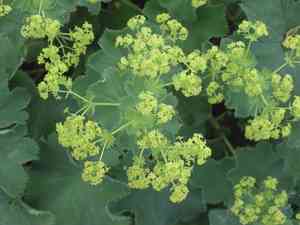
Lady's Mantle is celebrated for its broad, soft leaves and elegant, fan-like growth, bringing a distinct texture and calming green hue to garden settings. Its abundant foliage and airy, chartreuse blooms offer a refreshing allure, providing a gentle contrast to more upright and structured plants. This dual appeal makes Lady's Mantle an excellent addition to any garden, offering visual interest from spring through autumn. Whether as ground cover, a border plant, or a focal point, Lady's Mantle adds a touch of sophistication and peace to your outdoor area.
Typical applications of Lady's Mantle in home and business settings
Used in both residential and commercial landscaping, Lady's Mantle fulfills various practical and aesthetic roles. In home gardens, it often forms the foundation of mixed borders, softening edges and filling spaces with its dense leaves. Commercially, it's frequently found in public parks, corporate gardens, and along walkways, owing to its low upkeep and year-round attractiveness. Lady's Mantle also excels in container gardening, where its cascading leaves can elegantly drape over the sides, enhancing patios, balconies, and entryways.
Ideal Placement of Lady's Mantle in Your Garden
Identifying suitable locations for Lady's Mantle based on light and soil conditions
Lady's Mantle thrives best in areas with partial shade, though it can endure full sun if the soil stays moist. When deciding where to plant Lady's Mantle, consider spots that receive filtered sunlight or morning sun with afternoon shade. Soil type significantly impacts Lady's Mantle's health; it prefers well-drained soil rich in organic matter. Incorporating compost or aged manure can enhance soil quality, ensuring optimal growth and vibrancy. Avoid excessively dry or waterlogged areas, as these conditions can impede its development.
How spacing affects Lady's Mantle's development and visual impact
Correct spacing is vital to ensure Lady's Mantle flourishes and maintains its aesthetic appeal. Planting Lady's Mantle too close together can lead to overcrowding, reducing air circulation and increasing disease risk. Ideally, position each plant about 12 to 18 inches apart, allowing space for air movement and growth. This spacing not only promotes healthy development but also enhances the plant's natural spreading habit, creating a more attractive, unified look. When planting in borders or large beds, offset the plants to form a natural, flowing arrangement.
Companion Plants for Lady's Mantle
Best partners for Lady's Mantle in a mixed border
Lady's Mantle pairs well with a wide range of plants, boosting the overall appeal of mixed borders. Complement it with taller perennials like delphiniums or foxgloves, which add height and color contrast. Hostas and ferns also make excellent companions, sharing similar growing conditions and offering diverse textures and green shades. For a burst of color, consider planting alongside vibrant, flowering plants such as geraniums or daylilies. The key is to balance Lady's Mantle's soft appearance with plants that provide structure and visual interest.
Understanding color and texture contrasts with Lady's Mantle
Emphasizing color and texture contrast can significantly elevate your garden's visual impact. Lady's Mantle's soft, green foliage and chartreuse blooms stand out when planted next to deep purple or red flowers. Consider plants like salvia or heuchera, which offer a bold color contrast. The textured leaves of Lady's Mantle also shine when paired with plants boasting smooth or spiky foliage, such as ornamental grasses or alliums. By mixing different textures and colors, you create a dynamic landscape that captures attention and excites the senses.
Seasonal Considerations for Lady's Mantle
What to expect from Lady's Mantle throughout the year
Lady's Mantle offers continuous interest in the garden with its changing appearance across the seasons. In spring, fresh green leaves emerge, quickly followed by airy clusters of lime-green flowers. Summer maintains this lush look, with the foliage providing a cool, refreshing backdrop. By fall, the leaves may take on a subtle golden hue, adding to the seasonal display. In winter, while the plant dies back, its dried flower heads and leaves can still offer some textural interest if left in place until early spring cleanup.
Preparing Lady's Mantle for colder periods
As autumn transitions to winter, preparing Lady's Mantle for the colder months helps ensure its survival and health. Begin by trimming back any fading foliage in late fall to minimize disease risk. A mulch layer, about 2-3 inches thick, can protect the roots from freezing temperatures. Use organic material like straw, leaves, or compost for this purpose. In very cold climates, consider covering the plants with a frost cloth for added protection. Regularly check the mulch throughout winter to ensure it hasn't compacted or blown away, replenishing as needed.
Enhancing Your Property's Curb Appeal with Lady's Mantle
Simple methods to incorporate Lady's Mantle for maximum visual appeal
Integrating Lady's Mantle into your landscape can significantly boost your property's curb appeal. Use it to line pathways and driveways, where its lush foliage softens hardscape edges and guides the eye towards your home. In garden beds, position Lady's Mantle towards the front to create a lush border that defines the space. Combining it with seasonal annuals or bulbs ensures continuous color and interest throughout the year. For a striking entrance, consider planting Lady's Mantle in large pots or containers, allowing its leaves to spill gracefully over the edges, framing your doorway or steps with natural beauty.
Case studies: Before and after landscape transformations with Lady's Mantle
Seeing the potential of Lady's Mantle in real-life scenarios can inspire your landscaping plans. For example, a plain, uninspiring front yard can be transformed by introducing Lady's Mantle along with its complementary plants. In one case study, an overgrown and neglected garden bed was revitalized by incorporating Lady's Mantle alongside hostas, ferns, and colorful annuals. The result was a lush, cohesive landscape that not only improved the home's curb appeal but also required minimal maintenance. Another example involved a commercial space where Lady's Mantle was used to soften the harsh lines of a concrete pathway, creating a more welcoming and attractive environment for visitors.



