Enhancing Your Garden Design with the Persian silk tree Plant: A Landscaping Guide
1
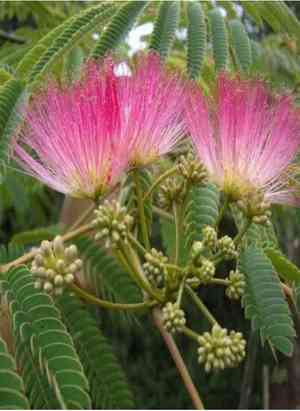
The Persian silk tree is recognized for its distinctive, silken flowers and fine, fern-like leaves.
2
This tree not only boosts aesthetic charm but also aids local fauna and enriches ecological variety.
3
Grasping the functional elements of establishing a Persian silk tree can guarantee its prosperity in your outdoor space.
Introducing the Unique Aesthetic Appeal of Persian silk tree
Visual characteristics: Describing the distinctive silky blossoms and fern-like foliage of Persian silk tree
The Persian silk tree stands out in any setting due to its unique visual traits. It features silky, pink flowers that appear delicate and almost otherworldly. These blooms are complemented by its fern-like leaves, which add a soft, feathery texture to your garden. Together, the flowers and foliage of the Persian silk tree offer a captivating visual element that can be a central feature in your landscape design.
Seasonal changes: Highlighting the color transitions through seasons and their visual impact
A captivating aspect of the Persian silk tree is its seasonal transformation. During spring and summer, the tree bursts with vibrant pink flowers and lush green leaves. As autumn approaches, its foliage shifts to a yellowish hue, adding another layer of visual interest. This seasonal shift ensures the Persian silk tree remains a dynamic and striking presence in your garden all year.
Landscape compatibility: Discussing how Persian silk tree complements various landscape styles
The adaptability of the Persian silk tree allows it to fit into diverse landscape designs. Whether your garden is a modern urban space, a classic cottage garden, or a themed area, the Persian silk tree can effortlessly enhance its look. Its elegant flowers and leaves work well as a standalone focal point or as part of a more intricate garden arrangement, offering endless possibilities for creative landscapers.
The Role of Persian silk tree in Ecosystem Support
Attracting wildlife: Exploring how Persian silk tree serves as a habitat and food source for local fauna
The Persian silk tree is more than just attractive; it plays a vital role in the ecosystem by drawing in and supporting local wildlife. Birds, bees, and butterflies are particularly drawn to the tree due to its fragrant flowers and abundant nectar. By planting a Persian silk tree in your garden, you create a small ecosystem that supports these creatures, fostering a healthier and more vibrant local environment.
Improving biodiversity: Discussing the contribution of Persian silk tree to local ecological diversity
Adding a Persian silk tree to your landscape significantly boosts biodiversity. This tree contributes to a more varied plant population, which in turn supports a wider array of insects, birds, and other wildlife. The presence of such diverse species can enhance the ecological balance of your garden, making it more resilient and sustainable.
Environmental benefits: Detailing how Persian silk tree impacts air quality and soil health
The Persian silk tree offers several environmental advantages beyond its beauty and wildlife appeal. It helps improve air quality by filtering pollutants and producing oxygen. Additionally, its roots can stabilize soil, preventing erosion and improving soil health. These benefits make the Persian silk tree not only a beautiful addition to your landscape but also a practical one.
Incorporating Persian silk tree into Different Landscape Themes
Modern urban gardens: Tips on integrating Persian silk tree into contemporary designs
For modern urban gardens, the Persian silk tree can introduce elegance and softness to clean lines and minimalist aesthetics. Consider placing it in a well-defined, sculpted area where its natural beauty can truly shine. The tree's airy canopy also offers a delicate contrast to the often rigid, structured elements found in contemporary garden designs.
Traditional cottage settings: Ways to use Persian silk tree in classic landscape styles
In a traditional cottage garden, the Persian silk tree can enhance the charm and quaintness typical of such spaces. Plant it alongside classic cottage plants like roses, lavender, and hollyhocks to create a picturesque, storybook ambiance. Its soft blossoms and foliage will blend seamlessly into the lush, overflowing beds characteristic of cottage gardens.
Thematic focal points: Creating visual statements with Persian silk tree in thematic gardens
Whether you're designing a Zen garden, a tropical paradise, or a fairy tale retreat, the Persian silk tree can serve as a stunning thematic focal point. Position the tree where its unique beauty can be fully appreciated, such as near a water feature in a Zen garden or as the central element in a fairy tale-inspired landscape. Its adaptable nature allows it to fit into various themes effortlessly.
Practical Considerations When Planting Persian silk tree
Space requirements: Understanding the growth size and space needed for Persian silk tree
Before planting a Persian silk tree, it's crucial to understand its mature size and space needs. It can reach a height of 20-40 feet with a similar spread. Ensure you plant it in an area with ample room to grow without interfering with other plants or structures. Proper spacing also ensures good air circulation, which is vital for the tree's health.
Sunlight and soil: Guidelines on the ideal conditions for Persian silk tree
The Persian silk tree thrives in full sun, needing at least six hours of direct sunlight daily. It prefers well-drained soil but adapts to various soil types, from sandy to clayey. Ensure the soil is moderately fertile and drains well to prevent root rot and other issues. Regular watering, especially during dry spells, will keep the Persian silk tree healthy and vibrant.
Companion plants: Identifying other plants that grow well with Persian silk tree
Choosing suitable companion plants for the Persian silk tree can enhance your garden's overall beauty and health. Consider pairing it with ornamental grasses, perennial flowers, or shrubs that flourish in similar conditions. Plants like lavender, salvia, and roses can complement the aesthetic appeal of the Persian silk tree, creating a harmonious and visually pleasing garden space.



