Enhancing Your Garden Design with the Common bugle Plant: A Landscaping Guide
1
Ajuga reptans is a adaptable ground cover flourishing in diverse garden environments.
2
Perfect for generating color variations, Ajuga reptans boosts both visual charm and ecological diversity.
3
Appropriate seasonal maintenance guarantees Ajuga reptans stays verdant and lively throughout the year.
Exploring the Function of Common bugle in Garden Design
What is Common bugle? - A Quick Overview of Its Features
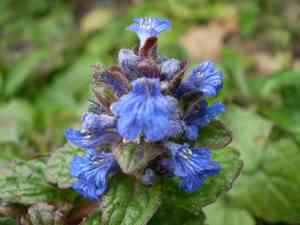
Common bugle is a perennial groundcover recognized for its thick, mat-forming growth, making it an excellent option for landscaping. Its leaves range in color from green to deep purple, and it produces striking blue to violet blooms in spring. Common bugle is not only visually appealing but also serves practical purposes such as preventing soil erosion and suppressing weeds. This resilient plant can flourish in various settings, including shaded and sunny areas, and requires relatively little upkeep, contributing to its popularity among gardeners.
Why Select Common bugle for Your Landscape Project?
Choosing Common bugle for your landscape project offers several advantages. Firstly, it's an attractive addition that provides year-round visual interest. Its capacity to grow in challenging areas makes it perfect for difficult spots like beneath trees or in shady corners. Secondly, Common bugle's rapid spread and low-growing habit help fill in spaces quickly, making it a smart choice for establishing a lush garden ground cover. Additionally, it attracts pollinators, increasing biodiversity in your garden while contributing to overall ecosystem health.
Optimal Placement for Common bugle to Maximize Visual Appeal
Best Garden Spots for Planting Common bugle
Common bugle thrives in various garden locations, making it a versatile choice for gardeners. It performs well in shaded areas where other plants might struggle, such as beneath large shrubs or trees. This makes it ideal for filling those tricky spots where grass often fails to flourish. Additionally, Common bugle can enhance the edges of garden beds, pathways, and borders, adding a finished look to these areas. It also adapts well to rock gardens and can be used to soften the edges of hardscaped areas, such as patios or driveways.
Companion Plants for Common bugle in Garden Schemes
Common bugle pairs beautifully with a variety of plants, enhancing both color and texture contrasts in your garden. For a striking display, consider planting it alongside hostas, ferns, or other shade-loving perennials. The contrasting foliage textures and colors create a visually stunning effect. In sunnier spots, pairing Common bugle with ornamental grasses or spring bulbs like tulips and daffodils can create a beautiful layering effect, as the bulbs will emerge through the Common bugle ground cover. This harmonious blending can also help in making your garden more dynamic and visually appealing.
Creative Design Concepts Using Common bugle in Your Garden
Achieving Color Contrast with Common bugle
One of the most effective ways to utilize Common bugle in your garden is to create striking color contrasts. Its rich, dark foliage can serve as a stunning backdrop for lighter-colored plants. For instance, planting Common bugle around bright, flowering perennials like coneflowers, Shasta daisies, or daylilies can create a vivid visual contrast that draws the eye. By strategically placing Common bugle to highlight colorful blooms, you can make your garden vibrant and dynamic. Additionally, you can choose different varieties of Common bugle with varying leaf colors to add even more layers of visual interest.
Integrating Common bugle into Themed Gardens
Incorporating Common bugle into themed gardens can enhance the overall design and appeal of the space. For a woodland-themed garden, combine Common bugle with native ferns, wild ginger, and shade-tolerant flowers to create a naturalistic and serene environment. In a modern or minimalist garden, Common bugle can be used to soften the edges of hardscaped elements like stone pathways or concrete patios, providing a touch of greenery without overpowering the design. Its versatility in different themes and styles makes Common bugle an indispensable plant for creative landscaping projects.
Seasonal Maintenance Advice for Common bugle
Spring and Summer Care for Common bugle
During spring and summer, Common bugle requires consistent watering, especially during dry spells, to maintain its lush appearance. It's crucial to keep the soil consistently moist but well-drained to prevent root rot. Early spring is also the ideal time to fertilize Common bugle with a balanced, slow-release fertilizer to support its growth and flowering. Regularly remove any spent blooms and dead leaves to keep the plant looking neat and to encourage new growth. Additionally, consider dividing Common bugle every two to three years in the spring to prevent overcrowding and promote healthy vigor.
Autumn and Winter Strategies for Common bugle Upkeep
As autumn approaches, prepare Common bugle for winter by reducing watering frequency and allowing the plant to naturally enter its dormant phase. Mulching around the base of the plants can help protect roots during harsh winter conditions. In preparation for winter, trim back any overly long runners and clean up any fallen debris to reduce the risk of disease. Common bugle is generally hardy, but in extremely cold climates, additional winter protection like a frost cloth may be necessary. Come spring, clean up any winter damage, and your Common bugle will be ready to thrive once again.
Visual Impact of Common bugle in Outdoor Settings
Examples and Case Studies of Common bugle in Contemporary Landscaping
Modern landscapes often feature Common bugle as a key component due to its aesthetic and functional properties. One case study involves a public park where Common bugle was used to replace grass under a canopy of mature trees. The result was a lush, low-maintenance ground cover that enhanced the park's aesthetics and reduced upkeep costs. Another example is a residential property where Common bugle was integrated into a shaded garden, creating a cohesive look with minimal fuss. These real-world applications demonstrate how Common bugle can be effectively used in both public and private landscapes to great effect.
How Common bugle Can Transform the Appearance and Feel of Your Outdoor Areas
Incorporating Common bugle into your garden can dramatically transform the look and feel of your outdoor spaces. Its ability to create dense, carpet-like ground cover adds a sense of fullness and continuity to your landscape. The vibrant foliage and seasonal flowers can brighten up otherwise dull areas, making your garden feel more inviting and well-maintained. By using Common bugle creatively, you can achieve a polished look that enhances both the beauty and functionality of your garden, ultimately making your outdoor spaces more enjoyable and appealing year-round.



