Enhancing Your Garden Design with the Common corncockle Plant: A Landscaping Guide
1
Adding Common corncockle can enhance your garden's aesthetic.
2
Common corncockle flourishes optimally with timely planting and consistent seasonal care.
3
Sustainable gardening practices with Common corncockle support environmental health.
An Introduction to Incorporating Common Corncockle into Landscape Designs
Understanding the Aesthetic Appeal of Common Corncockle
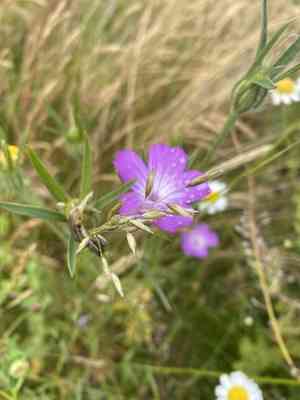
The allure of Common Corncockle stems from its delicate form and striking hue, making it a prominent feature in any garden. Its blossoms introduce a burst of color that can elevate your landscape's visual charm. Moreover, Common Corncockle's tall, slender stems gracefully sway with the breeze, adding a dynamic element to your garden. Whether aiming for a rustic, cottage-style garden or a more contemporary look, Common Corncockle can seamlessly integrate into various design concepts.
Advantages of Including Common Corncockle in Garden Plans
Integrating Common Corncockle into your garden scheme offers both aesthetic and ecological benefits. Beyond its beauty, Common Corncockle is known to attract beneficial insects such as bees and butterflies, promoting pollination and contributing to the local ecosystem's well-being. Furthermore, its relatively low maintenance demands mean that even beginner gardeners can enjoy beautiful flowers without excessive time or effort. This makes Common Corncockle an excellent choice for creating an attractive garden space with minimal fuss.
Design Concepts for Integrating Common Corncockle into Your Landscape
Creating Visual Anchors with Common Corncockle
To generate visual interest in your garden, consider utilizing Common Corncockle as a focal point. You can group them to draw attention to specific areas, such as the entry of a garden path or a seating area. Their vibrant flowers will naturally capture the eye, making them effective in grounding your garden design. Employing varied heights and densities can enhance the effect, giving your garden a structured yet abundant appearance.
Border Planting Concepts with Common Corncockle
Using Common Corncockle in border plantings can provide definition and structure to your garden. Plant them along the edges of flower beds or as a natural division between different garden zones. The contrast between Common Corncockle's blooms and the surrounding greenery helps create a crisp, neat look. Additionally, planting them in borders ensures their beauty is highlighted without overshadowing other plants in your garden.
Companion Plants and Color Palettes for Common Corncockle
Common Corncockle pairs beautifully with a variety of plants, allowing for imaginative color schemes. Consider combining them with other wildflowers or contrasting them with foliage plants for a balanced appearance. Whites, purples, and yellows serve as excellent complementary colors, enhancing Common Corncockle's natural beauty without competing for attention. Incorporating plants with diverse textures and sizes can also add depth and intrigue to your garden composition.
Seasonal Considerations for Common Corncockle in Your Garden
Optimal Planting Periods for Common Corncockle's Best Growth
To ensure Common Corncockle flourishes in your garden, it's vital to plant them at the most suitable time. Typically, the ideal time to plant Common Corncockle is in early spring or autumn, when the soil is cool and moist. Planting during these periods helps establish robust root systems, promoting better flower production. Be sure to follow local planting guidelines for the best outcomes in your specific climate.
How to Maintain Common Corncockle's Vibrancy Throughout the Seasons
Sustaining Common Corncockle's vibrancy throughout the growing season involves several practices. Regular deadheading, or removing faded flowers, encourages new blooms and maintains a neat appearance. Adequate watering, especially during dry periods, ensures the plants remain healthy and lively. Finally, mulching around the base can help retain soil moisture and suppress weeds, providing an ideal environment for Common Corncockle to thrive.
Eco-Friendly Practices with Common Corncockle
Sustainable Gardening Advice Using Common Corncockle
To garden sustainably with Common Corncockle, consider practices such as employing organic fertilizers and natural pest control methods. Composting is an excellent way to enrich the soil without chemical additives, fostering healthy plant development. Similarly, natural predators or homemade organic sprays can effectively manage pests without harming the environment. Adopting these practices ensures your garden is both attractive and environmentally conscious.
Water Conservation and Common Corncockle: Best Approaches
Efficient water usage is crucial for an eco-friendly garden. For Common Corncockle, this means watering deeply but infrequently to encourage deep root growth. Utilizing drip irrigation systems or soaker hoses can minimize water waste and ensure moisture reaches the roots directly. Mulching also plays a significant role in water conservation, as it helps retain soil moisture and reduces the need for frequent watering.
Typical Issues and Solutions When Landscaping with Common Corncockle
Addressing Common Pests and Diseases Affecting Common Corncockle
While Common Corncockle is relatively resilient, it can still be susceptible to pests and diseases. Common problems include aphids, powdery mildew, and root rot. Implementing integrated pest management strategies can be beneficial. For instance, introducing beneficial insects like ladybugs can keep aphid populations in check. Ensuring proper spacing and good air circulation reduces the likelihood of fungal diseases, keeping your plants healthy and thriving.
Soil and Sunlight Needs for Healthy Common Corncockle Growth
Common Corncockle prefers well-drained, loamy soil and flourishes in full sun to partial shade. Ensure your garden bed meets these conditions to support vigorous growth. Conduct a soil test if necessary to adjust pH levels and nutrients. Additionally, planting Common Corncockle in a location with ample sunlight ensures they receive the energy required for photosynthesis, resulting in more vibrant and abundant blooms.



