Enhancing Your Garden Design with the Chinese evergreen Plant: A Landscaping Guide
1
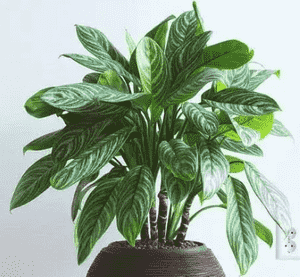
Aglaonema is a versatile plant that flourishes in dim to moderate illumination, making it suitable for various garden environments.
2
The distinctive leaves of Aglaonema contribute an air of sophistication and calmness to any outdoor aesthetic.
3
Appropriate maintenance, such as sufficient hydration and nourishment, is crucial for preserving the vitality and appeal of Aglaonema.
Appreciating the Beauty of Chinese Evergreen
The visual impact of Chinese evergreen in garden settings
The aesthetic appeal of Chinese evergreen is undeniable. Its lush, green foliage radiates a sense of calm and tranquility, making it an excellent addition to any garden. With its broad leaves and gentle curves, Chinese evergreen can act as a focal point or complement other plants. The green tones of Chinese evergreen are pleasing to the eye and offer a refreshing contrast to the brighter colors often found in flower gardens. By incorporating Chinese evergreen into your landscape, you'll create a harmonious and balanced visual experience that can be enjoyed year-round.
Complementary plants for Chinese evergreen in landscape design
Choosing suitable companion plants for Chinese evergreen can enhance your garden's overall beauty. Consider pairing Chinese evergreen with ferns or hostas for a rich, woodland appearance. These plants share similar light and water needs, creating a cohesive and visually appealing design. For a more vibrant scene, combine Chinese evergreen with flowering plants like begonias or impatiens, which add splashes of color without overshadowing the subtle elegance of Chinese evergreen. The key is to select plants that thrive in similar conditions to ensure harmony and easy upkeep.
Color and texture contrasts with Chinese evergreen
In landscape design, contrasting colors and textures create visual interest and depth. Chinese evergreen offers a smooth, glossy texture that contrasts beautifully with coarser plants. Consider incorporating ornamental grasses or spiky plants like yucca to juxtapose the soft, broad leaves of Chinese evergreen. This contrast not only highlights each plant's unique features but also adds a dynamic element to your garden. Color-wise, the deep green of Chinese evergreen can be paired with silver foliage plants like dusty miller or creamy white flowers to create a visually striking landscape.
Optimal Placement for Chinese Evergreen in Your Garden
Selecting the ideal location for health and beauty
Placing Chinese evergreen in the correct spot is vital for its growth and your landscape's overall aesthetics. Chinese evergreen thrives in shaded to partially shaded areas, making it perfect for locations under trees or near structures that block direct sunlight. This adaptability ensures that Chinese evergreen remains healthy and vibrant, contributing beauty and elegance to your garden. Position Chinese evergreen where its foliage can be admired up close or in strategic locations to draw attention, such as along pathways or near garden seating areas.
Considering sunlight and shade requirements
Chinese evergreen flourishes in low to medium light environments, preferring indirect sunlight. Excessive direct sun can scorch its leaves, while insufficient light can hinder its growth and vibrancy. An ideal spot might be on the north or east side of your home where it can receive filtered light throughout the day. If you're planting Chinese evergreen indoors or in a shaded garden, ensure it gets some indirect natural light to keep it healthy and lush.
Integrating Chinese evergreen with outdoor structures
Outdoor structures like patios, pergolas, or gazebos can be enhanced by the presence of Chinese evergreen. Its elegant leaves can soften the harsh lines of these structures and create a more inviting and natural space. Consider placing Chinese evergreen in large pots around seating areas or along the perimeter of patios to create a lush, enveloping environment. This plant can also be used to accentuate entryways or garden alcoves, adding a touch of greenery and tranquility to constructed elements.
Maintaining Chinese Evergreen in Your Landscape
Watering regime for optimal growth
To keep Chinese evergreen flourishing, consistent and appropriate watering is crucial. This plant prefers moist but not waterlogged soil. Water Chinese evergreen when the top inch of the soil feels dry to the touch. Overwatering can lead to root rot, while underwatering can cause the leaves to brown and curl. During hot, dry periods, increase watering frequency, ensuring the plant stays hydrated and healthy. Be mindful of the soil's drainage as well, as poor drainage can also harm the plant.
Trimming and seasonal care tips
Regular trimming helps maintain the shape and health of Chinese evergreen. Remove any brown or yellowing leaves to keep the plant looking fresh. This also prevents potential disease spread. Seasonal care includes adjusting watering and feeding routines - reduce watering slightly during cooler months when the plant's growth slows. Spring is an excellent time for repotting or dividing overgrown plants, promoting new growth and preventing overcrowding.
Soil and fertilization practices
Chinese evergreen thrives in well-draining, fertile soil. A peat-based potting mix is usually suitable, offering good drainage and nutrients. Regular, balanced fertilization during the growing season (spring and summer) will support optimal growth. Use a diluted liquid fertilizer every 4-6 weeks, and reduce feeding during the fall and winter. Ensuring the soil remains slightly acidic to neutral (pH 5.5-7) will help Chinese evergreen absorb nutrients effectively.
Seasonal Considerations for Chinese Evergreen in Landscapes
Preparing Chinese evergreen for winter
As temperatures drop, preparing Chinese evergreen for winter is crucial, especially in colder climates. Bring potted plants indoors before the first frost, placing them in a spot with indirect light. For outdoor plants, apply a layer of mulch around the base to protect the roots from freezing. Reduce watering during winter months, as the plant's growth slows down. Ensuring your Chinese evergreen is well-prepared helps it survive the winter and resume healthy growth in the spring.
Optimal seasons for planting and replanting
The best time to plant or replant Chinese evergreen is during the spring or early summer. These seasons offer the ideal conditions for root establishment and growth. When replanting, choose a cool, cloudy day to minimize stress on the plant. Ensure you water thoroughly after planting to help settle the soil around the roots. Avoid planting during extreme heat or cold to give Chinese evergreen the best chance to thrive.
Addressing pest concerns throughout the year
Chinese evergreen is relatively resistant to pests, but it can occasionally fall prey to common garden nuisances like spider mites, aphids, or mealybugs. Regularly inspect the plant for any signs of infestation, such as discolored leaves or a sticky residue. If pests are detected, treat Chinese evergreen with insecticidal soap or a mixture of water and mild dish soap. Ensure good air circulation around the plant to prevent fungal issues, and keep leaves clean by gently wiping them with a damp cloth.



