Enhancing Your Garden Design with the Flossflower Plant: A Landscaping Guide
1
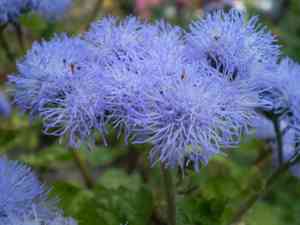
Ageratum provides vivid hues and interesting feel to any garden setting.
2
This plant is environmentally beneficial, aiding local biological communities.
3
Consistent, straightforward care guarantees Ageratum flourishes in diverse weather conditions.
Introducing Ageratum in Garden Design
Appreciating the Aesthetic Charm of Ageratum
When contemplating the inclusion of Ageratum in your garden, its visual appeal is likely the primary draw. Ageratum presents a distinct combination of hues and textures that can significantly elevate your garden's beauty. Its lovely blossoms offer a consistent burst of color throughout the growing season, making it an excellent choice for gardeners aiming to cultivate a lively outdoor space. The plant's compact and dense foliage complements various other plants, adding depth and visual interest to garden beds and borders.
Fundamental Characteristics Making Ageratum Garden-Ready
Beyond its aesthetic appeal, Ageratum possesses several attributes that render it an ideal addition to any garden. It's relatively simple to cultivate, requiring minimal upkeep once established. This plant flourishes in diverse soil types, making it adaptable for various garden environments. Furthermore, Ageratum is renowned for its resistance to pests and diseases, ensuring your garden remains vibrant and healthy with little intervention. Its low-growing habit also makes it an excellent ground cover, suppressing weeds and providing a lush carpet of greenery in your garden.
Designing with Ageratum: Visual Considerations
Selecting the Optimal Spot for Ageratum
Choosing the best location for Ageratum in your garden is vital for its development and visual impact. This plant prefers sunny areas but can endure partial shade, making it suitable for various garden zones. Ensure the soil drains well to prevent root rot and other moisture-related issues. Placing Ageratum along paths, borders, or in garden beds can create a unified look, while its vivid blooms attract the eye and enhance the overall landscape design.
Color Harmony: Pairing Ageratum with Other Flora
Color coordination in gardening is both an art and a science, and Ageratum is a versatile participant in this equation. Its flowers come in various shades, from cool blues to bright purples and whites, allowing you to match or contrast them with other plants in your garden. Combine Ageratum with plants that have complementary colors for a harmonious appearance or use contrasting colors to make your garden stand out. For instance, pairing Ageratum with yellow marigolds or red salvias can create a striking visual effect that captures attention.
Crafting Visual Anchors with Ageratum
Establishing focal points in your garden is crucial for directing the viewer's gaze and adding intrigue to the landscape. Ageratum can serve as a focal point due to its striking blooms and dense foliage. Planting it in clusters or as a mass planting in a specific area can draw attention and create a beautiful, eye-catching display. Additionally, utilizing Ageratum in containers or hanging baskets can heighten its visibility and make it a central feature in your garden design.
Practical Advantages of Incorporating Ageratum into Your Landscape
Ecological Benefits of Planting Ageratum
Ageratum offers several environmental advantages that contribute to a healthier garden ecosystem. This plant aids in erosion control due to its dense root system, which anchors the soil, preventing it from washing away during heavy rains. By integrating Ageratum into your garden, you support soil health and reduce the risk of erosion, which is particularly beneficial in sloped areas.
How Ageratum Contributes to the Ecosystem
Ageratum is not merely an attractive plant in the garden; it plays a crucial role in supporting local ecosystems. The plant attracts pollinators such as bees and butterflies, which are essential for the health and reproduction of many other plant species. By planting Ageratum, you create a supportive environment for these beneficial insects, promoting biodiversity and enhancing the overall health of your garden.
Ageratum Care Guidelines for Landscapes
Seasonal Maintenance for Ageratum
Caring for Ageratum is straightforward, requiring some attention throughout different seasons. During the active growth period, consistent watering is essential to keep the soil moist but not waterlogged. In the spring, consider removing spent flowers to encourage continuous blooming. Mulching around your plants can help retain moisture and control weeds. As winter approaches, reducing watering and trimming back the foliage will prepare the plant for dormancy. These seasonal care tips ensure that Ageratum remains healthy and vibrant year-round.
Common Issues and Simple Solutions
Gardeners may encounter a few difficulties when cultivating Ageratum, but there are direct solutions to overcome them. One common problem is powdery mildew, which can be managed by ensuring adequate air circulation and avoiding overhead watering. Pests like aphids can be controlled by introducing natural predators such as ladybugs or using insecticidal soap. Regularly inspecting your plants and promptly addressing any issues will keep Ageratum thriving and free from common garden problems.
Creative Applications of Ageratum in Diverse Landscape Styles
Utilizing Ageratum in Formal Garden Layouts
In formal garden designs, Ageratum can provide structure and symmetry. Use it to line pathways, create symmetrical borders, or define garden beds. The plant's uniform growth pattern and vibrant blooms contribute to the neat and orderly appearance characteristic of formal gardens.
Integrating Ageratum into Cottage-Style Gardens
Ageratum is also a perfect fit for cottage-style gardens, where its informal and lush growth contributes to the charm and whimsy of this design. Plant Ageratum alongside other classic cottage plants like roses, lavender, and daisies, creating a beautiful mix of colors and textures. Its soft blooms add a touch of romance and nostalgia to the garden, evoking a quaint, storybook feel.
Innovative Concepts for Ageratum in Contemporary Landscaping
For those inclined towards modern landscaping, Ageratum offers opportunities for creative and innovative uses. Consider planting it in geometric patterns or using it in vertical gardens to add a contemporary twist. Its vibrant colors can offset minimalist designs, adding a burst of life and personality without overwhelming the clean lines and simplicity of modern landscapes.



