Enhancing Your Garden Design with the Red buckeye Plant: A Landscaping Guide
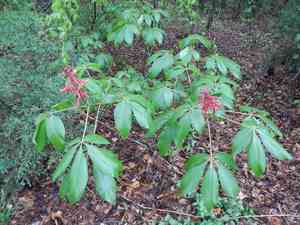
1
Red buckeye adapts well to diverse soil conditions, offering versatility for various garden settings.
2
Thoughtful placement of Red buckeye in your garden can establish striking focal points and elevate its visual appeal.
3
Red buckeye contributes to aesthetic value while also benefiting local fauna and ecological diversity, positioning it as an environmentally conscious landscaping option.
Introducing Red Buckeye in Garden Design
Understanding the distinct charm of Red Buckeye in outdoor spaces
The allure of Red Buckeye stems from its striking look and adaptability. With its vivid and showy blooms, Red Buckeye can become a prominent feature in any garden, offering a burst of color and a touch of sophistication. These plants are renowned for their beautiful, rich flowers that can brighten up even the dullest areas. Beyond its visual appeal, Red Buckeye also provides practical advantages. Its ability to adapt to various climates and soil types means it's relatively simple to maintain, making it an excellent choice for both new and experienced gardeners.
Red Buckeye's role in classic and contemporary landscape designs
Whether you're aiming for a traditional garden aesthetic or a modern layout, Red Buckeye integrates seamlessly. Historically, Red Buckeye has been utilized in garden borders and as decorative trees on large estates due to its impressive flowering and foliage. In modern landscaping, the clean lines and vibrant hues of Red Buckeye contribute to minimalist and sleek garden aesthetics. Its capacity to blend with diverse garden themes and styles makes Red Buckeye a versatile element in landscape planning.
Selecting the Optimal Site for Red Buckeye
Factors to consider prior to planting Red Buckeye
When planning to plant Red Buckeye, evaluate the amount of sunlight, soil quality, and available space. Red Buckeye flourishes in areas with ample sunlight but can also endure partial shade. The soil should drain well to prevent water accumulation, which can be harmful to its development. Furthermore, ensure there's sufficient room for Red Buckeye to mature fully without being crowded by other plants, allowing it to display its beauty.
How placement influences Red Buckeye's growth and appearance
The placement of Red Buckeye significantly impacts its vitality and visual appeal. Positioning it in a spot with at least 6 hours of direct sunlight allows it to achieve optimal flowering. However, partial shade can be beneficial in hotter climates, preventing leaf scorch. Additionally, proper spacing ensures adequate air circulation, reducing disease risk. A well-chosen location enables Red Buckeye to develop a robust root system, enhancing its overall strength and longevity.
Incorporating Red Buckeye with Other Plants
Companion plants that enhance Red Buckeye's beauty
Pairing Red Buckeye with complementary plants can magnify its visual impact. Consider combining it with native grasses or perennial flowers that can highlight its blossoms without overshadowing them. Plants like lavender or other low-maintenance perennials create an attractive backdrop, while evergreens can offer a contrast in color and texture, making Red Buckeye stand out even more.
Advice for creating a balanced plant arrangement
To create a cohesive and harmonious plant palette, select plants with similar water and light requirements as Red Buckeye. This ensures that all plants in the arrangement thrive together. Balance the color scheme by choosing plants that either contrast with or complement the vibrant flowers of Red Buckeye. Additionally, mixing different heights and textures can add depth and interest to your garden, making Red Buckeye a focal point in a thoughtfully designed landscape.
Seasonal Considerations for Red Buckeye
What to anticipate during each season
Throughout the year, Red Buckeye offers distinct visual and sensory experiences. In spring, it bursts into bloom, adding vibrant colors to the garden. During summer, expect lush, green foliage that creates a cooling effect. As autumn approaches, Red Buckeye undergoes a transformation with its leaves turning to rich hues of red and gold. In winter, even though it might lose its leaves, Red Buckeye still adds structure and form to the garden landscape.
Preparing Red Buckeye for changing seasons
To keep Red Buckeye healthy through the seasons, proper preparation is crucial. Mulching around the base in the fall helps insulate the roots during winter. Regular pruning in late winter or early spring encourages new growth and ensures a robust flowering season. Additionally, consistent watering during dry spells, especially in summer, maintains its vitality, while ensuring good drainage prevents root rot during rainy periods.
Environmental Advantages of Including Red Buckeye in Your Garden
Contribution to local ecosystems
Planting Red Buckeye offers significant ecological benefits. Its flowers attract important pollinators like bees and butterflies, playing a crucial role in the pollination of other plants in your garden. Additionally, the dense foliage provides shelter and nesting opportunities for various birds and small animals, promoting a healthier and more vibrant ecosystem.
Supporting biodiversity with Red Buckeye
Including Red Buckeye in your garden is a step towards supporting biodiversity. It acts as a habitat and food source for a variety of species, encouraging a balanced and thriving garden environment. By integrating Red Buckeye, you contribute to the preservation of native flora and fauna, fostering a garden that is not only beautiful but also ecologically sound.



