Enhancing Your Garden Design with the Horse Chestnut Plant: A Landscaping Guide
1
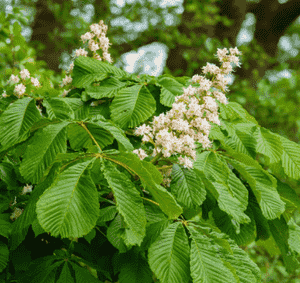
The Horse Chestnut is recognized for its impressive and expansive crown, offering abundant shade.
2
Thoughtfully positioning a Horse Chestnut can boost both the visual appeal and environmental benefits of your property.
3
Horse Chestnut trees display vivid color shifts throughout the seasons, making them a visually captivating option all year.
Introducing Horse Chestnut in Landscape Design
Overview of Horse Chestnut's distinctive characteristics
Horse Chestnut distinguishes itself in any setting with its expansive, shaded canopy and vivid seasonal transformations. Its sizable, palmate leaves and striking flower clusters make it a captivating addition to any garden or park. Moreover, its robust trunk and dense foliage offer structure and depth to garden layouts, making it a preferred choice among landscape designers.
Why consider Horse Chestnut for your landscape requirements?
Incorporating Horse Chestnut into your landscape plans provides not only aesthetic advantages but also practical ones. This tree offers significant shade, which can be a blessing during hot summer months. Furthermore, its resilient nature means it requires relatively little upkeep once established. This makes Horse Chestnut an excellent option for those seeking both beauty and utility in their garden spaces.
Strategic Placement of Horse Chestnut in Gardens and Public Spaces
Selecting optimal locations for visual impact
Positioning Horse Chestnut thoughtfully within your garden or park is essential for maximizing its visual effect. Consider planting it as a central feature in open areas where its complete form can be admired. Its considerable size makes it suitable as a centerpiece in large gardens or along avenues in parks, offering a grand and impressive view.
Balancing sunlight and shade with Horse Chestnut
Horse Chestnut flourishes in both full sun and partial shade, making it adaptable for various garden spots. Its large leaves cast a substantial amount of shade, which can help create cooler, shaded zones in your garden. This makes it perfect for planting near patios, play areas, or as a natural overhead cover for seating spots.
Proximity to other plants and structures
When integrating Horse Chestnut into your landscape, account for its growth potential and ultimate size. Ensure it is planted away from buildings and smaller plants that might struggle in its shade or be overshadowed by its development. Provide ample space for its roots and canopy to expand without encroaching on other garden elements.
Ecological Advantages of Incorporating Horse Chestnut
Contribution to local biological diversity
Horse Chestnut plays a vital role in enhancing local biodiversity. Its blossoms attract a variety of pollinators, including bees and butterflies, which are crucial for a healthy ecosystem. Additionally, the tree provides shelter and sustenance for various bird species and small mammals, fostering a richer, more diverse garden environment.
Benefits for the soil and surrounding plant life
Horse Chestnut benefits the soil and nearby vegetation through its extensive root system, which helps prevent soil erosion and maintain soil structure. The fallen leaves enrich the soil's organic matter, boosting fertility and supporting the growth of adjacent plants. This natural mulching effect also aids in retaining soil moisture and suppressing weeds.
Seasonal Transformations and Visual Effects of Horse Chestnut
Display of colors throughout the seasons
One of the most striking attributes of Horse Chestnut is its vibrant color display throughout the year. In spring, it showcases stunning flower spikes that add bright hues to the landscape. During autumn, its leaves transform into warm oranges and reds, providing a spectacular show of fall foliage. This seasonal variation ensures that Horse Chestnut remains a visually appealing feature in your garden year-round.
Maintaining year-round aesthetic appeal
Beyond its seasonal changes, Horse Chestnut retains its aesthetic charm with its sturdy and attractive form. Even in winter, its bare branches add a unique structural element to garden landscapes. Regular care, such as pruning and feeding, keeps it healthy and looking its best, ensuring it continues to be a prominent feature in your landscape.



