Enhancing Your Garden Design with the Ohio buckeye Plant: A Landscaping Guide
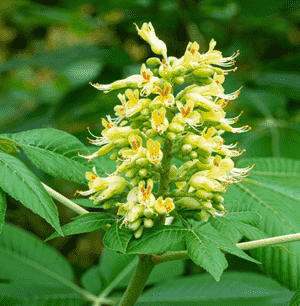
1
Selecting an appropriate location for Ohio buckeye guarantees its best development and aesthetic appeal.
2
Ohio buckeye complements diverse plant species, forming attractive garden designs.
3
Beyond its beauty, Ohio buckeye benefits local fauna and demands little upkeep.
Introducing Ohio Buckeye to Your Garden Space
Understanding the Spatial Requirements of Ohio Buckeye
When considering adding Ohio Buckeye to your property, it's vital to grasp its size needs. This tree can grow quite large, so you'll need ample room for its mature dimensions, which can reach up to 50 feet tall and 45 feet wide. Ensuring Ohio Buckeye has sufficient space to develop without impeding structures or other plants will lead to a healthier, more attractive garden.
Choosing the Ideal Location for Ohio Buckeye
Select a site with well-drained soil and sufficient sunlight, as Ohio Buckeye thrives best in these conditions. It's crucial to avoid areas prone to waterlogging, which can harm the tree's root system. Position Ohio Buckeye where it can receive full sun to partial shade throughout the day to encourage robust growth and vibrant foliage.
Why Ohio Buckeye is a Fit for Diverse Landscapes
Ohio Buckeye is a versatile addition to any garden, integrating smoothly into various landscape designs. Whether you have a traditional garden, a naturalistic setting, or a more contemporary outdoor area, Ohio Buckeye's unique characteristics and resilient nature make it an excellent choice. Its adaptability to different soil types and environmental conditions further enhances its appeal as a centerpiece of your garden.
Pairing Ohio Buckeye with Other Plants
Complementary Plants that Thrive Alongside Ohio Buckeye
To maximize your garden's visual appeal, consider pairing Ohio Buckeye with compatible plants that flourish in similar environments. Perennials like hostas, daylilies, and ferns can create a lush, green understory that enhances Ohio Buckeye's presence. These plants not only complement Ohio Buckeye visually but also share similar light and soil requirements, ensuring harmonious development.
Color Coordination with Ohio Buckeye's Features
Strategically incorporate plants that highlight or contrast with the seasonal changes in Ohio Buckeye's leaves. For instance, flowering shrubs with bright blooms such as azaleas and rhododendrons can contrast beautifully with Ohio Buckeye's green foliage in spring and summer. In autumn, the striking red and orange leaves of Ohio Buckeye can be complemented by the deep, rich tones of ornamental grasses or fall-blooming perennials.
Seasonal Considerations for Plant Pairings
When planning your garden, consider the seasonal dynamics to ensure year-round appeal. Spring bulbs like tulips and daffodils can provide early color before Ohio Buckeye fully leafs out. In summer, ground covers and annuals can fill in gaps, adding vibrancy and diversity. By thinking seasonally, you can ensure your landscape remains lively and attractive throughout the year, even as Ohio Buckeye's appearance changes.
Benefits of Ohio Buckeye in Landscape Designs
Aesthetic Appeal and Seasonal Color
One of the most compelling reasons to include Ohio Buckeye in your landscape design is its visual charm. This tree offers an ever-changing display across the seasons, with lush green foliage in spring and summer, and stunning red and orange hues in autumn. These seasonal transformations create dynamic and visually engaging garden scenery, adding depth and interest to your outdoor space.
Wildlife Attraction and Biodiversity Support
Ohio Buckeye is not only beautiful but also plays a vital role in supporting local wildlife. Its flowers attract pollinators like bees and butterflies in spring, while its seeds provide food for birds and small mammals in fall. By including Ohio Buckeye in your garden, you're contributing to the local ecosystem's health and promoting biodiversity.
Sustainability and Low Maintenance Aspects of Ohio Buckeye
For gardeners seeking sustainable and low-maintenance options, Ohio Buckeye is an excellent choice. Once established, it requires minimal care, thriving with occasional watering and pruning. Its ability to adapt to various soil conditions reduces the need for soil amendments or chemical treatments, making it an environmentally friendly addition to any garden.
Maintaining Ohio Buckeye in Your Landscape
Basic Maintenance Tips for Ohio Buckeye
Maintaining Ohio Buckeye involves a few straightforward steps to ensure its health and vigor. Regular watering, especially during dry spells, helps young trees establish strong roots. Mulching around the base can help retain moisture and suppress weeds. Annual pruning to remove dead or weak branches promotes healthy growth and maintains its form.
Seasonal Care Strategies
Different seasons demand different care approaches for Ohio Buckeye. In spring, inspect for any winter damage and prune as needed. Summer care involves consistent watering and monitoring for pests or diseases. In fall, you can enjoy the colorful foliage, and consider adding a layer of mulch before winter to protect the roots from extreme cold.
Dealing with Common Challenges
Like any garden plant, Ohio Buckeye can face issues such as pests, diseases, and environmental stressors. Common problems include leaf scorch, leaf blotch, and susceptibility to certain insects. Address these by ensuring proper watering, maintaining good air circulation around the tree, and using organic pest control methods when necessary. By staying vigilant and proactive, you can ensure Ohio Buckeye remains a healthy and vibrant part of your garden.



