Enhancing Your Garden Design with the Tree aeonium Plant: A Landscaping Guide
1
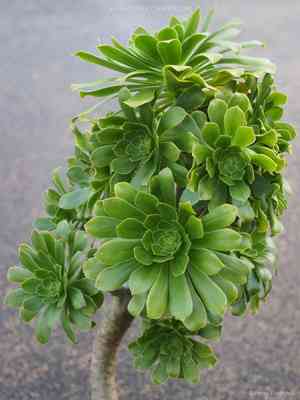
Tree aeonium offers distinct textural and aesthetic appeal in any garden environment.
2
This species requires minimal upkeep, ideal for gardeners with limited time.
3
Tree aeonium flourishes optimally in permeable soil and bright locations, yet can endure some shade.
Introducing Tree Aeonium to Your Landscape
What is Tree Aeonium and why is it favored in contemporary gardens?
When planning garden enhancements, selecting plants that offer both beauty and utility is key. Tree Aeonium, also known as Tree aeonium, has gained popularity due to its distinct and striking appearance. With rosettes of succulent leaves in various shades of green, burgundy, and purple, Tree Aeonium can easily become a garden's focal point. Its sculptural form and resilience make it a top choice for modern gardeners aiming to add depth and texture to their outdoor spaces.
Advantages of integrating Tree Aeonium into your garden design
Incorporating Tree Aeonium into your landscape design provides numerous benefits. Firstly, it's a drought-tolerant plant, making it ideal for regions with water restrictions or arid climates. Secondly, its low-maintenance nature means it requires minimal upkeep, perfect for busy homeowners. Furthermore, Tree Aeonium adds year-round visual interest to your garden, with its colorful rosettes retaining their beauty through all seasons. Lastly, this plant is adaptable and suits various garden styles, from Mediterranean to contemporary, and even container plantings.
Selecting the Optimal Spot for Tree Aeonium
Factors to consider when choosing a location for Tree Aeonium
Choosing the ideal spot for Tree Aeonium is vital for maximizing its visual appeal. Key considerations include sun exposure, soil quality, and available space. Tree Aeonium thrives in locations receiving at least six hours of sunlight daily. Ensure the soil drains well, as Tree Aeonium dislikes sitting in waterlogged conditions. Space is also important; avoid overcrowding by planting with sufficient room for the plant to spread and display its natural beauty.
Perfect conditions for enhancing Tree Aeonium's visual impact
To truly showcase Tree Aeonium's best features, providing optimal conditions is essential. While it can tolerate partial shade, full sunlight helps develop more vibrant leaf colors. Planting Tree Aeonium in raised beds or rock gardens can also improve drainage and create a natural, flowing aesthetic. Pairing the plant with light-colored mulch or decorative stones can heighten its contrast, allowing it to become a focal point in any garden setting.
Design Concepts with Tree Aeonium
Combining Tree Aeonium with other plants: Companion choices and arrangement
Tree Aeonium's adaptability makes it an excellent companion plant for various garden species. When designing with Tree Aeonium, consider pairing it with drought-tolerant plants like Sedums, Agaves, and other succulents to create a harmonious and sustainable garden. Additionally, contrasting Tree Aeonium's bold rosettes with softer plants like ornamental grasses or flowering perennials can create a dynamic and balanced visual scheme. The layout should ensure adequate spacing for Tree Aeonium's unique growth pattern and its companions, maintaining an organized yet natural look.
Creating garden focal points using Tree Aeonium
Establishing focal points in your garden can significantly boost its aesthetic appeal, and Tree Aeonium is perfect for this role. Use Tree Aeonium as a centerpiece in a succulent arrangement, or place it in decorative pots to draw attention to outdoor seating areas or entryways. The plant's eye-catching rosettes naturally command attention, making them ideal for anchoring garden beds or highlighting architectural elements like garden walls, pergolas, and water features. By strategically positioning Tree Aeonium at key visual points, you can guide visitors through the garden while showcasing the plant's striking beauty.
Maintaining Long-Term Aesthetic Value
Practical tips for keeping Tree Aeonium thriving with minimal effort
Keeping Tree Aeonium in prime condition is both straightforward and rewarding. Despite its low-maintenance reputation, a few practical tips can ensure its longevity and continued aesthetic appeal. Regularly remove dead or dying leaves to maintain a tidy appearance. Water Tree Aeonium sparingly, allowing the soil to dry out between watering sessions to prevent root rot. Occasional light feeding with a balanced fertilizer can support robust growth and vibrant color. Additionally, protect the plant from severe frost by moving it indoors or covering it during cold periods.
Seasonal considerations for Tree Aeonium in landscape settings
Seasonal changes can affect Tree Aeonium's appearance and health, so adapting your care routine is crucial. During the active growing season, typically spring and summer, ensure the plant receives sufficient sunlight and water. In autumn, reduce watering to prepare the plant for dormancy. Winter care involves protecting Tree Aeonium from frost and extreme cold by covering it or bringing potted versions indoors. Pruning after the winter months can encourage new growth and help the plant maintain its shape, ensuring it remains a strong visual presence year-round.
Creative Projects Featuring Tree Aeonium
Case studies: Successful landscape designs incorporating Tree Aeonium
Numerous garden designers have successfully integrated Tree Aeonium into their projects with stunning outcomes. For instance, a Southern California homeowner transformed their arid yard into a vibrant xeriscape using Tree Aeonium and other succulents. The plant was strategically placed around large rocks to emulate a natural desert landscape. Another project in a Mediterranean-style garden in Spain utilized Tree Aeonium alongside olive trees and lavender fields, creating a visually appealing and low-maintenance landscape that flourished in the local climate.
How Tree Aeonium can transform ordinary garden spaces
Tree Aeonium has the potential to redefine common garden areas, giving them a unique and modern flair. Consider using Tree Aeonium in vertical gardens or green walls, where its rosettes can cascade downwards, forming a living work of art. Another innovative idea is incorporating Tree Aeonium into rooftop gardens, where its low water requirements and structural form make it perfect for elevated environments. By thinking beyond traditional ground level, you can use Tree Aeonium to transform patios, balconies, and other unconventional spaces into vibrant, engaging garden features.



