Enhancing Your Garden Design with the Noble yarrow Plant: A Landscaping Guide
1
Noble yarrow is a adaptable plant suitable for diverse garden environments.
2
Noble yarrow exhibits changing colors and sizes throughout the year, providing lively visual appeal.
3
Noble yarrow serves both decorative functions and practical uses such as preventing soil erosion.
Exploring the Visual Charm of Noble Yarrow in Garden Design
Highlighting the distinct visual attributes of Noble yarrow
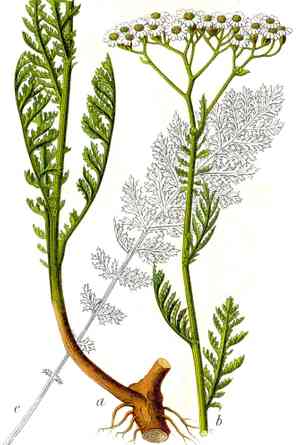
Noble yarrow presents distinct visual attributes that can elevate your garden's aesthetic appeal. With its delicate foliage and clusters of fine blossoms, Noble yarrow imparts a soft, romantic feel to any setting. The plant's flowers, typically appearing in shades of white, cream, or pale pink, offer a gentle yet striking contrast against its deep green leaves. Furthermore, Noble yarrow can complement various garden styles, from rustic to formal, adding a touch of grace and variety.
Seasonal shifts in color and height of Noble yarrow
A key attractive feature of Noble yarrow is its capacity for seasonal color and height changes. During spring and summer, Noble yarrow blooms profusely, displaying a vibrant array of its delicate flowers. As the season transitions to autumn, Noble yarrow's colors become more muted, often adopting warmer, fall-like tones. This dynamic transformation ensures your garden remains visually engaging throughout the year. Moreover, Noble yarrow grows to a moderate stature, enabling layering opportunities in your garden, adding depth and dimension to your landscape design.
Integrating Noble Yarrow with Other Plants for Harmonious Landscaping
Optimal companion plants to pair with Noble yarrow for visual balance
To achieve a harmonious and cohesive garden, consider pairing Noble yarrow with plants that complement its characteristics. Excellent companions for Noble yarrow include lavender, ornamental grasses, and salvia. Lavender's purple blooms and silver-grey foliage create a captivating contrast with Noble yarrow's colors. Ornamental grasses add texture and movement, while salvia's vibrant blues can enhance the overall color palette. By carefully selecting companion plants, you can cultivate a balanced and visually pleasing garden.
Understanding the spatial arrangement with Noble yarrow
Proper spatial arrangement is vital for creating a beautiful and functional landscape. When incorporating Noble yarrow into your garden, consider its height and spread. Position Noble yarrow in middle or back borders where its height can provide a natural layered effect. Ensure adequate spacing to allow each plant to grow without overcrowding, which promotes better air circulation and reduces disease risk. By planning the spatial arrangement carefully, you can ensure Noble yarrow thrives and enhances your garden's overall layout.
How to Utilize Noble Yarrow to Address Landscaping Challenges
Using Noble yarrow for erosion control and in arid areas
Noble yarrow is not only visually appealing but also highly practical. Its robust root system makes it an excellent choice for erosion control on slopes and hillsides. The plant's roots help stabilize the soil, preventing erosion and preserving the integrity of your landscape. Additionally, Noble yarrow is drought-tolerant, making it suitable for low-water areas. It requires minimal watering once established, ensuring your garden remains lush and green even in dry conditions. By incorporating Noble yarrow into your landscape, you can effectively tackle common gardening challenges.
Creating seclusion and reducing noise with Noble yarrow
Noble yarrow can also be used to enhance privacy and reduce noise in your garden. When planted densely, Noble yarrow can form a natural screen, providing privacy and creating secluded garden areas. Its thick foliage acts as a barrier, muffling sounds and reducing noise pollution, creating a serene and peaceful environment. Consider planting Noble yarrow along property boundaries or around seating areas to create a more private and tranquil outdoor space. This multifunctional plant not only beautifies but also contributes to the overall comfort of your garden.



