Enhancing Your Garden Design with the Tartarian maple Plant: A Landscaping Guide
1
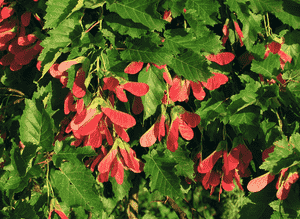
The Tartarian maple provides vivid seasonal hues, boosting your landscape's visual appeal throughout the year.
2
Place Tartarian maple in soil that drains well and receives plenty of sun for best development.
3
Regular upkeep, including trimming and managing pests, guarantees a robust and flourishing Tartarian maple.
Introducing Tartarian Maple in Garden Design
Discovering the unique visual appeal of Tartarian maple
Tartarian maple offers versatile beauty to any outdoor space with its stunning foliage, which shifts hues throughout the year. This distinct characteristic provides dynamic visual interest in gardens and yards. Its leaves are glossy green in spring and summer, often turning red in autumn, creating a captivating transformation cherished by many garden enthusiasts.
Integrating Tartarian maple into diverse landscape aesthetics
Tartarian maple effortlessly complements various landscape styles, from contemporary and minimalist to traditional and cottage gardens. Its adaptability in design is a key attribute. Whether positioned in a formal garden for structured beauty or a casual yard for a touch of grace, Tartarian maple enhances and supports the surrounding plant life.
The yearly changes of Tartarian maple in garden environments
The seasonal progression of Tartarian maple imparts a special character to any garden. Its vibrant new growth in spring signifies renewal, while its dense leafy canopy offers shade in summer. By autumn, the foliage transforms into a display of warm colors. These cyclical shifts not only boost visual appeal but also create a living landscape that evolves and charms year-round.
Designing Your Garden with Tartarian Maple
Selecting the optimal location for planting Tartarian maple
Choosing the correct spot for Tartarian maple is vital for its health and aesthetic contribution. Seek a location with well-drained soil, as Tartarian maple thrives best in such conditions. Ensure the site receives ample sunlight, ideally full sun to partial shade, to encourage robust growth and vibrant foliage. Avoid areas prone to waterlogging or deep shade, as these can hinder its development.
Companion plants that complement Tartarian maple
Pair Tartarian maple with various companion plants to foster a harmonious landscape. Ornamental grasses, perennials like hostas, and flowering shrubs can heighten visual appeal by adding texture and color contrast. Select plants that flourish in similar soil and light conditions to ensure a thriving, unified garden ecosystem.
Creating focal points with Tartarian maple in your landscape
Use Tartarian maple as a central feature in your landscape design by placing it in prominent spots, such as near entrances, patios, or along paths. Its striking foliage and seasonal color changes make it a captivating element. Surrounding Tartarian maple with understated plants can further emphasize its beauty, making it a key part of your garden's visual story.
Care Guidelines for a Healthier Tartarian Maple
Routine upkeep and seasonal care for Tartarian maple
Consistent maintenance is crucial for keeping Tartarian maple healthy and attractive. Water it deeply during dry spells, especially in its initial years to establish a strong root system. Applying mulch around the base helps retain soil moisture and deter weeds. Seasonal care, such as a balanced fertilizer application in spring, can promote vigorous growth and vivid foliage.
Pruning methods specific to Tartarian maple
Effective pruning keeps Tartarian maple in prime condition. Prune in late winter or early spring before new growth emerges. Focus on removing dead, damaged, or crossing branches to improve air circulation and light penetration. Pruning also helps maintain its shape and size, ensuring it fits well within the landscape design.
Protecting Tartarian maple from common pests and diseases
Maintain Tartarian maple's health by monitoring and managing typical pests and diseases. Aphids and scale insects are common pests that can be controlled with insecticidal soap or neem oil. Regular inspections help detect issues early, preventing severe infestations. Additionally, good garden hygiene, like removing fallen leaves and debris, can lower disease risks.



