Enhancing Your Garden Design with the Norway maple Plant: A Landscaping Guide
1
Norway maple offers excellent shade, improving the comfort of your outdoor area.
2
Norway maple tolerates diverse soil types, making it a flexible option for numerous environments.
3
Consistent trimming of Norway maple assists in preserving its vitality and visual attractiveness.
Introducing Norway Maple for Landscaping
Norway maple's contribution to sustainable landscaping
A key function of Norway maple in landscaping is its positive impact on eco-friendly practices. As a sturdy tree, Norway maple excels at capturing carbon dioxide, aiding in the reduction of greenhouse gas levels in your immediate surroundings. Beyond its carbon sequestration abilities, Norway maple offers a habitat for various bird and insect species, boosting the biodiversity of your garden or outdoor area. Its expansive canopy also helps lessen soil erosion by minimizing the force of heavy rain, making it a smart and environmentally sound option.
The aesthetic impact of Norway maple in a landscaped setting
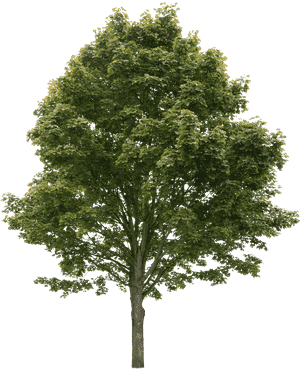
Visually, Norway maple can transform any outdoor space into a vibrant, welcoming environment. Its vivid green foliage during the active growth period offers a striking contrast against blooming plants and other greenery. In autumn, the leaves of Norway maple display a brilliant yellow, adding seasonal appeal and a stunning visual shift to your landscape. With its tall, impressive stature, Norway maple serves as a natural focal point, drawing attention and creating a sense of order and balance in your garden design.
Selecting the Ideal Spot for Norway Maple
Assessing sunlight and shade for peak growth
When choosing a site for Norway maple, it's crucial to consider its light requirements. Norway maple thrives in full sun to partial shade, meaning it needs at least six hours of direct sunlight daily. Placing your Norway maple in an area where it can receive ample morning sun while being protected from intense afternoon sun can encourage healthier development. Furthermore, Norway maple's ability to tolerate partial shade makes it suitable for gardens with varying sun exposure throughout the day.
Considering soil conditions and drainage
Soil characteristics are another vital factor for the successful growth of Norway maple. This tree prefers well-drained, slightly acidic to neutral soil. Before planting, it's advisable to test your soil's pH and composition. Enriching the soil with organic matter can enhance its structure and drainage capacity. Avoid planting Norway maple in spots where water tends to collect, as poor drainage can lead to root rot and other health issues for the tree.
Integrating Norway Maple with Other Plants
Companion plants for Norway maple
Combining Norway maple with other plants can create a harmonious landscape. Consider pairing Norway maple with shade-loving understory plants such as hostas, ferns, and astilbes. These companions flourish in the filtered light beneath Norway maple's canopy, and their diverse textures and colors can add depth and interest to your garden. Additionally, flowering shrubs like rhododendrons or azaleas can provide seasonal color that complements the foliage of Norway maple.
Design suggestions for a unified appearance
Achieving a cohesive landscape design with Norway maple involves careful planning and plant selection. Begin by positioning Norway maple as a central or background element in your garden layout. This placement allows you to build layers of plants around it, transitioning from tall to medium and low-growing species smoothly. Consider the color scheme of your plants to ensure year-round appeal. For instance, mixing evergreens with perennials can maintain a vibrant landscape even in dormant seasons. Using mulch around the base of Norway maple not only aids in moisture retention but also provides a refined look to your overall design.
Caring for Norway Maple in Your Landscape
Seasonal care and trimming
Regular upkeep of Norway maple is essential to keep it healthy and aesthetically pleasing. Seasonal pruning helps in removing dead or diseased branches, improving air circulation within the canopy, and shaping the tree. It's best to prune Norway maple in late winter or early spring before new growth emerges. This timing minimizes stress on the tree and allows it to recover quickly. Proper grooming also involves clearing fallen leaves in autumn to prevent potential pest infestations.
Long-term vitality and recognizing signs of trouble
Ensuring the long-term health of Norway maple requires consistent monitoring for signs of pests, diseases, or stress. Look for symptoms like discolored leaves, unusual leaf drop, or dead branches. Early detection of issues like leaf scorch or fungal infections can prevent significant damage. Regular fertilization, especially during the growing season, can provide the necessary nutrients for vigorous growth. Moreover, maintain a watering schedule, particularly during dry periods, to support the tree's hydration needs.
Common Questions
What is the optimal time to plant Norway maple for best landscaping results?
The ideal period to plant Norway maple is during early spring or late fall. These seasons offer moderate temperatures and ample rainfall, which help the tree establish a strong root system before the challenges of summer heat or winter cold. Ensure you choose a time when the ground is workable and not frozen to give your Norway maple the best start in its new location.
What are the typical difficulties in cultivating Norway maple?
Growing Norway maple presents a few potential challenges. A common issue is the tree's susceptibility to pests like aphids and diseases such as tar spot and anthracnose. Additionally, incorrect pruning can lead to weak branch structures. Implementing good cultural practices, such as proper watering, mulching, and timely pruning, can alleviate many of these difficulties. It's also crucial to inspect the tree regularly, addressing any signs of distress promptly to maintain its health and longevity.



