Enhancing Your Garden Design with the Japanese maple Plant: A Landscaping Guide
1
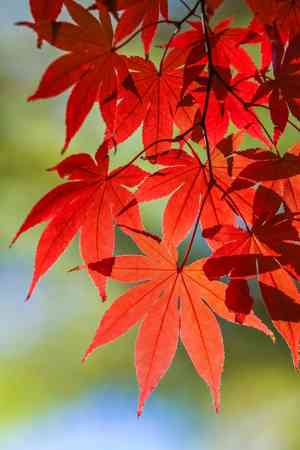
Japanese maple offers a distinct visual appeal, fitting seamlessly into both classic and modern garden layouts.
2
Pair Japanese maple with other plant varieties that accentuate its vivid hues and fine textures.
3
Factor in the seasonal shifts to fully appreciate Japanese maple's enduring charm throughout the year.
Introduction to Japanese Maple in Outdoor Spaces
Overview of Japanese Maple's Influence on Garden Beauty
Garden design greatly benefits from the distinct and captivating charm of Japanese maple. This plant is recognized for its uniquely delicate foliage and rich coloration, spanning from deep crimson to vibrant green. Its intricate leaf patterns and diverse hues establish it as a focal point in any garden setting. Whether aiming to create shaded sanctuaries or prominent features in larger areas, Japanese maple offers remarkable aesthetic contributions. It integrates seamlessly into various garden styles, imparting both tranquility and sophistication.
The Popularity of Japanese Maple in Contemporary Landscape Designs
In current landscape architecture, Japanese maple has experienced a surge in demand due to its adaptability and striking appearance. Urban gardens, suburban properties, and even commercial sites increasingly feature this plant. Designers value its flexibility across different aesthetics, from minimalist and zen gardens to more dynamic and colorful landscapes. This rise in popularity can be attributed to the plant's capacity to stand out, thrive in diverse environments, and leave a lasting impression with its seasonal transformations.
Integrating Japanese Maple with Other Flora
Complementary Plant Varieties for Japanese Maple
To maximize Japanese maple's visual appeal, select companion plants that highlight its beauty. Species such as hostas, ferns, and azaleas work exceptionally well, creating a lush and multi-layered look. These plants not only complement Japanese maple's color but also offer textural contrast, enhancing the overall effect. When choosing companion plants, consider those that flourish in similar soil and light conditions to ensure a harmonious and sustainable landscape.
Creating Color and Texture Contrast with Japanese Maple
Crafting a visually engaging garden involves a thoughtful blend of colors and textures. Japanese maple excels in this aspect with its vivid foliage and intricate leaf structure. Pairing Japanese maple with plants that provide different textures, such as ornamental grasses or ground covers, can bring out the best in both. Furthermore, incorporating plants with complementary or contrasting colors, like blue hydrangeas or yellow lilies, ensures that Japanese maple's hues stand out prominently, providing a balanced and visually captivating garden design.
Placement and Positioning of Japanese Maple in Your Garden
Where to Plant Japanese Maple for Optimal Growth and Visibility
Strategic placement of Japanese maple in your garden is crucial for both its health and aesthetic impact. Ideally, position it in a spot that offers partial shade, as excessive direct sunlight can scorch its delicate leaves. Placing Japanese maple as a central feature in a prominent area, such as the middle of a garden bed or at a pathway's corner, draws attention to its beauty. Ensure it has ample room to grow and spread its branches, allowing its natural form to develop fully.
Considering Sunlight and Shading for Japanese Maple
The ideal sunlight conditions for Japanese maple involve a balance between filtered sunlight and protective shade. While Japanese maple can endure some direct sun, excessive exposure can lead to leaf burn, particularly during intense afternoon heat. Morning sun combined with afternoon shade often provides the perfect environment. Moreover, the right amount of light enhances the vibrancy of its colors, ensuring the plant remains healthy and visually stunning throughout the seasons.
Seasonal Considerations for Japanese Maple
Visual Transition Impact of Japanese Maple Across Different Seasons
One of the most captivating aspects of Japanese maple is its seasonal progression. In spring and summer, the plant showcases lush, vibrant leaves, offering cool greens or fiery reds depending on the cultivar. Come autumn, Japanese maple transforms dramatically, with leaves turning brilliant shades of orange, red, and purple, creating a breathtaking spectacle. Even in winter, Japanese maple's elegant branch structure provides visual interest, especially when dusted with snow or frost. Each season reveals a different facet of Japanese maple's beauty, ensuring year-round appeal.
Preparing Japanese Maple for Weather Changes
To ensure Japanese maple thrives through seasonal shifts, proper preparation and care are essential. In fall, mulching around the base helps protect roots from extreme cold during winter. Pruning dead or damaged branches in late winter encourages new growth in spring. During summer, consistent watering, especially in dry periods, keeps the soil moist and the plant healthy. By attending to the plant's needs throughout the year, you can enjoy Japanese maple's stunning presence in your garden regardless of the season.
Design Concepts Utilizing Japanese Maple
Inspirational Landscape Themes with Japanese Maple
Japanese maple can be a central element in various landscaping themes. For instance, a serene zen garden can be elevated by positioning Japanese maple near a water feature or alongside carefully raked gravel. For a more cottage-style garden, surround Japanese maple with an assortment of perennials and flowering shrubs. Modern minimalist landscapes can employ Japanese maple to introduce a touch of natural elegance without overwhelming the clean lines and open spaces. Regardless of the theme, Japanese maple serves as a versatile and captivating component that enhances the overall design.
Achieving an Aesthetic Balance with Japanese Maple's Vibrant Colors
Incorporating Japanese maple into your garden design involves balancing its vibrant foliage with other design elements. Thoughtful placement next to neutral tones, like gray garden stones or wood features, allows Japanese maple's colors to stand out dramatically. Additionally, contrasting Japanese maple's bold hues with less dominant colors within the garden helps to maintain visual harmony. By considering color theory and ensuring that Japanese maple's placement aligns with the overall design balance, you can create a coherent and aesthetically pleasing landscape.



