Enhancing Your Garden Design with the Box elder Plant: A Landscaping Guide
1
Box elder offers distinct aesthetic appeal across various times of the year.
2
Strategic garden design is essential for maximizing Box elder's effect.
3
Incorporating Box elder can boost your property's worth and environmental equilibrium.
Understanding the Role of Box elder in Landscaping
What makes Box elder a unique choice for gardens?
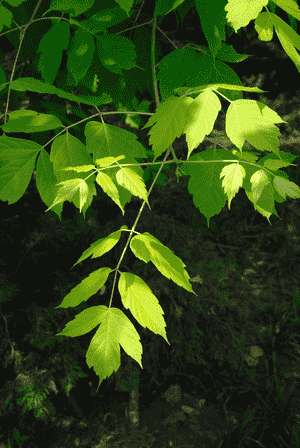
When considering Box elder for your garden, it's crucial to grasp its distinct qualities. Box elder, known for its adaptability and rapid growth, offers a versatile solution for various landscaping needs. Its tolerance to diverse soil types and urban environments makes it a resilient option. Additionally, Box elder can provide ample shade and a natural windbreak, essential elements for a comfortable and functional outdoor space. Coupled with its unique leaf structure, Box elder stands out, offering a lovely green canopy that can enhance your garden's serenity and beauty.
The visual impact of Box elder in different seasons
One of the most compelling reasons to include Box elder in your landscape design is its dynamic seasonal presence. In spring, its vibrant green leaves add a fresh, lively touch to your garden. As summer progresses, Box elder continues to provide a lush backdrop while offering much-needed shade. Come autumn, Box elder transforms, with its leaves turning beautiful shades of yellow, which can be a striking visual centerpiece. Even in winter, the textured bark and structural elegance of Box elder contribute architectural interest, making it a year-round asset to your garden.
Comparative advantages of using Box elder over other similar plants
Compared to other trees and shrubs, Box elder offers several advantages that make it a favorable option. Its rapid growth rate provides quicker establishment than many other trees, meaning you can enjoy the benefits of a mature tree sooner. Additionally, Box elder requires relatively low maintenance, making it ideal for gardeners of all experience levels. Its ability to thrive in various environmental conditions, including poor soil and pollution, gives it an edge over more delicate species, ensuring your investment in Box elder is both cost-effective and long-lasting.
Planning Your Landscape with Box elder
Mapping out the space: Where to plant Box elder?
Strategically planning where to plant Box elder is crucial for maximizing its benefits. Box elder is versatile and can be placed in various spots in your garden. Ideally, plant Box elder where it can provide ample shade and serve as a windbreak. Consider the mature size of Box elder and ensure there's enough space for it to grow without crowding other plants. Planting near outdoor seating areas can enhance comfort during hotter months, while positioning it along property lines can create natural privacy barriers.
How to integrate Box elder with other plants in your garden
Integrating Box elder with other plants requires thoughtful planning to maintain a cohesive and visually appealing garden. Pair Box elder with understory plants that thrive in shaded conditions, such as ferns or hostas, which can create a lush, layered look. Mixing in colorful perennials and shrubs can add contrast and depth, enhancing the overall aesthetic. Ensure the plants you choose have similar water and soil requirements to create a harmonious and sustainable garden ecosystem.
Seasonal planning for continuous aesthetics
To ensure your garden remains attractive throughout the year, consider seasonal planning with Box elder. Plant a combination of early-blooming bulbs and late-season flowers to complement the changing appearance of Box elder. Incorporate evergreens and winter-hardy plants to maintain garden structure and visual interest during colder months. By thoughtfully selecting plants that peak at different times, you can create a garden that offers continuous beauty and appeal, no matter the season.
Long-term Benefits and Challenges of Planting Box elder
Durability and resilience of Box elder in diverse climates
One of the biggest advantages of Box elder is its durability and ability to thrive in various climates. Whether you experience freezing winters or hot, dry summers, Box elder can adapt and continue to flourish. Its robust nature makes it a reliable choice for long-term landscaping projects. However, it's also essential to understand local climate conditions and ensure adequate care to maintain its health and vigor.
Maintenance expectations: Minimal or intensive?
Maintenance of Box elder is typically minimal, with occasional pruning to maintain its shape and manage size. It's important to monitor for pest infestations and diseases, though Box elder is generally hardy and less susceptible to common plant issues. Regular watering during dry periods, especially in the early years after planting, is essential to establish a strong root system. Overall, Box elder is a low-maintenance plant that rewards minimal care with considerable aesthetic and functional benefits.
How Box elder can enhance property value and ecological balance
Integrating Box elder into your landscape not only enhances the visual appeal but also contributes to the ecological balance and property value. Trees like Box elder increase curb appeal and can potentially raise property values. Ecologically, Box elder provides habitat for local wildlife and helps in controlling soil erosion. Its extensive root system stabilizes the soil, reducing the risk of erosion, while its canopy improves air quality by filtering pollutants.
Creative Ideas for Incorporating Box elder into Your Landscape
Design inspirations: From solitary splendor to clustered charm
When it comes to design, Box elder offers versatility. For a striking focal point, consider planting a solitary Box elder where it can be the centerpiece of your garden. Alternatively, group several Box elder together to create a clustered effect, which can add a natural, woodland feel to your landscape. This clustering can provide more substantial shade and serve as a windbreak, enhancing the garden's functionality.
Combining color palettes: What works best with Box elder?
Choosing a complementary color palette can enhance the visual impact of Box elder. Pairing Box elder with plants that have contrasting colors, like deep purple or bright yellow flowers, can create vibrant and eye-catching combinations. Utilizing foliage plants with different textures and hues can also add depth and complexity to your garden. Consider the seasonal color changes of Box elder to ensure that the overall color scheme evolves beautifully throughout the year.
Utilizing Box elder for practical purposes beyond aesthetic appeal
Box elder can serve practical purposes in your garden, beyond just adding visual interest. Use Box elder as a natural privacy screen along property borders or near patios and decks. Its shade-providing capability can reduce home cooling costs during hot months, contributing to energy efficiency. The fallen leaves of Box elder can be composted to enrich garden soil, promoting sustainability and reducing waste.



