Enhancing Your Garden Design with the Rocky mountain maple Plant: A Landscaping Guide
1
Rocky Mountain Maple adapts well to various climates, making it suitable for many areas.
2
The changing seasons of Rocky Mountain Maple provide vibrant colors and beauty to any setting.
3
Rocky Mountain Maple is attractive and also provides multiple ecological advantages.
Appreciating the Visual Charm of Rocky Mountain Maple
Showcasing Diverse Hues and Textures
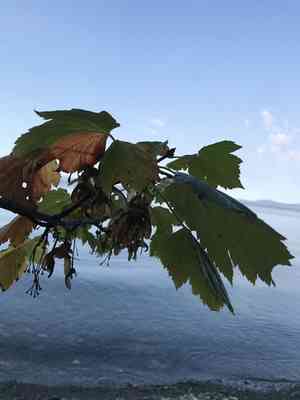
Rocky mountain maple is renowned for its vivid color range and rich tactile qualities. Its leaves display a magnificent palette, transitioning from deep greens in the active growth period to brilliant yellows and oranges in autumn. The texture of its foliage, coupled with its smooth bark, introduces a tactile element to your garden, making it both visually and physically engaging. Moreover, its delicate blossoms and seeds enhance its decorative value, creating a dynamic visual spectacle throughout the year.
Seasonal Transformations and Aesthetic Impact
A prominent characteristic of Rocky mountain maple is its capacity to change with the seasons. During spring and summer, it showcases lush, green foliage that offers a cool, calming effect. In autumn, Rocky mountain maple presents a spectacular display as its leaves adopt a spectrum of warm shades. This seasonal shift is vital for sustaining interest and variety in your landscape year-round.
Integrating Rocky Mountain Maple into Various Landscape Designs
Utilizing Rocky Mountain Maple in Formal Gardens
Rocky mountain maple can be a refined addition to formal gardens due to its well-defined shape and classic leaf structure. When properly pruned and maintained, it can delineate areas, establish focal points, and even function as a natural hedge or boundary. Its adaptability allows it to fit into diverse structured layouts, complementing geometric pathways, meticulously kept lawns, and symmetrical plant arrangements.
Incorporating Rocky Mountain Maple in Naturalistic Settings
In a more relaxed, naturalistic garden, Rocky mountain maple offers a seamless transition between cultivated and wild zones. Its organic form and natural growth patterns blend effortlessly with indigenous plants and other natural elements. Whether positioned along woodland trails or as part of mixed borders, Rocky mountain maple enhances the serene, unspoiled beauty of nature-inspired landscapes.
Pairing Rocky Mountain Maple with Other Flora
Complementary Plant Combinations for Rocky Mountain Maple
Selecting appropriate plant companions for Rocky mountain maple can elevate your garden's overall appeal. Consider pairing it with understory shrubs and groundcovers that thrive in similar conditions to achieve a layered aesthetic. Plants such as ferns, hostas, and wildflowers complement Rocky mountain maple's height and coloration while contributing to a vibrant and attractive plant community.
Creating Color and Texture Contrasts
For a striking visual presentation, combine Rocky mountain maple with plants that offer contrasting colors and textures. Darker foliage plants, like evergreens or deep-hued shrubs, can accentuate the vibrant tones of Rocky mountain maple. Similarly, soft, delicate flowers can beautifully contrast with Rocky mountain maple’s robust leaves and bark, adding depth and intrigue to your garden.
Maintaining the Health and Beauty of Rocky Mountain Maple
Fundamental Care Guidelines for Rocky Mountain Maple
Proper upkeep is crucial for Rocky mountain maple to flourish. Ensure it receives sufficient water, especially during dry periods, and apply mulch around its base to retain moisture. Pruning should occur in late fall or early spring to remove dead or damaged branches and promote vigorous growth. Annual fertilization with a balanced, slow-release product can also support its vitality.
Seasonal Care Adjustments
Adapting care seasonally can help Rocky mountain maple perform optimally. In spring, check for pests and diseases and apply treatments as needed. Summer care focuses on maintaining consistent moisture levels, while in fall, preparing the soil and protecting roots are essential as the tree enters dormancy. Winter care involves guarding against frost damage and inspecting for any harm caused by snow or ice.
Ecological Advantages of Including Rocky Mountain Maple in Your Landscape
Enhancing Local Biodiversity
Rocky mountain maple supports local biodiversity by providing shelter and sustenance for various wildlife, from birds to beneficial insects. Its flowers attract pollinators, while its seeds offer nourishment for avian species and small mammals. By incorporating Rocky mountain maple into your landscape, you contribute to a healthier, more balanced ecosystem.
Contributions to Air and Soil Quality
Rocky mountain maple plays a significant role in improving air quality by absorbing carbon dioxide and releasing oxygen. Its extensive root system helps stabilize the soil, reduce erosion, and facilitate water infiltration. This not only supports the health of your garden but also contributes to broader environmental sustainability.



