Enhancing Your Garden Design with the Subalpine fir Plant: A Landscaping Guide
1
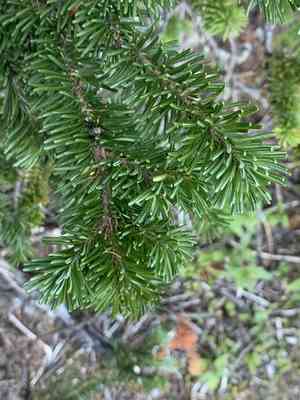
Subalpine fir trees can reach heights of 60 feet, serving as a prominent feature in any setting.
2
This species flourishes in colder regions, well-adapted to high-altitude and near-timberline habitats.
3
Pairing with bushes and groundcover improves the aesthetic appeal of Subalpine fir.
Grasping the Growth Characteristics of Subalpine Fir
Determine the typical development pace and maximum stature
A primary step in successfully integrating Subalpine fir into your outdoor space involves understanding its growth patterns. Generally, Subalpine fir exhibits a moderate growth rate, adding approximately 12 to 24 inches in height annually under ideal conditions. Upon maturity, these impressive trees can attain heights of up to 60 feet, with some specimens exceeding this based on local climate and soil factors. As with any plant, knowing your tree's potential dimensions is vital for planning its placement in your garden or yard.
Assess the spread and spatial requirements
Subalpine fir not only grows vertically but also expands its width over time. It typically reaches a spread of 10 to 20 feet. Therefore, allocating sufficient room for its development is crucial to ensure it can flourish without competing for space with other plants or structures. Make certain to plant Subalpine fir in an area that provides ample clearance from buildings, power lines, and other large trees to allow it to thrive and maintain its natural shape.
Integrating Subalpine Fir into Various Landscape Designs
Harmonizing Subalpine fir with formal garden layouts
For those who prefer formal landscape designs, Subalpine fir serves as an elegant addition due to its symmetrical form and structured growth. When utilized as a focal point in a meticulously maintained garden, this tree can provide a grand backdrop or central element. To integrate Subalpine fir with a formal garden setting, consider aligning it with neat rows of hedges and geometrically arranged flower beds. Its evergreen foliage offers year-round color and texture, which complements the precise lines and shapes essential to formal designs.
Employing Subalpine fir in informal or naturalistic settings
Conversely, Subalpine fir also fits beautifully into informal or natural landscape environments. Its tranquil presence and organic appearance make it perfect for woodland gardens or more relaxed garden themes. When planting Subalpine fir in a naturalistic setting, combine it with native floral species, rugged stones, and winding paths to create a serene, unstructured area within your landscape. Its capacity to blend seamlessly into the natural surroundings makes it particularly effective in establishing an alpine or forest ambiance.
Companion Planting Strategies with Subalpine Fir
Selecting understory plants and shrubs that complement Subalpine fir
Choosing appropriate companion plants can significantly enhance the visual appeal of Subalpine fir. Opt for understory plants and shrubs that share its soil preferences and climate tolerance. Shrubs such as rhododendrons and azaleas, which thrive in acidic soils and cooler climates, can complement the aesthetics of Subalpine fir while creating a layered effect. Ground covers like ferns or heather can add texture and fill in the spaces beneath the tree, giving your landscape a fuller, more dynamic look.
Guidelines for planting distances and locations
Correct spacing is vital when planting companions alongside Subalpine fir. To prevent overcrowding, position understory shrubs at least 3 feet from the tree's base, allowing Subalpine fir ample room to grow and breathe. Providing space also reduces competition for nutrients and water, ensuring that both Subalpine fir and companion plants thrive. Additionally, consider the mature size of all plants when determining placement to maintain a balanced and open landscape.
Seasonal Considerations and Visual Impact of Subalpine Fir
Highlighting the seasonal shifts in color and texture
Subalpine fir offers a visual delight throughout the seasons with subtle yet striking transformations. In spring, new growth emerges in vibrant green, creating a fresh and lively contrast against the older needles. Autumn might bring a slight color change, and winter emphasizes the treeâs evergreen nature against the stark, dormant landscape. These seasonal variations add layers of interest to your garden, ensuring it remains appealing year-round.
Maximizing its aesthetic appeal throughout the year
To maximize the aesthetic appeal of Subalpine fir year-round, keep its surroundings well-maintained. Pruning dead branches and ensuring clean ground cover around the base can enhance the tree's natural beauty. Incorporate seasonal flowers and foliage in complementary colors to accompany Subalpine fir's evergreen appearance. Whether itâs spring bulbs, summer perennials, autumnal bushes, or winter-blooming plants, these elements will keep your landscape vibrant and engaging regardless of the season.



