Optimal Fertilizer for Growing Zanzibar gem: What You Need to Know
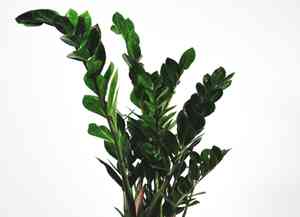
1
Promote the health and vividness of your Zanzibar gem by providing nutrients during its peak growth period in summer.
2
A general-purpose, evenly balanced plant food, like a 20-20-20 blend, is suitable for a Zanzibar gem.
3
Always mix your fertilizer to half its recommended strength to prevent giving your Zanzibar gem too much nutrient.
Deciphering Fertilizer Requirements for ZZ Plant
The Importance of Fertilization for ZZ Plant Health
Nourishing your ZZ plant is vital for maintaining its vibrant, verdant foliage and promoting robust development. This resilient plant, highly valued for its minimal care demands, still requires some assistance to flourish, particularly when cultivated indoors. By supplying essential nutrients, you help the plant build strong roots, healthy leaves, and improved resistance against diseases.
Key Nutrient Requirements
The ZZ plant thrives with a balanced blend of nitrogen (N), phosphorus (P), and potassium (K). Nitrogen encourages lush foliage, phosphorus aids in root and bloom formation, and potassium enhances overall vitality and disease resistance. For optimal outcomes, seek out a well-balanced feed like 20-20-20, providing equivalent quantities of these critical elements.
Selecting the Appropriate Fertilizer for ZZ Plant
Natural Versus Chemical Fertilizers
When choosing a fertilizer for your ZZ plant, you have the option of organic or synthetic formulas. Organic fertilizers, such as compost or vermicompost, release nutrients gradually and improve soil structure. Synthetic fertilizers, conversely, provide precise nutrient ratios for rapid absorption. Both types offer advantages, but for simplicity and consistent outcomes, many prefer a high-quality synthetic choice.
Recommended Fertilizer Types
For your ZZ plant, a balanced, general-purpose fertilizer with an N-P-K ratio of 20-20-20 is optimal. Liquid or water-soluble granules are preferred for easy uptake by the plant roots. Ensure your chosen product includes trace elements like magnesium, iron, and calcium, which are also beneficial for overall plant wellness.
Proper Fertilization Techniques
Ideal Fertilizing Schedule
The best time to fertilize your ZZ plant is during its active growth period, which is summer. Apply fertilizer once per month during this season to ensure a steady supply of nutrients. Refrain from fertilizing in the dormant winter months when the plant's nutrient assimilation decreases.
How to Administer Fertilizer
To fertilize your ZZ plant, begin by diluting the fertilizer to half its recommended concentration. This lowers the risk of over-fertilization, which can harm the plant. Water the plant thoroughly before applying the diluted fertilizer solution to ensure even distribution and prevent root burn. Pour the solution around the plant's base, avoiding direct contact with the leaves.
Common Fertilization Errors to Avoid with ZZ Plant
Dangers of Excessive Fertilization
Over-fertilizing your ZZ plant can result in nutrient burn, characterized by brown leaf tips and stunted development. Always adhere to the recommended dosage and frequency, and remember that less is often more for this low-maintenance plant. When in doubt, err on the side of caution by using a more diluted solution.
Indicators of Incorrect Fertilization
Observe for signs that your ZZ plant is not responding well to fertilization. Yellowing leaves, brown tips, and a general decline in health can signify over-fertilization or the use of an unsuitable fertilizer type. If these symptoms appear, flush the soil with water to remove excess salts and adjust your fertilization regimen accordingly.



