Optimal Fertilizer for Growing Spanish dagger: What You Need to Know
1
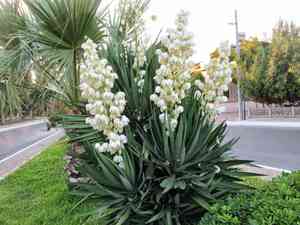
The Yucca gloriosa thrives in soil that drains effectively, and excessive fertilization may cause nutrient discrepancies.
2
A fertilizer with an even ratio of nitrogen, phosphorus, and potassium (e.g., 10-10-10) is best for the Spanish dagger.
3
Spring is the prime time to fertilize your Spanish dagger, providing it with essential nutrients for robust development.
Grasping the Nutritional Requirements of Spanish Dagger
Standard Nutrient Demands
The Yucca gloriosa, commonly known as Spanish dagger, is a robust plant that doesn't require extensive nutrients. However, like all flora, it flourishes best when its dietary needs are adequately met. Ideally, this plant needs a balanced blend of macronutrients, including nitrogen (N), phosphorus (P), and potassium (K), which are crucial for its development, blooming, and overall vitality. A general-purpose fertilizer with an equal N-P-K ratio, such as 10-10-10, typically works well for the Spanish dagger. This combination guarantees a steady nutrient supply to support its structural growth and foliage production.
Indicators of Nutrient Shortages
Similar to any other plant, the Spanish dagger can display symptoms of nutrient deficiencies if not properly maintained. Key indicators to observe include yellowing leaves, stunted development, poor flowering, and browning leaf tips. Yellowing foliage, especially on older leaves, often signals a nitrogen deficit. A lack of phosphorus can result in weak root growth and diminished blooms, while insufficient potassium might cause browning along the leaf margins. Recognizing these signs early can help you modify your fertilization regimen to keep your plant in prime condition.
Selecting the Appropriate Fertilizer for Spanish Dagger
Organic Versus Synthetic Fertilizers
When choosing a fertilizer for your Spanish dagger, you'll encounter both organic and synthetic options. Organic fertilizers, such as compost, manure, or fish emulsion, release nutrients gradually and enhance soil structure over time, making them ideal for long-term health. Conversely, synthetic fertilizers provide a rapid nutrient boost, which can be beneficial if your plant exhibits immediate deficiency symptoms. Both types of fertilizers can be effective; however, consider a balanced approach, utilizing organic choices for routine feeding and synthetic fertilizers for specific nutrient requirements or quick solutions.
Essential Nutrients and Their Advantages
Understanding the benefits of key nutrients can help you better fulfill your Spanish dagger's nutritional needs. Nitrogen is vital for leaf formation and overall growth, phosphorus strengthens roots and boosts flowering, and potassium aids in general plant health and disease resistance. Furthermore, micronutrients like iron, magnesium, and calcium, though needed in smaller quantities, are crucial for the plant's metabolic processes. Choose a fertilizer that offers a balanced mix of these nutrients, and your Spanish dagger will reward you with vigorous growth and lush foliage.
Optimal Fertilization Schedule for Spanish Dagger
Best Periods for Fertilizing
Timing is crucial when it comes to fertilizing your Spanish dagger. The ideal time to begin fertilizing is in the spring, as new growth commences. This timing leverages the plant's natural growth cycle, ensuring it has all necessary nutrients as it enters its most active growth phase. Fertilization can continue into early summer. Avoid fertilizing in late summer and fall, as this can stimulate new growth that won't harden off before winter, making your plant vulnerable to cold damage.
Seasonal Considerations
While spring is perfect for fertilizing, it's essential to consider the specific needs of your Spanish dagger during different seasons. In spring, use a balanced fertilizer to initiate growth. As summer progresses, you might decrease the frequency or switch to a fertilizer with slightly higher potassium to support the plant through potentially stressful hot conditions. During autumn and winter, Spanish dagger enters dormancy, so fertilization is generally unnecessary. Monitoring your plant's response to seasonal changes ensures it remains healthy throughout the year.
Applying Fertilizer to Spanish Dagger: A Step-by-Step Guide
Preparing the Plant and Soil
Before applying fertilizer, ensure your plant and soil are adequately prepared. Begin by thoroughly watering your Spanish dagger a day prior to fertilizing to prevent root burn and guarantee even nutrient distribution. Clear any debris around the plant's base and, if necessary, lightly till the soil to improve aeration. Well-prepared soil allows the fertilizer to be absorbed more effectively, promoting optimal nutrient uptake.
Application Methods
For the actual application, follow these steps:Measure the Fertilizer:Use the recommended amount of fertilizer as indicated on the product label.Apply Evenly:Distribute the fertilizer uniformly around the plant's base, avoiding direct contact with the stems.Incorporate into Soil:Gently rake the fertilizer into the top few centimeters (or inches) of soil.Water Thoroughly:Once applied, irrigate the area thoroughly to help dissolve the fertilizer and transport nutrients to the roots.
Post-Fertilization Aftercare
After fertilizing, continuous care is vital for the Spanish dagger. Ensure consistent watering without over-watering, as this can lead to nutrient leaching. Monitor the plant for any signs of nutrient burn, which might appear as brown or scorched leaf edges. If such signs occur, flush the soil with water to remove excess fertilizer. Regularly check the plant's progress and adjust your care routine as needed to ensure it remains healthy and vibrant.



