Optimal Fertilizer for Growing Aloe yucca: What You Need to Know
1
Aloe yucca flourishes with a 10-10-10 balanced plant food each spring.
2
Excessive fertilization may lead to scorched leaves and inhibited development in Aloe yucca.
3
Utilizing a slow-release plant food can lessen the chance of too many nutrients.
Grasping Aloe yucca's Nutritional Requirements
Importance of Nutrients for Aloe yucca Development
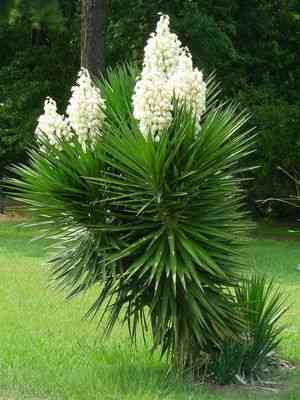
Nourishing Aloe yucca is vital for its development and overall vitality. This resilient plant, recognized for its striking, blade-like foliage, demands essential nutrients to flourish. Key elements such as nitrogen, phosphorus, and potassium are crucial for leaf formation, root robustness, and bloom production. Consistent feeding can also enhance Aloe yucca's resistance to ailments and environmental stressors.
Impacts of Excessive or Insufficient Fertilization
Achieving the correct balance in feeding is paramount. Over-fertilizing Aloe yucca can lead to nutrient toxicity, causing leaf edges to brown and become brittle. Conversely, under-fertilization can result in stunted growth and pale leaves due to nutrient shortages. A balanced approach ensures Aloe yucca receives adequate nutrients to sustain its vigor without the risk of harm.
Selecting the Appropriate Fertilizer for Aloe yucca
Fertilizer Types Suitable for Aloe yucca
When choosing a fertilizer for Aloe yucca, a balanced formula like a 10-10-10 (N-P-K) is ideal. This guarantees an even distribution of vital nutrients. Liquid fertilizers are excellent for rapid nutrient absorption, while granular slow-release options provide sustained nourishment. For those preferring a less frequent feeding routine, slow-release fertilizers are often a practical choice.
Natural Versus Synthetic Fertilizers
Organic fertilizers, derived from natural sources such as compost and manure, offer a gentle nutrient release and enhance soil quality. Synthetic fertilizers, though fast-acting, can be detrimental if applied excessively. Each has advantages: organic choices foster a healthier ecosystem, while synthetic varieties allow for more precise nutrient management. Depending on your gardening objectives, either type can benefit Aloe yucca.
Optimal Feeding Schedule for Aloe yucca
Seasonal Fertilization Guidelines
Aloe yucca benefits most from feeding in the spring, coinciding with its active growth period. In spring, apply a balanced fertilizer once to prepare for vigorous summer growth. Avoid fertilizing in autumn and winter as the plant's growth slows, reducing its nutrient demands and the risk of root damage from surplus nutrients.
Indicators That Your Aloe yucca Requires Fertilizing
Observe for signs such as yellowing leaves, sluggish growth, and poor blooming. These suggest your Aloe yucca might need a nutrient boost. Conversely, dark green, lush foliage, and strong, consistent growth are indicators of a well-nourished plant. Regular observation will help you adjust your feeding schedule to meet your plant's changing requirements.
Step-by-Step Guide to Fertilizing Aloe yucca
Preparing the Plant and Growing Medium
Before feeding, ensure the soil is slightly damp. This aids in the uniform distribution of nutrients and prevents root scorching. Remove any debris from the soil's surface and gently loosen the top layer to facilitate fertilizer absorption. Proper plant preparation can significantly impact nutrient uptake.
Application Methods for Maximum Absorption
For liquid fertilizers, dilute according to the manufacturer's directions and apply directly to the soil around the plant's base. Granular fertilizers should be spread evenly on the soil surface and lightly worked in. Water the plant after application to help the fertilizer penetrate the soil and reach the root zone effectively.
Caring for Aloe yucca After Fertilization
Watering Practices Post-Feeding
After fertilization, consistent watering is essential to help nutrients dissolve and be absorbed by the roots. Avoid overwatering as Aloe yucca prefers somewhat dry conditions; water deeply but infrequently. This helps maintain a healthy balance of moisture and air in the soil, promoting root health.
Monitoring Development and Health After Fertilization
Keep a close watch on your Aloe yucca after feeding to observe its response. Look for greener, more vibrant foliage and an increase in growth. Regularly check for any signs of nutrient burn or deficiencies and adjust your feeding schedule if necessary. Maintaining a detailed plant care log can help track changes and plan future fertilization.



