Optimal Fertilizer for Growing Mexican fan palm: What You Need to Know
1
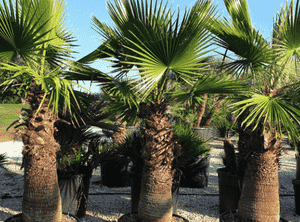
A properly nourished Mexican fan palm may reach heights of 30 meters (100 feet)!
2
The optimal period to fertilize your Mexican fan palm is in the spring.
3
Employing a slow-release fertilizer can supply nutrients for as long as 3 months, lessening the necessity for regular applications.
Understanding Nutrient Requirements for Mexican Fan Palms
Identifying Essential Nutrients
To ensure your Mexican fan palm flourishes, comprehending its nutritional needs is paramount. These tall palms, recognized by their fan-shaped leaves and slender trunks, primarily require a balanced supply of nitrogen, phosphorus, and potassium, commonly known as N-P-K. Nitrogen promotes lush, green foliage, phosphorus supports robust root development, and potassium aids in overall plant vitality, enhancing disease resistance. Beyond these primary nutrients, trace elements like magnesium and manganese are vital for the palm's vibrant growth and health. Watch for indicators such as yellowing leaves or stunted growth, which can signal nutrient deficiencies.
Optimal Fertilization Timing
Fertilizing your Mexican fan palm at the correct time ensures efficient nutrient absorption, promoting vigorous growth. The best period to apply fertilizer is during the spring. As temperatures rise, the palmâs growth rate accelerates, making it more responsive to nutrient input. Fertilize early in the season once the risk of frost has passed, but before peak growth. This timing helps prepare the plant for the intense growth phase ahead. Consistent fertilization during this active period supports the impressive, majestic stature these palms are known for.
Selecting the Appropriate Fertilizer Formula
Benefits of Slow-Release vs. Liquid Fertilizers
Choosing the correct fertilizer type significantly impacts your Mexican fan palm's health. Slow-release fertilizers offer the advantage of providing a consistent nutrient supply over an extended duration, typically up to three months. This gradual release reduces application frequency and minimizes nutrient runoff. Conversely, liquid fertilizers are rapidly absorbed, making them ideal for an immediate nutrient boost. However, they necessitate more frequent application. For busy gardeners or those seeking convenience, slow-release formulations are generally preferred for their lasting effect and ease of use.
Key Ingredients for Palm-Specific Fertilizers
When selecting a fertilizer for your Mexican fan palm, opt for products specifically formulated for palms. These formulas often contain a balanced N-P-K ratio along with crucial micronutrients. For example, magnesium is essential for chlorophyll production, preventing leaf yellowing. Manganese supports the plant's metabolic functions and overall health. Additionally, a suitable fertilizer may include iron to aid in developing vibrant green foliage and copper to enhance disease resistance. Ensure the product label lists these nutrients to meet the unique nutritional demands of palms.
Steps for Fertilizing Your Mexican Fan Palm
Soil Preparation
Preparing the soil is a crucial step for effective fertilization of your Mexican fan palm. Begin by clearing any debris or weeds from around the palm's base, creating a radius of approximately one meter (three feet). Gently loosen the soil with a rake, as this aids in even fertilizer distribution. Ensuring the soil is adequately moist before application enhances nutrient uptake. If the ground is dry, consider lightly watering it the day before you plan to fertilize. This simple preparation creates an optimal environment for nutrient absorption by the roots.
Fertilizer Application
Proper application techniques are vital for maximizing fertilization benefits. Measure the recommended fertilizer amount, typically specified on the product label. Spread it evenly around the palm's base, focusing on the drip line area where roots are most active. Avoid direct contact with the trunk, as this can cause burns or plant damage. For slow-release fertilizers, gently work them into the top couple of centimeters (one inch) of soil without disturbing the roots. Uniform distribution ensures nutrients reach all parts of the root system effectively.
Post-Fertilization Watering
Watering after fertilization is essential to activate nutrients and facilitate their absorption. Thoroughly soak the area around the Mexican fan palm's base, ensuring water penetrates deep into the soil where roots can access nutrients. Aim to deliver at least 2.5 centimeters (one inch) of water, which is approximately 1 gallon (3.8 liters) per square foot of soil. This helps carry nutrients down to the root zone, where they are most needed. Consistent watering schedules also prevent the accumulation of fertilizer salts, which can be harmful over time.
Maintaining Your Mexican Fan Palm After Fertilization
Monitoring Growth and Health
After fertilizing, closely observe your Mexican fan palm to track its response. Look for signs of vigorous growth, such as new fronds emerging and overall increased foliage density. Healthy palms typically display bright green leaves without discoloration, indicating sufficient nutrient intake. Regular checks can help you spot early signs of deficiencies or pests. If you notice any yellowing or browning of leaves, it might signal a nutrient imbalance or other issues requiring attention. Timely intervention can prevent minor problems from escalating.
Adjusting Fertilization Schedule Based on Observations
Your observations are key to fine-tuning your palm's fertilization schedule. If the plant shows signs of rapid growth, consider more frequent fertilization during the growing season. Conversely, if the palm appears healthy but not excessively lush, you might maintain a less frequent schedule. Remember, environmental factors like soil type, weather, and watering practices influence nutrient needs. Adjusting the fertilization schedule based on your palm's specific conditions ensures it receives the correct amount of nutrients. Regular soil tests can also provide valuable insights into nutrient availability and help guide your fertilization practices.



