Optimal Fertilizer for Growing Common periwinkle: What You Need to Know
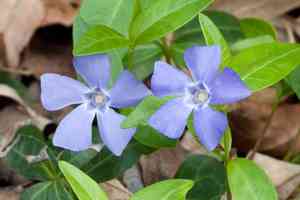
1
Common periwinkle flourishes optimally with spring fertilization to promote vigorous development and blooming.
2
Excessive fertilization of Common periwinkle may result in abundant leaf production over blossoms, thus adhering to suggested amounts is crucial.
3
A balanced NPK ratio, usually 10-10-10, is perfect for Common periwinkle, providing nitrogen, phosphorus, and potassium for complete plant well-being.
Understanding the Nutrient Requirements of Vinca minor
Key Macronutrients for Vinca minor
For Vinca minor to flourish and display its characteristic ground-covering, evergreen beauty, it needs a consistent supply of vital macronutrients. These include nitrogen (N) for leaf development, phosphorus (P) for root growth and blooming, and potassium (K) for overall plant vigor. Supplying these essential nutrients will encourage lush, healthy foliage and abundant flowers.
Significance of Micronutrients
While macronutrients are crucial, don't overlook the importance of micronutrients such as iron, manganese, and zinc. These trace elements are essential for various physiological processes within the plant. For example, iron is vital for chlorophyll production, which is key for photosynthesis and the plantâs vibrant green leaves.
The Impact of Soil pH on Nutrient Absorption
Soil pH directly influences the availability of nutrients to Vinca minor. This plant prefers slightly acidic to neutral soil, ideally within a pH range of 6.0 to 7.0. If the soil pH is too high or too low, certain nutrients may become inaccessible to the plant, leading to deficiencies. Regularly test the soil pH and amend it as needed to ensure optimal nutrient uptake.
Selecting the Appropriate Fertilizer for Vinca minor
Organic vs. Synthetic Fertilizers
When choosing a fertilizer for Vinca minor, you can select between organic and synthetic products. Organic fertilizers, like compost and bone meal, release nutrients slowly and enhance soil structure. Synthetic fertilizers, conversely, offer immediate nutrient availability and are simple to apply. Each type has its advantages, so the choice depends on your gardening preference and long-term soil health strategy.
Recommended NPK Ratios
For Vinca minor, a balanced fertilizer with an NPK (nitrogen, phosphorus, potassium) ratio of 10-10-10 is ideal. This ratio supports balanced development, ensuring strong roots, vibrant foliage, and plentiful blooms. Avoid fertilizers high in nitrogen alone, as they may promote leaf growth at the expense of flowers.
Slow-Release Fertilizers and Their Advantages
Slow-release fertilizers are an excellent choice for Vinca minor. These fertilizers provide a steady supply of nutrients over several months, reducing the need for frequent applications. This is especially beneficial for maintaining consistent nutrient levels, preventing fluctuations that can stress the plant.
How Often to Fertilize Vinca minor?
Fertilization Schedule for Optimal Growth
For optimal growth, fertilize Vinca minor in early spring, as it begins its active growing period. A single application of a balanced, slow-release fertilizer at the start of the season is usually sufficient. If you choose a fast-acting synthetic fertilizer, you might need to reapply it mid-season to ensure continuous nutrient availability.
Signs of Over-Fertilization and How to Prevent It
Over-fertilization can cause problems such as root burn, excessive leaf growth, and reduced flowering. Symptoms include yellowing leaves, wilting, and stunted growth. To prevent this, always adhere to the fertilizerâs recommended guidelines and err on the side of caution. If uncertain, it's better to slightly under-fertilize than to overdo it.
Applying Fertilizer to Vinca minor
Best Practices for Fertilizer Application
When applying fertilizer to Vinca minor, ensure even distribution to prevent localized nutrient accumulation. Water the plant thoroughly after fertilizing to help distribute the nutrients uniformly throughout the soil. If using a granular fertilizer, gently rake it into the soil surface. For liquid fertilizers, follow the dilution instructions carefully to avoid root damage.
Monitoring Plant Response After Fertilization
Observe your Vinca minor's reaction after fertilization. Healthy plants will display robust, deep green foliage and increased flowering. If you notice any negative reactions such as leaf scorch or stunted growth, re-evaluate your fertilization methods and adjust accordingly. Regular observation ensures prompt action to correct any issues and maintain plant health.



