Optimal Fertilizer for Growing Greater periwinkle: What You Need to Know
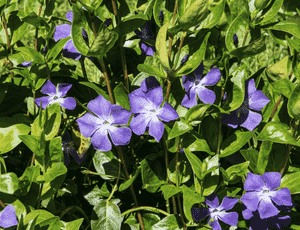
1
For optimal foliage and robust development, fertilize Greater periwinkle primarily in Spring.
2
Select a balanced NPK fertilizer, such as 10-10-10 or 20-20-20, to supply Greater periwinkle with essential nitrogen, phosphorus, and potassium.
3
Fertilize moderately yet regularly, approximately every 6 to 8 weeks, to promote steady growth and prevent nutrient damage.
Deciphering the Nutritional Requirements of Greater Periwinkle
Key Nutrients Essential for Greater Periwinkle
Like all living organisms, plants require specific nutrients to flourish, and Greater periwinkle is no different. This adaptable groundcover thrives in soil rich in nitrogen (N), phosphorus (P), and potassium (K). Nitrogen promotes abundant, green foliage, phosphorus aids root development and flower production, and potassium supports overall plant vitality and disease resistance. Understanding these nutritional needs underscores their importance and the advantage of a balanced fertilizer.
Indicators of Nutrient Deficiency in Greater Periwinkle
Early detection of nutrient deficiencies can prevent stunted growth or poor health in your Greater periwinkle. Common signs include yellowing leaves, often signaling a nitrogen shortage, or dark, purplish areas on leaves, suggesting insufficient phosphorus. If leaf edges turn brown, a lack of potassium might be the issue. Regular plant inspection helps identify these symptoms and prompts timely fertilization.
Selecting the Appropriate Fertilizer for Greater Periwinkle
Organic Versus Synthetic Fertilizers
When choosing a fertilizer for Greater periwinkle, gardeners must decide between organic and synthetic options. Organic fertilizers, derived from natural sources like compost, manure, or bone meal, release nutrients gradually, enhancing soil health over time. Synthetic fertilizers, such as commercial granules and liquid feeds, offer a more immediate nutrient boost but do not improve soil structure. Both types have benefits, and your choice may depend on whether you prioritize a quick solution or long-term soil well-being.
Specific Formulations Ideal for Greater Periwinkle
Greater periwinkle responds well to balanced formulas with equal parts N-P-K, such as 10-10-10 or 20-20-20 ratios. These provide an even distribution of crucial nutrients, supporting overall plant health and vigorous growth. For organic alternatives, compost and well-rotted manure incorporated into the soil can supply these nutrients effectively. Consistent applications as needed can result in a lush, healthy ground cover.
Optimal Fertilization Times for Greater Periwinkle
Best Season for Fertilization
Spring is the ideal time to fertilize Greater periwinkle. As the plant emerges from winter dormancy, applying fertilizer in early spring encourages new growth and prepares it for the active growing season. This timing aligns with the plant's natural growth cycle, ensuring nutrients are readily available as the plant begins to develop robustly.
Fertilization Frequency
Consistency is crucial for maintaining healthy Greater periwinkle. Fertilizing every 6 to 8 weeks during the growing seasonâfrom spring through early fallâwill provide steady nutrient support. It's vital to avoid over-fertilization, which can lead to nutrient burn and potentially harm the plant. Monitoring your plant's reaction to fertilization can help you adjust the frequency as necessary.
Applying Fertilizer to Greater Periwinkle
Step-by-Step Application Methods
Properly applying fertilizer to Greater periwinkle ensures it receives the full benefit of the nutrients. Begin by clearing any debris from around the plant bases. If using granules, spread them evenly over the soil surface, avoiding direct contact with the foliage. Water the area thoroughly to help the nutrients penetrate the soil. For liquid fertilizers, mix according to package directions and apply with a watering can or garden sprayer. Ensure even coverage for uniform nutrient distribution.
Precautions and Best Practices
When fertilizing Greater periwinkle, it's important to take certain precautions to prevent damage. Always adhere to the recommended dosage to avoid over-fertilization, which can cause nutrient burn. Watering before and after applying fertilizer helps dilute the concentration and prevent root burn. If using organic options, ensure they are well-rotted to avoid introducing pests or diseases. Regularly rotating fertilizer types can also prevent soil nutrient imbalances.



