Optimal Fertilizer for Growing Japanese snowball: What You Need to Know
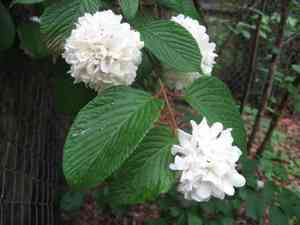
1
Applying fertilizer in early spring encourages a strong flowering period for Japanese snowball.
2
Too much fertilizer may result in abundant foliage but fewer flowers.
3
Employing a balanced fertilizer, such as one with a 10-10-10 NPK balance, supports both vigorous leaves and plentiful blossoms.
Understanding the Nutritional Needs of Japanese snowball
Essential Nutrients for Healthy Growth
For Japanese snowball to flourish, it requires a balanced diet of macro and micronutrients. Key macronutrients include nitrogen (N), phosphorus (P), and potassium (K). Nitrogen is vital for foliage development and overall plant expansion. Phosphorus aids root growth and blooming, while potassium boosts the plant's general vigor and disease resistance. Additionally, micronutrients like iron, magnesium, and calcium support plant health. A lack of any of these can impede your Japanese snowball's growth and flowering.
Signs of Nutrient Deficiency in Japanese snowball
Identifying nutrient deficiencies in your Japanese snowball is crucial for prompt action. Common indicators of nitrogen deficiency include yellowing leaves and stunted development. Phosphorus deficiency can lead to poor root formation and reduced flowering, with leaves sometimes turning purple. A potassium shortage typically manifests as scorched leaf edges and diminished disease resistance. Regular monitoring of these symptoms will help maintain plant health and ensure its full blooming potential.
Choosing the Right Fertilizer for Japanese snowball
Types of Fertilizers: Organic vs. Synthetic
Selecting between organic and synthetic fertilizers depends on your gardening approach and your Japanese snowball's specific requirements. Organic fertilizers, such as compost, manure, and bone meal, provide a slow release of nutrients, enhancing soil structure and microbial activity. Synthetic fertilizers, conversely, offer a rapid nutrient supply, ideal for an immediate boost. However, they can sometimes cause nutrient accumulation and are often less eco-friendly. Balancing these factors will help you choose the best option for your plant.
Recommended NPK Ratio for Optimal Flowering
For Japanese snowball, a balanced fertilizer with a 10-10-10 NPK ratio is generally advised to support both foliage and flower development. A balanced ratio ensures the plant receives equal amounts of nitrogen, phosphorus, and potassium, essential for overall health. During the early spring flowering season, you can switch to a higher phosphorus ratio, like 5-10-5, to specifically enhance blooming. Always follow the manufacturer's instructions for quantity and frequency to prevent over-fertilization.
Best Practices for Fertilizing Japanese snowball
When to Fertilize for Peak Bloom Time
The ideal time to fertilize Japanese snowball for the best blooms is in early spring. This timing aligns with the plant's natural growth cycle, providing essential nutrients as it begins to leaf out and prepare for flowering. A subsequent fertilization can be done in mid-summer to support continued health and growth. Avoid fertilizing in late fall to prevent stimulating new growth that could be damaged by winter frost.
How to Apply Fertilizer Effectively
Correct fertilizer application ensures your Japanese snowball receives maximum benefit. Begin by measuring the recommended amount according to the fertilizer's instructions. For granular fertilizers, spread them evenly around the plant's base, avoiding direct trunk contact. Then, lightly rake the soil to mix in the granules and water thoroughly to activate the fertilizer. For liquid fertilizers, use a watering can or spray system to apply the solution directly to the soil around the roots. Repeat as needed, typically every 4-6 weeks during the growing season.
Monitoring and Adjusting Fertilization
Observing Plant Response to Fertilization
Continuously observing your Japanese snowball after fertilization is crucial to ensure a positive response. Look for improvements in leaf color, growth rate, and bud formation. If the plant shows signs of stress, such as scorched leaf edges or rapid yellowing, it might indicate over-fertilization. Adjust your approach based on these observations, ensuring you meet the plant's needs without causing harm.
Adjusting Fertilization Practices Based on Plant Health and Soil Condition
Sometimes, it's necessary to modify your fertilization practices based on ongoing plant health and soil conditions. Conduct a soil test to check nutrient levels and pH balance, making amendments as required. For instance, if the soil is too acidic or alkaline, it can hinder nutrient uptake. Tailor your fertilization strategy accordingly, incorporating soil amendments like lime or sulfur to correct pH levels. Regular adjustments will help maintain an optimal growing environment for your Japanese snowball.



