Optimal Fertilizer for Growing Sweet viburnum: What You Need to Know
1
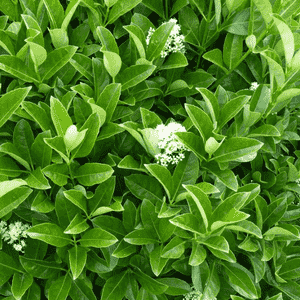
Supplying nutrients to Sweet viburnum in early spring provides the plant with essential nourishment for its active growth period.
2
Regular feeding assists Sweet viburnum in preserving vivid leaves and plentiful flowers.
3
Always moisten the soil prior to adding fertilizer to avoid root damage and guarantee uniform nutrient spread.
Grasping the Specific Requirements of Sweet Viburnum
Ideal Soil Conditions for Sweet Viburnum
For your Sweet Viburnum to flourish, beginning with the correct soil is vital. This plant thrives in well-draining, slightly acidic to neutral soil, with a pH between 6.0 and 7.0. Proper drainage is key to prevent root rot, which can occur in waterlogged conditions. If your garden soil is heavy clay, consider enriching it with organic matter like compost or aged manure to enhance its structure and fertility.
Light and Temperature Requirements
Sweet Viburnum needs balanced light for its lush growth and blooms. Ideally, it should be placed where it gets full sun to partial shade, ensuring at least 4-6 hours of sunlight daily. Regarding temperature, Sweet Viburnum is resilient in USDA zones 8-10, tolerating temperatures from 10°F to 30°F (-12°C to -1°C). Protect it from severe frosts by mulching around its base during colder periods.
Choosing the Appropriate Fertilizer for Sweet Viburnum
Fertilizer Types: Benefits and Applications
When fertilizing Sweet Viburnum, you have several choices. Organic fertilizers, such as compost and aged manure, enrich the soil with vital nutrients while improving its texture and microbial life. Synthetic fertilizers, conversely, provide specific NPK (Nitrogen, Phosphorus, and Potassium) ratios and act quickly. Slow-release granular fertilizers gradually release nutrients, offering a steady supply to the plant. Liquid fertilizers are excellent for rapid nutrient uptake, especially during the growing season.
Understanding NPK Ratios for Flowering Shrubs
The NPK ratio on a fertilizer package indicates the proportions of three crucial nutrients: Nitrogen (N), Phosphorus (P), and Potassium (K). For Sweet Viburnum, a balanced fertilizer with a 10-10-10 NPK ratio is perfect in early spring. This ratio supports healthy root development (Phosphorus), vigorous foliage growth (Nitrogen), and overall plant health and resilience (Potassium). As the plant enters its blooming phase, you can switch to a bloom-enhancing fertilizer with higher Phosphorus, such as 5-10-5.
How Frequently to Fertilize Sweet Viburnum?
Seasonal Fertilization Guidelines
Fertilizing Sweet Viburnum should be a regular part of your gardening routine. The best time to apply fertilizer is in early spring, just as the plant emerges from dormancy and begins active growth. A second application can be made in mid-summer if the plant is growing vigorously. Avoid fertilizing in late fall or winter, as this can stimulate new growth that may not survive colder temperatures.
Indicators That Your Sweet Viburnum Needs Fertilizing
Look for these signs that your Sweet Viburnum requires a nutrient boost: yellowing leaves, stunted growth, poor or sparse flowering, and a general lack of vitality. If you observe any of these symptoms, it might be time to review your fertilization practices and make adjustments.
Correct Fertilization Methods for Sweet Viburnum
Application Techniques: Advice and Pointers
When applying fertilizer, it's crucial to do so correctly to prevent plant damage. Begin by evenly spreading granular fertilizer around the shrub's base, at least 6 inches (15 cm) from the trunk to avoid root burn. For liquid fertilizers, dilute as per package instructions and water the mixture into the soil around the plant's base. Always water the soil before and after applying fertilizer to ensure even distribution and nutrient absorption.
Precautions and Common Errors to Avoid
Avoid over-fertilization, as it can cause nutrient burn and harm the plant's roots. Adhere to recommended doses and timings, and always follow the guidelines on the fertilizer package. Be careful when using synthetic fertilizers, as they can accumulate in the soil and create imbalances over time. Alternate between organic and synthetic options to maintain soil health and prevent long-term issues.



