Optimal Fertilizer for Growing Koreanspice viburnum: What You Need to Know
1
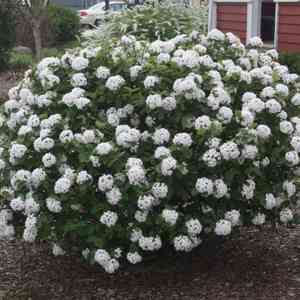
Koreanspice viburnum flourishes with a 10-10-10 balanced plant food.
2
To achieve optimal outcomes, feed Koreanspice viburnum in the early springtime.
3
Excessive fertilization can cause damage. Always adhere to the directions on the fertilizer container.
Understanding Nutrient Requirements for Koreanspice Viburnum
The Significance of Nutrients for Koreanspice Viburnum
Nutrients are vital for the development and health of Koreanspice viburnum. Key elements such as nitrogen, phosphorus, and potassium support everything from vibrant blossoms to strong root systems. Nitrogen promotes lush foliage, phosphorus strengthens roots, and potassium boosts overall plant health and disease resistance.
Recognizing Symptoms of Nutrient Deficiencies
Nutrient shortages can manifest through various indicators in your Koreanspice viburnum. Yellowing leaves may signal a nitrogen deficit, while poor flowering could point to a phosphorus lack. Early detection of these signs allows for prompt action, ensuring your viburnum stays healthy and flourishes.
Selecting the Appropriate Fertilizer for Koreanspice Viburnum
Fertilizer Varieties Suitable for Koreanspice Viburnum
When fertilizing Koreanspice viburnum, choosing the correct fertilizer type is essential. Balanced fertilizers, like 10-10-10, offer an equal ratio of nitrogen, phosphorus, and potassium. Slow-release fertilizers nourish the plant gradually over time, providing a consistent nutrient supply. Specialized shrub fertilizers can also be beneficial, formulated for the specific needs of ornamental plants.
Organic vs. Synthetic Fertilizers: Which is Optimal?
Each fertilizer type offers advantages. Organic fertilizers, such as compost or aged manure, improve soil structure and boost microbial activity. Synthetic fertilizers, conversely, provide precise nutrient compositions readily available to plants. The choice largely depends on your gardening philosophy and soil condition. For a sustainable approach, organic fertilizers are ideal, while synthetic options offer rapid and targeted nutrient boosts.
Timing Fertilization for Koreanspice Viburnum
Optimal Time of Year for Fertilization
Spring is the best time to fertilize Koreanspice viburnum. As the growing season commences, applying fertilizer in early spring supplies the necessary nutrients for new growth and flower development. Avoid fertilizing in late fall or winter, as the plant is not actively growing, and the risk of nutrient runoff increases.
Fertilizing Frequency Throughout the Growing Season
For continuous growth and blooming, consider a second application in early summer. However, avoid frequent fertilization to prevent nutrient accumulation, which can harm your viburnum. A balanced approach ensures your plant receives adequate nourishment without the risk of over-fertilization.
Applying Fertilizer to Koreanspice Viburnum
Step-by-Step Fertilizer Application Method
Correct fertilizer application is vital for maximizing benefits. Here's a step-by-step guide to assist you:Check Soil Moisture: Ensure the soil is slightly damp before application to prevent fertilizer burn.Measure the Fertilizer: Follow the instructions on the fertilizer packaging for the correct amount.Apply Evenly: Distribute the fertilizer around the plant's base, avoiding direct contact with the trunk or stems.Water Thoroughly: Water the plant after fertilizing to help dissolve nutrients and aid absorption.
Precautions and Tips for Effective Fertilization
Here are some additional precautions and tips for efficient fertilization:Avoid fertilizing stressed or drought-affected plants, as this can worsen their condition.Perform a soil test every few years to monitor nutrient levels and adjust fertilization practices accordingly.Mulch around the plant after fertilizing to retain moisture and enhance nutrient uptake.Observe the plant for several weeks post-fertilization to ensure a positive response.



