Optimal Fertilizer for Growing Valerian: What You Need to Know
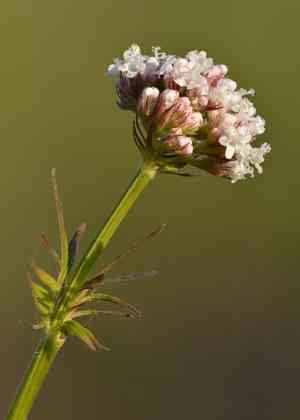
1
Valerian thrives in soil that drains effectively and has a balanced pH level.
2
Begin fertilizing your Valerian in the spring to encourage its active growth period.
3
Refrain from excessive fertilization since Valerian may react poorly to too many nutrients.
Grasping Valerian's Nutritional Requirements
Soil Preferences for Peak Development
Valerian flourishes best in well-drained soil with a neutral pH. This plant favors soils that are neither excessively acidic nor overly alkaline for efficient nutrient uptake. Ensuring proper drainage is vital, as overly moist soil can cause root decay and other problems. Organic matter, such as compost or aged manure, can enhance soil structure and fertility.
Key Nutrients and Their Roles
Valerian needs a blend of nutrients to thrive. The primary ones include nitrogen (N), phosphorus (P), and potassium (K). Nitrogen is crucial for fostering lush, green foliage. Phosphorus aids in root formation and blooming, making it essential for the plant's overall vitality. Potassium balances the plant's internal functions, boosting its resistance to diseases and stress. Trace elements like iron, manganese, and zinc also support various physiological processes.
Selecting the Appropriate Fertilizer for Valerian
Organic vs. Synthetic Fertilizers
When nourishing Valerian, you can choose between organic and synthetic fertilizers. Organic fertilizers, derived from plant or animal sources, improve soil texture and boost microbial activity. Compost, bone meal, and fish emulsion are excellent organic choices. Synthetic fertilizers, conversely, deliver nutrients in precise ratios and are rapidly absorbed by the plant. They are typically labeled with their N-P-K values, such as 10-10-10. Both types have advantages and disadvantages, so the decision rests on your preference and gardening philosophy.
Specific Nutrient Formulations for Valerian
For Valerian, a balanced fertilizer with an equal N-P-K ratio (e.g., 10-10-10) is generally advised. However, during the blooming stage, a higher phosphorus formula (e.g., 5-10-5) can encourage better flowering. Liquid fertilizers can be particularly effective for Valerian as they are quickly absorbed by the roots. Slow-release granular fertilizers also provide consistent nourishment over time, reducing the need for frequent applications.
Optimal Fertilizing Schedule and Methods
Seasonal Fertilizing Guidelines
The ideal time to fertilize Valerian is in the spring, when the plant begins active growth. Start with a balanced fertilizer after the last frost to kickstart the growing season. Depending on the fertilizer type, reapplication may be needed every 4-6 weeks throughout the growing period. Adhering to the manufacturer's instructions is crucial to prevent over-fertilization, which can harm the plant.
Application Techniques for Best Outcomes
When applying fertilizer, spread it evenly around the plant's base, avoiding direct contact with the stem. For liquid fertilizers, mix the solution as directed and water it into the soil. For granular types, scatter the granules on the soil surface and gently work them into the topsoil. Always water your Valerian after fertilizing to help nutrients penetrate the soil and reach the roots.
Monitoring Valerian's Health After Fertilization
Indicators of Adequate Nutrition
After fertilizing, observe your Valerian for signs of good health, such as vibrant green leaves and consistent growth. Healthy plants will also exhibit well-developed flowers and a robust root system. Regularly inspect the leaves for any discoloration or wilting, which could signal nutrient deficiencies or other issues.
Addressing Fertilizer Burn
Excessive fertilization can lead to fertilizer burn, where the plant's leaves turn brown and crispy at the edges. If you notice these symptoms, flush the soil with ample water to remove surplus nutrients. You can also decrease the frequency of fertilizer applications and opt for a diluted solution.



