Optimal Fertilizer for Growing American elm: What You Need to Know
1
American elms flourish optimally with fertilization in the early spring.
2
Opt for fertilizers possessing an even N-P-K balance to achieve the best outcomes for American elms.
3
Indications of insufficient nutrients in American elms encompass foliage discoloration to yellow and inhibited development.
Grasping the Nutritional Requirements of American elm
Crucial Nutrients for American elm Development
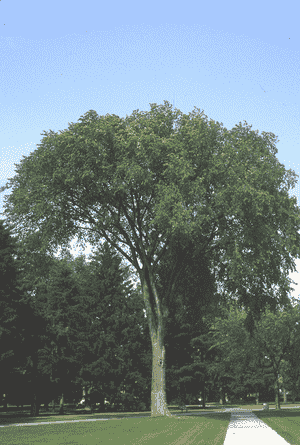
The American elm is a grand tree, recognized for its impressive height and expansive canopy. For peak growth, it demands a range of vital nutrients. Nitrogen (N) is key for strong leaf and stem growth, while phosphorus (P) aids in developing robust roots and blooming. Potassium (K) is essential for overall plant vitality and resilience to stress. Other elements like calcium, magnesium, and iron also play significant roles in keeping the American elm healthy and flourishing.
Indicators of Nutrient Deficiencies in American elm
Recognizing the symptoms of nutrient shortages can help you address them before they impact your tree's well-being. Yellowing foliage often points to a lack of nitrogen. If your American elm exhibits stunted development or poor root formation, it might be low in phosphorus. Insufficient potassium can make the tree more vulnerable to illnesses and pests. Watch for signs such as chlorosis (yellowing of leaf tissue) and necrosis (dead tissue spots) as these clearly signal your tree needs a nutrient boost.
Selecting the Appropriate Fertilizer for American elm
Fertilizer Varieties: Advantages and Disadvantages
The market offers diverse fertilizer types, each with its benefits and drawbacks. Granular fertilizers provide a slow-release option, ensuring nutrients are delivered over time, but they require thorough watering to be effective. Liquid fertilizers offer immediate nutrient availability but necessitate frequent application. Slow-release spikes are convenient but can be pricier. Understanding the pros and cons of each type can help you choose the best option for your American elm.
Organic vs. Synthetic Fertilizers for American elm
When choosing between organic and synthetic fertilizers, it's crucial to weigh both the advantages and potential downsides. Organic fertilizers, derived from natural sources like compost and manure, enhance soil structure and foster beneficial microorganisms. However, they tend to release nutrients more slowly. Synthetic fertilizers, while offering immediate nutrient availability, can lead to nutrient leaching and do not improve soil health. For a balanced approach, consider using a combination of both types for your American elm.
When and How to Fertilize American elm
Optimal Times of Year for Fertilizing American elm
Spring is the ideal season for fertilizing American elms. As the tree awakens from its winter dormancy and begins new growth, it's the perfect moment to supply the necessary nutrients to support vibrant foliage and strong root development. Avoid late-season fertilization as it can encourage new growth that may not harden before winter.
Step-by-Step Guide to Fertilizing an American elm
To effectively fertilize your American elm, follow these steps: 1. Test your soil to determine its current nutrient levels and pH. 2. Choose a balanced fertilizer with an N-P-K ratio suitable for your soil's needs. 3. Apply the fertilizer early in the spring, following the recommended amount based on your tree's size. 4. Spread the fertilizer evenly around the tree, avoiding direct contact with the trunk. 5. Water the area thoroughly to help the fertilizer penetrate the soil. 6. Monitor your tree's progress and adjust the application if necessary.
Monitoring the Health of Your American elm After Fertilization
How to Observe Improvement in American elm Health
After fertilizing your American elm, keep an eye out for signs of improved health. Look for increased leaf size, a deeper green color, and more vigorous growth. Observe the tree's overall vigor and resistance to pests and diseases. Regularly check the soil moisture and nutrient levels to ensure the tree is receiving adequate care.
Adjusting Fertilization Techniques Based on Plant Response
Not all trees will respond the same to fertilization. If you notice that your American elm is not showing signs of improvement, consider re-evaluating your fertilization approach. You might need to adjust the type or amount of fertilizer or address other environmental factors like soil drainage or pest control. Continuous monitoring and adjusting based on your tree's response will ensure it remains healthy and thrives.



