Optimal Fertilizer for Growing Society garlic: What You Need to Know
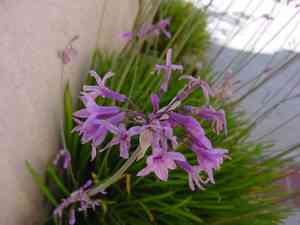
1
Nourish Society garlic at the start of spring to initiate its growth cycle.
2
Society garlic thrives with a balanced 10-10-10 plant food for best development.
3
Refrain from excessive fertilization, as it may cause root damage and hinder development.
Understanding the Nutritional Needs of Society garlic
What Nutrients Does Society garlic Require?
For healthy development, Society garlic needs a balanced intake of vital nutrients. Key among these are nitrogen (N), phosphorus (P), and potassium (K). Nitrogen promotes lush, green leaves crucial for photosynthesis. Phosphorus aids strong root growth and flowering, while potassium boosts overall plant vigor, disease resistance, and drought tolerance.Trace elements like magnesium, calcium, and iron are also necessary for Society garlic. These micronutrients contribute to enzyme function and structural integrity. A lack of these elements can hinder plant health, leading to stunted growth and poor flower production.
Signs of Nutritional Deficiencies in Society garlic
Identifying signs of nutrient deficiencies in Society garlic can help you take prompt corrective measures. For example, yellowing leaves might indicate a nitrogen shortage. If you observe poor flowering or purple-tinged leaves, it could signal a phosphorus deficiency. Potassium deficiency often appears as browning leaf edges and tips.Other indicators to watch for include stunted development, sparse flowering, and chlorosis (leaves turning yellow while veins remain green). By addressing these symptoms quickly, you can restore your Society garlic to robust health.
Choosing the Right Fertilizer for Society garlic
Types of Fertilizers Available for Society garlic
When selecting fertilizers for Society garlic, you have several choices. Complete fertilizers, typically with balanced N-P-K ratios like 10-10-10, are excellent for general growth. Specialized bloom fertilizers with higher phosphorus content can enhance flowering.Liquid fertilizers offer rapid nutrient absorption and are ideal for immediate needs. Granular slow-release fertilizers, conversely, provide a consistent nutrient supply over an extended period. Consider your gardening habits and specific requirements when choosing the right type for your Society garlic.
Organic vs. Synthetic Fertilizers for Society garlic
Both organic and synthetic fertilizers have advantages and disadvantages. Organic fertilizers, such as compost, manure, and bone meal, improve soil structure and increase microbial activity. They release nutrients slowly, ensuring a steady supply. However, they may not deliver nutrients as quickly as needed.Synthetic fertilizers, like balanced N-P-K products, offer precise nutrient ratios and quick release, making them suitable for immediate nutrient demands. The drawback is that they can sometimes cause soil imbalances and reduced microbial activity. Choose based on your gardening philosophy and immediate requirements.
Best Practices for Fertilizing Society garlic
When to Fertilize Society garlic
Society garlic thrives with a proper fertilization schedule. The best time to fertilize is in early spring, just as new growth begins. This timing helps support vigorous growth during the active growing season. You can also provide a mid-summer boost to encourage continuous blooming and strength.Always avoid late fall fertilization, as it can stimulate new growth that won't harden off before winter, making it vulnerable to frost damage.
How to Apply Fertilizer to Society garlic
Proper fertilizer application ensures your Society garlic fully benefits from the nutrients. For granular fertilizers, follow label instructions for the correct amount and spread it evenly around the plant's base, avoiding direct contact with stems. Water thoroughly after application to help nutrients penetrate the soil.Liquid fertilizers should be diluted as per instructions and applied directly to the soil. Foliar feeding – spraying diluted fertilizer onto the leaves – can provide a quick nutrient boost, especially if a deficiency is detected.
Monitoring the Impact of Fertilization on Society garlic
Regularly observe your Society garlic to assess the effects of fertilization. Healthy plants should display robust growth, vibrant green foliage, and abundant blooms. Periodically check soil pH and nutrient levels, adjusting your fertilization regimen as needed.If you notice signs of over-fertilization such as leaf burn, yellowing, or reduced growth, decrease the fertilizer amount and increase watering to help flush excess nutrients from the soil.
Fertilization Tips During Different Growth Stages of Society garlic
Fertilizing During the Blooming Season
During the blooming season, a higher phosphorus fertilizer can promote more flowers. Apply a bloom-boosting fertilizer with an N-P-K ratio such as 5-10-5 to support flower production. Regular feeding every four to six weeks during this period can help maintain vibrant and continuous blooms.Avoid high-nitrogen fertilizers during the bloom stage as they can encourage leaf growth at the expense of flowers.
Post-Bloom Care and Fertilization
After the blooming season, it's vital to provide post-bloom care for your Society garlic. Gradually reduce fertilization towards the end of summer to allow the plant to prepare for dormancy. A final feeding of a balanced fertilizer can help build strength for the next growing season.Decrease watering and allow the soil to dry out slightly, promoting healthy root systems and preventing rot during the dormancy period.



