Optimal Fertilizer for Growing Oyster plant: What You Need to Know
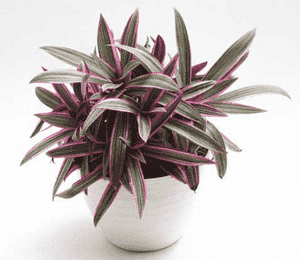
1
Oyster plants require a balanced 10-10-10 plant food during their active growth period.
2
The best time to feed your Oyster plant for optimal outcomes is during the summer months.
3
Watch for foliage turning yellow or inhibited development, which indicate a lack of nutrients.
Understanding the Nutritional Needs of Oyster plant
The Importance of Nitrogen, Phosphorus, and Potassium
Like most plants, Oyster plants depend on three main nutrients: nitrogen (N), phosphorus (P), and potassium (K). Each is vital for the plant's growth and development. Nitrogen promotes lush, green foliage. Phosphorus supports root development and is crucial for flowering and seed production. Potassium enhances overall plant health, boosting disease resistance and stress tolerance. Use a balanced 10-10-10 N-P-K fertilizer to keep your Oyster plant thriving.
Micronutrients That Benefit Oyster plant
While N-P-K are primary for Oyster plant nutrition, micronutrients like iron, manganese, and zinc are equally important. These are needed in smaller amounts but are essential for various plant metabolic processes. For instance, iron is key for chlorophyll synthesis, impacting photosynthesis and energy production. Manganese aids enzyme activation, and zinc contributes to growth hormone creation. A comprehensive fertilizer including these micronutrients will encourage strong growth and vibrant leaves.
Signs of Nutrient Deficiency in Oyster plant
Recognizing nutrient deficiency signs is vital for maintaining your Oyster plant's peak health. Common indicators include yellowing leaves, stunted growth, and general poor vigor. Yellow leaves often signal a nitrogen shortage, while a lack of phosphorus might cause purple or dark leaves, especially on the undersides. Potassium deficiency can appear as browning leaf edges. Watch for these early signs, as they indicate your plant may be missing essential nutrients.
Choosing the Right Fertilizer for Your Oyster plant
Types of Fertilizers Suitable for Oyster plant
Selecting the correct fertilizer for your Oyster plant can make a significant difference. Granular slow-release fertilizers are excellent for consistent, long-term feeding, gradually supplying nutrients. Liquid fertilizers are easier to manage and can be applied more often for a quick nutrient boost. Water-soluble fertilizers offer flexibility and can be integrated into regular watering. Regardless of type, ensure it's balanced and contains essential micronutrients.
Organic vs. Synthetic Fertilizers
Both organic and synthetic fertilizers offer distinct benefits. Organic fertilizers, such as compost or manure, come from natural sources, improving soil health by adding organic matter. They are environmentally friendly and release nutrients slowly, reducing the risk of nutrient burn. In contrast, synthetic fertilizers are chemically formulated for precise, rapid nutrient delivery, useful for quickly correcting deficiencies. However, they can accumulate in soil, potentially harming beneficial soil organisms.
How to Apply Fertilizer Correctly to Oyster plant
Determining the Right Frequency of Application
The frequency of fertilizing your Oyster plant depends on the fertilizer type and its growth cycle. Typically, a balanced slow-release granular fertilizer can be applied every two to three months. If using liquid fertilizer, applying it every two to four weeks during summer is ideal. Consistency is crucial for a steady nutrient supply without over-fertilization.
Best Practices for Fertilizing Oyster plant
When fertilizing your Oyster plant, follow best practices for maximum effectiveness. Always water the plant thoroughly before applying fertilizer to prevent root burn. Distribute fertilizer evenly around the base, ensuring it doesn't touch stems directly, which can cause damage. For granular types, lightly work them into the soil before watering. For liquid, adhere to dilution rates to avoid over-concentration. Summer is prime for fertilization to boost plant health.
Avoiding Common Fertilization Mistakes
Even experienced gardeners can make fertilization errors. Over-fertilizing is a common mistake, leading to nutrient burn and potentially killing your Oyster plant. Poor timing is another issue; fertilizing during dormant periods is ineffective and wasteful. Applying fertilizer too close to the stem can cause injury. Always measure accurately and follow a schedule to avoid these pitfalls. A little extra care ensures your plant's health and longevity.
Monitoring Oyster plant Health After Fertilization
Assessing Foliage and Root Health
After fertilizing, closely monitor your Oyster plant's health. Regularly check foliage for improvement or distress. Healthy leaves should be vibrant and strong, without yellowing or browning edges. Root health is also critical; ensure good soil drainage to prevent root rot. Occasionally, gently lift the plant from its pot to inspect roots; healthy roots are white and firm, not brown and mushy.
When to Expect Visible Growth Improvements
Visible improvements after fertilization can vary, but positive changes typically appear within a few weeks. Enhanced leaf color, new growth, and a fuller appearance indicate the fertilizer is working. Remember, plants need time to absorb and use nutrients effectively, so patience is key. Consistent care and monitoring will ensure your Oyster plant thrives beautifully throughout its growing season.



