Optimal Fertilizer for Growing Small-leaf spiderwort: What You Need to Know
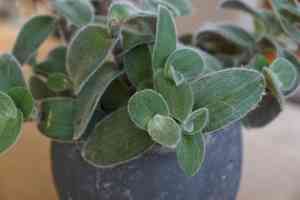
1
The best time to feed Small-leaf spiderwort is during the summer months.
2
Fertilizers containing balanced proportions of nitrogen, phosphorus, and potassium are most suitable.
3
Excessive fertilization can damage the plant, resulting in yellowing foliage and root burn.
Grasping the Nutritional Requirements of Small-leaf spiderwort
Key Nutrients for Small-leaf spiderwort
The Small-leaf spiderwort is a robust and appealing plant that flourishes best with balanced nutrition. For peak development, it requires a blend of vital nutrients: nitrogen (N), phosphorus (P), and potassium (K). Nitrogen promotes lush, green foliage, phosphorus aids strong root growth, and potassium boosts overall plant health and disease resistance.
Indicators of Nutrient Deficiencies
It's vital to spot nutrient deficiency signs early to maintain healthy growth. Yellowing leaves often signal a nitrogen shortage. A lack of phosphorus can lead to stunted development and poor blooming, while potassium deficiency may cause weak stems and reduced disease resistance. Regular checks ensure your plant remains healthy and vibrant.
Impact of Excessive Fertilization on Plant Health
While fertilizing is crucial, over-fertilizing can be harmful. Too many nutrients can cause root burn, mainly from fertilizer salts building up in the soil. This often shows as yellow, wilting leaves and can severely stress the plant. Thus, it's important to find a balance and prevent over-fertilization.
Selecting the Appropriate Fertilizer for Small-leaf spiderwort
Fertilizer Types Suitable for Spiderworts
Choosing the correct fertilizer type can make a big difference. Water-soluble fertilizers are especially effective as they provide immediate nutrients. Slow-release fertilizers are also a good choice, delivering nutrients gradually over time for consistent growth. A balanced fertilizer, with an equal N-P-K ratio (like 10-10-10), is generally recommended for Small-leaf spiderwort.
Organic vs. Synthetic Fertilizers
Both organic and synthetic fertilizers have advantages and disadvantages. Organic fertilizers, from natural sources, improve soil structure and are eco-friendly. However, they might release nutrients more slowly. Synthetic fertilizers, conversely, are designed for precise nutrient delivery and quick absorption, but they can contain chemicals that may accumulate in the soil over time. Your choice depends on your gardening philosophy and immediate needs.
How to Interpret Fertilizer Labels
Understanding fertilizer labels is essential for picking the right product. The N-P-K ratio on the label indicates the percentage of nitrogen, phosphorus, and potassium. For instance, a 10-10-10 fertilizer has 10% of each nutrient. Pay attention to any listed micronutrients, such as magnesium or iron. This knowledge helps you make informed decisions that support your Small-leaf spiderwort's specific needs.
When and How to Fertilize Small-leaf spiderwort
Optimal Fertilization Period
The Small-leaf spiderwort benefits most from fertilization during its peak growing season, which is summer. During this time, the plant's growth rate increases, and it requires more nutrients. For best results, apply fertilizer every two weeks from early June through August.
Step-by-Step Fertilizing Procedure
Fertilizing your Small-leaf spiderwort is simple. First, water the plant thoroughly to ensure the soil is moist. This prevents root burn when fertilizer is applied. Mix the fertilizer according to the label instructions. For water-soluble fertilizers, dissolve in water and apply evenly around the plant's base. Avoid direct contact with leaves to prevent burns. After applying, water the plant again to help nutrients penetrate the soil.
Monitoring Plant Response After Fertilization
After fertilizing, closely observe your plant for any signs of stress or improvement. Healthy new growth, vibrant green leaves, and strong stems indicate a positive response. Conversely, if leaves yellow and the plant appears stressed, reduce the frequency or concentration of fertilization. Consistent monitoring ensures your fertilization efforts yield the best outcomes without harm.
Avoiding Fertilization Issues with Small-leaf spiderwort
Watering Practices Post-Fertilization
Correct watering techniques after fertilizing are crucial for nutrient uptake and preventing burn. Always water the plant before and after applying fertilizer. This helps dilute the fertilizer and ensures even distribution to the roots. Consistent, moderate watering helps maintain ideal soil moisture levels.
Common Fertilizing Errors to Avoid
Steer clear of common mistakes like over-fertilizing, which can cause nutrient burn and stress. Another error is fertilizing dry soil, which can harm roots. Ensure even fertilizer application to prevent nutrient imbalances. Following recommended guidelines and paying attention to your plant's specific needs will help you avoid these pitfalls.
Adapting Fertilization in Various Environments
Different environments necessitate adjustments in fertilization. Indoor Small-leaf spiderworts may need fewer fertilizer applications due to slower growth. Outdoor plants in rich organic soil might require less frequent fertilization compared to those in poor soil. Tailoring your approach based on the plant's environment ensures it receives the precise amount of nutrients.



