Optimal Fertilizer for Growing Windmill palm: What You Need to Know
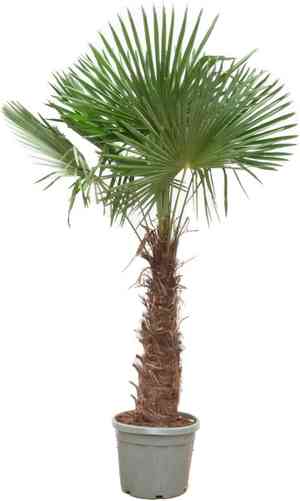
1
Windmill palms flourish optimally with a well-rounded fertilizer containing Nitrogen, Phosphorus, and Potassium.
2
The ideal time to fertilize Windmill palms for strong development is during spring.
3
Prior to fertilization, always test soil pH to guarantee nutrient uptake.
Understanding the Nutritional Needs of Windmill palm
Essential Nutrients for Healthy Growth
Windmill palms require a balanced mix of vital nutrients to flourish. These include Nitrogen (N), which promotes lush green foliage; Phosphorus (P), crucial for root development and blooming; and Potassium (K), which enhances overall plant health and disease resistance. A balanced 10-10-10 (NPK) fertilizer can provide these essential nutrients effectively for the optimal growth of your Windmill palm.
Signs of Nutrient Deficiency in Windmill palm
Being proactive in detecting nutrient deficiencies can save your Windmill palm from severe damage. Look out for yellowing leaves, which may indicate nitrogen deficiency, or stunted growth, which could be a sign of phosphorus shortage. Additionally, if the edges of leaves turn brown, your Windmill palm may need more potassium. Keeping an eye on these signs helps you address deficiencies promptly, ensuring the health of your plant.
Choosing the Right Fertilizer for Your Windmill palm
Types of Fertilizers Suitable for Windmill palm
When it comes to selecting a fertilizer for your Windmill palm, you have various options. A slow-release granular fertilizer is often favored for its convenience, releasing nutrients gradually over time. Liquid fertilizers can also be used for more immediate nutrient availability. Whichever type you choose, ensure it has a balanced NPK ratio to support the plant's overall health and growth.
Organic vs. Chemical Fertilizers: What's Best?
Both organic and chemical fertilizers have their advantages. Organic fertilizers, such as compost or manure, improve soil structure and promote microbial activity, which benefits long-term soil health. Chemical fertilizers provide a quick nutrient boost and are easier to measure and apply. For Windmill palm, a balanced approach, combining both types, can offer immediate benefits while enhancing soil fertility over time.
Step-by-Step Guide to Fertilizing a Windmill palm
When to Fertilize Your Windmill palm
Spring is the optimal season to fertilize your Windmill palm. This is when the plant begins its active growth phase, making it the best time for nutrient uptake. Avoid fertilizing during late fall and winter, as the plant's growth slows down and it requires fewer nutrients.
How Much Fertilizer to Use
The amount of fertilizer your Windmill palm needs depends on its size and age. As a general rule, use about 0.5 kg (1 lb) of a balanced 10-10-10 fertilizer for every 2.5 cm (1 inch) of trunk diameter. Be sure to read the product instructions for specific recommendations and avoid over-fertilizing, which can harm the plant.
Proper Application Techniques
For effective fertilization, evenly distribute the fertilizer around the base of your Windmill palm, extending to the drip line (the area under the outermost leaves). Incorporate the fertilizer lightly into the soil to enhance absorption and water the area thoroughly to activate the nutrients. Reapply according to the fertilizerâs instructions, usually every 2-3 months during the growing season.
Common Fertilization Mistakes to Avoid with Windmill palm
Over-Fertilizing and Its Impacts
Over-fertilizing can lead to nutrient burn, manifesting as brown leaf tips and edges. It can also cause salt build-up in the soil, harming the root system. Always adhere to recommended fertilizer amounts and schedules, and consider conducting a soil test to determine precise nutrient needs.
Ignoring Soil pH and Its Effect on Nutrient Absorption
Soil pH significantly influences nutrient availability. Windmill palms prefer slightly acidic to neutral soil with a pH of 6.0 to 7.5. Regularly test your soil's pH and make necessary adjustments using soil amendments. Maintaining the appropriate pH ensures that your Windmill palm can effectively absorb the nutrients provided by fertilizers.
Monitoring the Health of Your Windmill palm Post-Fertilization
Signs of Successful Fertilization
After fertilization, look for vivid green leaves, new growth at the crown, and overall vitality in your Windmill palm. These are signs that the plant is effectively absorbing the nutrients and thriving. If you notice any adverse effects, such as discolored leaves or stunted growth, reassess your fertilization practices.
Adjusting Fertilization Practices Based on Plant Response
Every Windmill palm is unique and may respond differently to fertilization. Pay close attention to your plantâs growth patterns and adjust the frequency and amount of fertilizer accordingly. If the plant shows signs of nutrient deficiency, consider boosting the fertilization schedule. Conversely, if there are signs of over-fertilization, reduce the quantity or frequency to prevent further damage.



