Optimal Fertilizer for Growing Asiatic jasmine: What You Need to Know
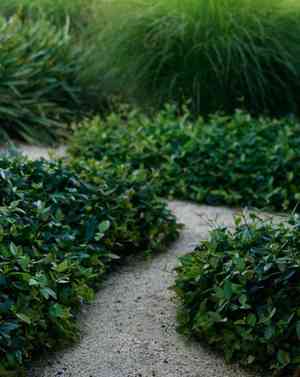
1
Asiatic jasmine flourishes with spring fertilization, promoting abundant and thick foliage.
2
Observe for yellowing leaves, indicating a lack of nutrients in your Asiatic jasmine.
3
Excessive fertilization can damage Asiatic jasmine roots and result in diminished plant vitality.
Understanding Fertilizer Needs of Asiatic jasmine
Essential Nutrients for Asiatic jasmine
Asiatic jasmine, a robust ground cover, greatly benefits from a balanced feeding regimen. Key nutrients for its optimal growth include nitrogen (N), phosphorus (P), and potassium (K). Nitrogen promotes vibrant green foliage; phosphorus aids strong root development and bloom production; and potassium boosts overall plant health and disease resistance. A balanced fertilizer with an N-P-K ratio like 10-10-10 or 14-14-14 provides these vital nutrients in proper amounts.
Signs of Nutrient Deficiency in Asiatic jasmine
Even resilient plants can suffer from nutrient shortages, and Asiatic jasmine is no exception. Common indicators include yellowing or pale leaves, suggesting a nitrogen deficit. Slowed growth or sparse foliage might point to insufficient phosphorus or potassium. Regular observation of your plant for changes in color or growth patterns helps identify and address deficiencies early, ensuring your Asiatic jasmine stays healthy and vibrant.
Choosing the Right Fertilizer
Types of Fertilizers Suitable for Asiatic jasmine
When selecting a fertilizer for Asiatic jasmine, several options are available. Granular fertilizers are easy to apply and release nutrients slowly over time. Liquid fertilizers offer a quick nutrient boost and are often simpler for smaller garden areas. Additionally, slow-release fertilizers, which gradually break down and provide a steady nutrient supply, are excellent for minimizing over-fertilization risks. Regardless of type, ensure it has a balanced N-P-K ratio appropriate for the plant's requirements.
Organic vs. Synthetic Fertilizers
Both organic and synthetic fertilizers have advantages for nourishing Asiatic jasmine. Organic fertilizers, such as compost or aged manure, truly enrich the soil by adding organic matter and fostering microbial activity. They typically release nutrients slower, which can support sustained growth. Synthetic fertilizers, conversely, offer precise nutrient formulations and are generally more concentrated, often yielding quicker results. Environmentally conscious gardeners might prefer organic options, while those seeking immediate impact may lean towards synthetic choices.
How to Apply Fertilizer to Asiatic jasmine
Step-by-Step Fertilization Process
Applying fertilizer to Asiatic jasmine is straightforward but must be done correctly to prevent harm. Follow these steps for optimal outcomes: Measure the precise amount of fertilizer based on package directions and the area being covered. Distribute granular fertilizer evenly over the soil surface around the plants. Sprinkle uniformly to ensure all plants access nutrients. Water the area thoroughly to help the fertilizer penetrate the soil and reach the roots. For liquid fertilizers, mix with water as instructed and apply directly to the soil around the plants. Avoid applying fertilizer on foliage to prevent leaf burn. Monitor plants for several weeks to confirm positive response without signs of nutrient overload.
Best Time to Fertilize Asiatic jasmine
The ideal time to fertilize Asiatic jasmine is during spring. This active growth period allows the plant to fully utilize the provided nutrients, leading to robust and lush foliage. Spring fertilization prepares the plant for the upcoming growing season. If necessary, a light, supplemental feeding can occur in mid-summer. Avoid fertilizing late in the growing season or during dormancy in fall and winter, as this can result in inadequate nutrient uptake and potential waste.
Maintaining a Fertilization Schedule
Frequency of Fertilizing Asiatic jasmine
A consistent feeding schedule is crucial for maintaining the health and vigor of Asiatic jasmine. Ideally, the plant should be fertilized once in spring and, if needed, again in mid-summer. For slow-release fertilizers, a single spring application is often sufficient. Over-fertilizing must be avoided as it can cause nutrient burn, especially on the roots, which can then compromise the plant's overall health.
Adjusting Fertilization Based on Plant Health
Regularly observing your Asiatic jasmine's health can help determine if changes to your feeding routine are necessary. If foliage appears lush and the plant is growing vigorously, your current fertilization schedule is likely effective. Conversely, if you notice signs of nutrient deficiency or stunted growth, re-evaluate your fertilizer type, amount, and application frequency. Sometimes, external factors like soil pH or watering habits can affect nutrient uptake and may require adjustment to support ideal plant health.
Common Mistakes to Avoid When Fertilizing Asiatic jasmine
Over-Fertilization and Its Consequences
Over-fertilization is a frequent error that can lead to devastating results for your Asiatic jasmine. Providing too many nutrients can scorch the roots, causing leaves to brown or yellow, and may result in stunted growth. Symptoms of excessive fertilization also include white fertilizer crusts on the soil surface or an increase in pests drawn to the overly nutrient-rich soil. To prevent this, always adhere to recommended fertilizer amounts and application frequencies.
Ignoring Soil pH and Its Impact on Nutrient Uptake
Soil pH significantly influences how well your Asiatic jasmine can absorb nutrients. Ideally, Asiatic jasmine thrives in slightly acidic to neutral soil, with a pH range of 6.0 to 7.0. If the soil is too alkaline or too acidic, nutrient availability can be severely hampered, leading to deficiencies even when fertilizers are applied. Regular soil testing helps ensure pH levels remain optimal, allowing your plant to effectively take up nutrients.



