Optimal Fertilizer for Growing Tipu tree: What You Need to Know
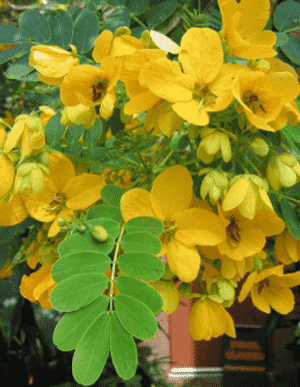
1
Spring is the optimal period for fertilizing a Tipu tree.
2
Various nutrient shortages may present as yellowing, stunted development, or malformed foliage.
3
Well-balanced fertilizers, abundant in nitrogen, phosphorus, and potassium, promote general well-being and vigorous development.
Understanding the Nutritional Requirements of the Tipu tree
Key Nutrients for the Tipu tree
Each plant possesses distinct dietary needs, and the Tipu tree is no different. This lively tree flourishes on a balanced diet of vital nutrients, including nitrogen (N), phosphorus (P), and potassium (K). Nitrogen is crucial for vigorous leaf development and a lush green canopy. Phosphorus aids root growth and blooming, while potassium boosts overall plant vitality, helping the tree resist disease and harsh weather. Beyond these primary elements, trace minerals like iron, magnesium, and zinc play essential roles in various physiological processes within the tree.
Indicators of Nutrient Deficiencies
Detecting nutrient deficiencies early can prevent prolonged health issues for your Tipu tree. Common indicators include yellowing foliage (chlorosis), often signaling a nitrogen shortage. A lack of phosphorus might manifest as stunted development and dark, purplish leaves. Potassium deficiency can cause leaf scorching, where the leaf edges appear burned. Always inspect your tree regularly; consistent observation helps in promptly diagnosing and correcting deficiencies. If you notice any of these signs, modifying the fertilization schedule and ensuring a well-rounded nutrient supply can restore your tree's health.
Selecting the Appropriate Fertilizer for Your Tipu tree
Fertilizer Varieties Suitable for a Tipu tree
Choosing the correct fertilizer is essential for meeting your Tipu tree's nutritional demands. A balanced 10-10-10 (N-P-K) fertilizer is frequently ideal, supplying equal proportions of nitrogen, phosphorus, and potassium. For those preferring organic alternatives, compost, manure, and bone meal are excellent choices. These not only provide vital nutrients but also enhance soil structure and microbial activity. Conversely, slow-release synthetic fertilizers offer a gradual release of nutrients over time, which reduces application frequency and the risk of nutrient leaching.
Organic vs. Synthetic Fertilizers
When deciding between organic and synthetic fertilizers, consider your overall gardening objectives. Organic fertilizers, such as compost and manure, enrich the soil with organic matter and improve its structure, promoting better water retention and root penetration. They release nutrients slowly, ensuring a steady supply to the tree. Synthetic fertilizers are designed for precise nutrient delivery and are often more immediately effective due to their rapid-release properties. However, they can lead to nutrient runoff if over-applied. Combining both types can offer the advantages of quick nutrient availability and long-term soil health.
When and How to Fertilize Your Tipu tree
Optimal Time of Year for Fertilization
For peak growth, fertilize your Tipu tree in spring, just as new growth commences. This timing allows the tree to utilize the nutrients throughout its active growing period. Fertilizing at this time promotes lush foliage and strong root development, preparing the tree for a vigorous and healthy year. Avoid fertilizing in late autumn or winter, as the tree enters dormancy and will not effectively absorb the nutrients.
Fertilization Methods and Application Advice
Applying fertilizer correctly ensures it benefits your Tipu tree without causing harm. For granular fertilizers, spread them uniformly around the tree's drip lineâthe area beneath the outer edge of the branches. Then, water thoroughly to help the nutrients penetrate the soil. If using liquid fertilizers, dilute them according to instructions and apply directly to the soil. Be wary of over-fertilization, as this can cause nutrient burn and root damage. A slow-release fertilizer can be a good option to minimize the risk of over-fertilizing and provide a sustained nutrient supply.
Monitoring the Impact of Fertilization on Tipu tree
Observing Growth and Health Improvements
After fertilizing, closely observe your Tipu tree. Healthy, vibrant green leaves, accelerated growth rates, and a robust overall appearance indicate that the tree is benefiting from the fertilization. Look for new foliage and note any enhancements in the color and size of the leaves. Regularly check soil moisture and nutrient levels to ensure the tree continues to thrive.
Adjusting Fertilization Practices Based on Observations
Based on your observations, you may need to modify your fertilization practices. If the tree exhibits signs of over-fertilization, such as leaf burn or excessive growth, reduce the frequency or amount of fertilizer applied. Conversely, if growth is stagnant or showing deficiency symptoms, consider increasing the nutrient supply. Soil testing can provide valuable insights into nutrient levels and help you make informed adjustments to meet your Tipu tree's specific needs.



