Optimal Fertilizer for Growing Lemon thyme: What You Need to Know
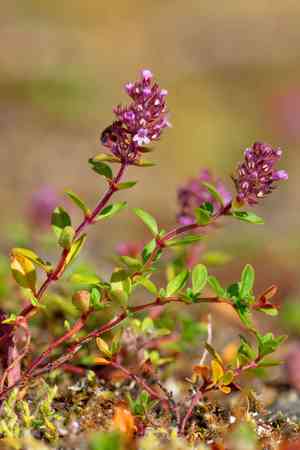
1
Nourish your Lemon thyme in early spring to align with its period of vigorous development.
2
The ideal NPK balance for Lemon thyme is 5-10-10, promoting even development without over-producing leaves.
3
Always hydrate the plant completely before and after feeding it to avoid damaging the roots.
Understanding Lemon thyme's Nutrient Requirements
Essential Nutrients for Lemon thyme
Like all plants, Lemon thyme (Thymus pulegioides) needs specific nutrients to flourish. These vital elements include nitrogen (N), phosphorus (P), and potassium (K), collectively known as NPK. Nitrogen supports foliage development, phosphorus aids root growth, and potassium boosts overall plant vitality. Balanced nutrition ensures your Lemon thyme stays strong, fragrant, and flavorful. While these are primary, micronutrients like magnesium, calcium, and iron also play crucial roles in its health.
Optimal Fertilizing Schedule for Lemon thyme
Fertilizing frequency is key to preventing nutrient excess, which can hinder growth or harm the plant. For Lemon thyme, it's generally advised to fertilize once at the start of the growing season in early spring. This timing aligns with its natural growth cycle, providing necessary nutrients for optimal development. Excessive fertilization can lead to lush leaves but may reduce the essential oils responsible for its distinct lemon scent and taste.
Selecting the Appropriate Fertilizer for Lemon thyme
Organic Versus Synthetic Fertilizers
When fertilizing Lemon thyme, you can choose between organic and synthetic options. Organic fertilizers, such as compost or aged manure, offer a slow release of nutrients, improve soil structure, and introduce beneficial microbes. Conversely, synthetic fertilizers, commercially produced, provide precise nutrient ratios and act more quickly. However, they can cause nutrient runoff and may not enhance soil health as effectively as organic choices. Your gardening philosophy and the plant's specific needs will guide your decision.
Recommended NPK Ratio for Lemon thyme
The ideal NPK ratio for Lemon thyme is typically 5-10-10. This indicates the fertilizer contains 5% nitrogen, 10% phosphorus, and 10% potassium. This ratio promotes balanced growth and prevents the plant from becoming overly leafy at the expense of its aromatic qualities. It's crucial to avoid high-nitrogen fertilizers, as they can encourage excessive foliage and decrease the plant's essential oil content, which is its primary appeal.
Step-by-Step Guide to Fertilizing Lemon thyme
Preparing the Soil for Nutrient Application
Before applying fertilizer, proper soil preparation is essential. Begin by loosening the soil around your Lemon thyme, ensuring it's free of weeds and debris. This preparation allows the fertilizer to penetrate more effectively and reach the roots. If the soil is very compacted, consider adding organic matter, like compost, to improve aeration and drainage. Good soil structure aids nutrient uptake and fosters healthy root development.
Correct Fertilizer Application
When applying fertilizer, always follow the manufacturer's instructions on the packaging. Sprinkle the recommended amount around the base of the Lemon thyme, being careful to avoid direct contact with the leaves to prevent burning. For organic fertilizers, you can gently work them into the topsoil layer. It's also good practice to water the plant thoroughly before and after application to help distribute nutrients evenly and prevent root burn.
Post-Fertilization Care
Aftercare following fertilization is as crucial as the application itself. Observe your Lemon thyme for any signs of nutrient imbalance, such as yellowing leaves or stunted growth. Water the plant regularly, especially during dry periods, to ensure consistent nutrient absorption. Mulching around the plant can also help retain soil moisture and keep roots cool, further supporting the plant's overall health and growth.
Monitoring Lemon thyme's Health After Fertilization
Indicators of Adequate Nutrition
A thriving Lemon thyme plant will display several key signs of sufficient nutrition. Look for vibrant green foliage, consistent growth, and a strong, pleasant fragrance. If the plant produces new shoots and maintains a dense, bushy form, it indicates it's receiving the correct amount of nutrients.
Identifying Over-fertilization
Excessive fertilization can be as harmful as insufficient fertilization. Symptoms of over-fertilization include browning leaf edges, wilting, and unusually rapid growth with weak stems. If you observe these signs, reduce fertilization frequency and consider diluting the fertilizer with more water. Flushing the soil with ample water can also help remove excess nutrients, protecting the plant from further stress.



