Optimal Fertilizer for Growing Common tansy: What You Need to Know
1
Common tansy flourishes in soil that drains effectively and has average nutrient content; excessive fertilization can be detrimental.
2
The optimal period to commence fertilizing your Common tansy is in spring, coinciding with the plant's initiation of its vigorous growth stage.
3
A balanced 10-10-10 NPK fertilizer is suitable for Common tansy, ensuring it receives an appropriate blend of nitrogen, phosphorus, and potassium.
Grasping Common Tansy's Fertilization Requirements
Nutrient's Function in Common Tansy Development
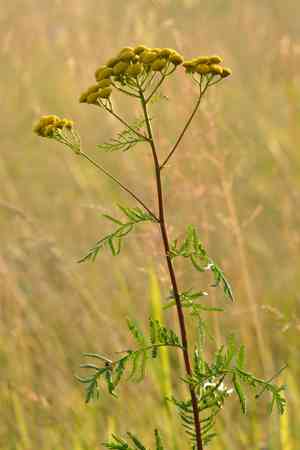
Nutrients are vital for the overall health and vigor of Common tansy. Each essential nutrient serves a specific purpose – nitrogen promotes leaf expansion, phosphorus aids root formation, and potassium boosts general plant well-being. When properly fertilized, Common tansy exhibits abundant, green foliage and a profusion of vivid yellow blossoms, making your garden a striking visual delight.
Indicators Your Common Tansy Needs Feeding
How can you tell if your Common tansy requires a nutrient boost? Look for signs such as yellowing leaves, stunted growth, and fewer flowers. These symptoms suggest the soil lacks essential nutrients. Conducting a soil analysis can offer further insights, ensuring you customize your fertilization appropriately.
Selecting the Appropriate Fertilizer for Common Tansy
Organic vs. Synthetic Fertilizers: Which is Superior?
Deciding between organic and synthetic fertilizers can be difficult. Organic options, like compost and manure, enhance soil health over time but release nutrients slowly. Synthetic fertilizers provide rapid results but may diminish soil quality with extended use. For Common tansy, a combination of both can be effective: utilize organic fertilizers for long-term soil vitality and synthetic types for an immediate nutrient surge.
Recommended NPK Ratio for Common Tansy
When fertilizing Common tansy, a balanced 10-10-10 NPK fertilizer is optimal. This ratio delivers an equal blend of nitrogen, phosphorus, and potassium, addressing the plant's diverse requirements. Alternatively, a slightly higher nitrogen fertilizer such as 15-10-10 can be employed during the initial growth phase to encourage robust, leafy development.
Frequency of Fertilizing Common Tansy
Fertilization Schedule Throughout the Growing Period
It's best to begin fertilizing your Common tansy in spring when new growth commences. Apply a balanced fertilizer every 4-6 weeks during the entire growing season. Be careful not to over-fertilize; too much can result in lush foliage but fewer flowers, or even root damage.
Adjusting Fertilization Based on Plant Health and Soil Test Outcomes
Modifying your fertilization regimen based on observation and soil test results is crucial. If your Common tansy shows optimal health with rich green leaves and abundant blooms, maintain your current schedule. If not, a soil test can pinpoint which nutrients are deficient, allowing for targeted supplementation.
Applying Fertilizer to Common Tansy
Step-by-Step Guide for Fertilizing Common Tansy
Fertilizing your Common tansy correctly ensures it thrives and brightens your garden. Hereâs a step-by-step guide:Test your soil to determine nutrient levels and pH balance.Choose a balanced 10-10-10 NPK fertilizer.Measure the appropriate amount as recommended on the fertilizer package.Sprinkle the fertilizer evenly around the base of the plant, staying clear of direct contact with stems.Lightly water the soil to help the fertilizer dissolve and reach the roots.Repeat every 4-6 weeks during the growing season, monitoring plant health regularly.
Common Errors to Avoid While Fertilizing
Even experienced gardeners can make mistakes while fertilizing. Avoid these common pitfalls to ensure your Common tansy flourishes:Over-fertilizing, which can burn roots and inhibit flowering.Applying fertilizer too close to the plant stem, risking stem burn.Using the wrong NPK ratio, leading to imbalanced growth.Neglecting to water after fertilizing, preventing nutrients from reaching the roots effectively.Ignoring soil test results, leading to improper nutrient management.



