Optimal Fertilizer for Growing Feverfew: What You Need to Know
1
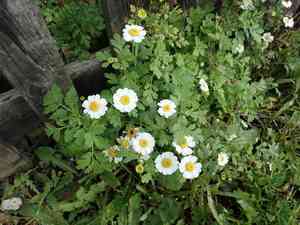
Feverfew flourishes optimally with fertilization in springtime, coinciding with its inherent growth phase.
2
Excessive fertilization of Feverfew may result in nutrient toxicity, evidenced by scorched leaf margins.
3
Natural fertilizers, like compost or well-rotted manure, enhance soil quality progressively, aiding Feverfew.
Grasping Feverfew's Nutritional Requirements
The Significance of Adequate Nourishment
Just like any flora, Feverfew demands a balanced nutrient intake to flourish. Proper feeding ensures vigorous development, vibrant foliage, and abundant blooms. Insufficient nourishment can hinder growth and increase disease susceptibility. By supplying the correct nutrients, you optimize your Feverfew's potential in your garden.
Key Nutrients Vital for Feverfew
Feverfew requires a blend of macro and micronutrients for peak health. Essential macronutrients include nitrogen (N), phosphorus (P), and potassium (K). Nitrogen promotes leaf development, phosphorus is crucial for root and flower formation, and potassium enhances overall plant vitality. Micronutrients such as magnesium, calcium, and iron, though needed in smaller quantities, are also indispensable for Feverfew.
Indicators of Nutrient Deficiencies in Feverfew
Early detection of nutrient deficiencies can prevent severe health issues for your Feverfew. Common signs include yellowing leaves, signaling a nitrogen shortage, and purple stems or foliage, which might suggest a phosphorus deficit. Potassium deficiency often manifests as browning leaf tips. Observing these indicators helps you address shortfalls promptly.
Optimal Fertilization Practices for Feverfew
Selecting the Appropriate Fertilizer Type
Choosing the correct fertilizer for Feverfew is crucial. A balanced, general-purpose fertilizer with an equal N-P-K ratio (e.g., 10-10-10) works effectively. Alternatively, a fertilizer with slightly higher phosphorus content can encourage blooming. Organic choices like compost or well-rotted manure are also excellent, improving soil health long-term.
Fertilization Frequency for Feverfew
The ideal time to fertilize Feverfew is in the spring. This timing supports the plant as it enters its main growth phase. Typically, fertilizing once in early spring and again in mid-summer should suffice. Avoid excessive fertilization, as this can cause nutrient imbalances and potentially harm your plant.
Applying Fertilizer: Methods and Advice
When applying fertilizer, ensure even distribution around the plant's base but avoid direct contact with stems to prevent burning. Water the soil after fertilizing to help nutrients reach the roots. For liquid fertilizers, adhere to package instructions for dilution rates. Regularly check and adjust soil pH if needed to ensure nutrient availability.
Common Errors in Fertilizing Feverfew
Excessive Fertilization: Recognition and Prevention
Over-fertilization can be as detrimental as under-fertilization. Symptoms include yellowing leaves with brown edges, stunted development, and a white crust on the soil surface. To prevent over-fertilization, always adhere to recommended application rates and observe your plant's reaction after each feeding.
Misjudging Fertilizer Varieties and Impacts
Misunderstanding Feverfew's specific requirements can lead to ineffective fertilization. For instance, using a high-nitrogen fertilizer might promote leafy growth at the expense of flowers. Always select a fertilizer that aligns with your plant's growth stage and needs, and don't be swayed by general-purpose fertilizers that may not offer the right nutrient balance.
Environmentally Friendly Fertilizing Options for Feverfew
Organic Fertilizers: Types and Advantages
Organic fertilizers such as compost, aged manure, and fish emulsion are excellent for Feverfew. These options release nutrients gradually, enriching soil structure and fostering microbial activity. Additionally, they minimize the risk of nutrient runoff and accumulation, maintaining a balanced and healthy garden ecosystem.
DIY Fertilizer Recipes
Crafting your own fertilizer can be both eco-conscious and economical. Simple recipes include compost tea, made by steeping compost in water, or a banana peel fertilizer rich in potassium. Crushed eggshells provide a good calcium boost when mixed into the soil. These natural fertilizers support sustainable gardening practices and contribute to a healthier garden environment.



